Archive: October 2026
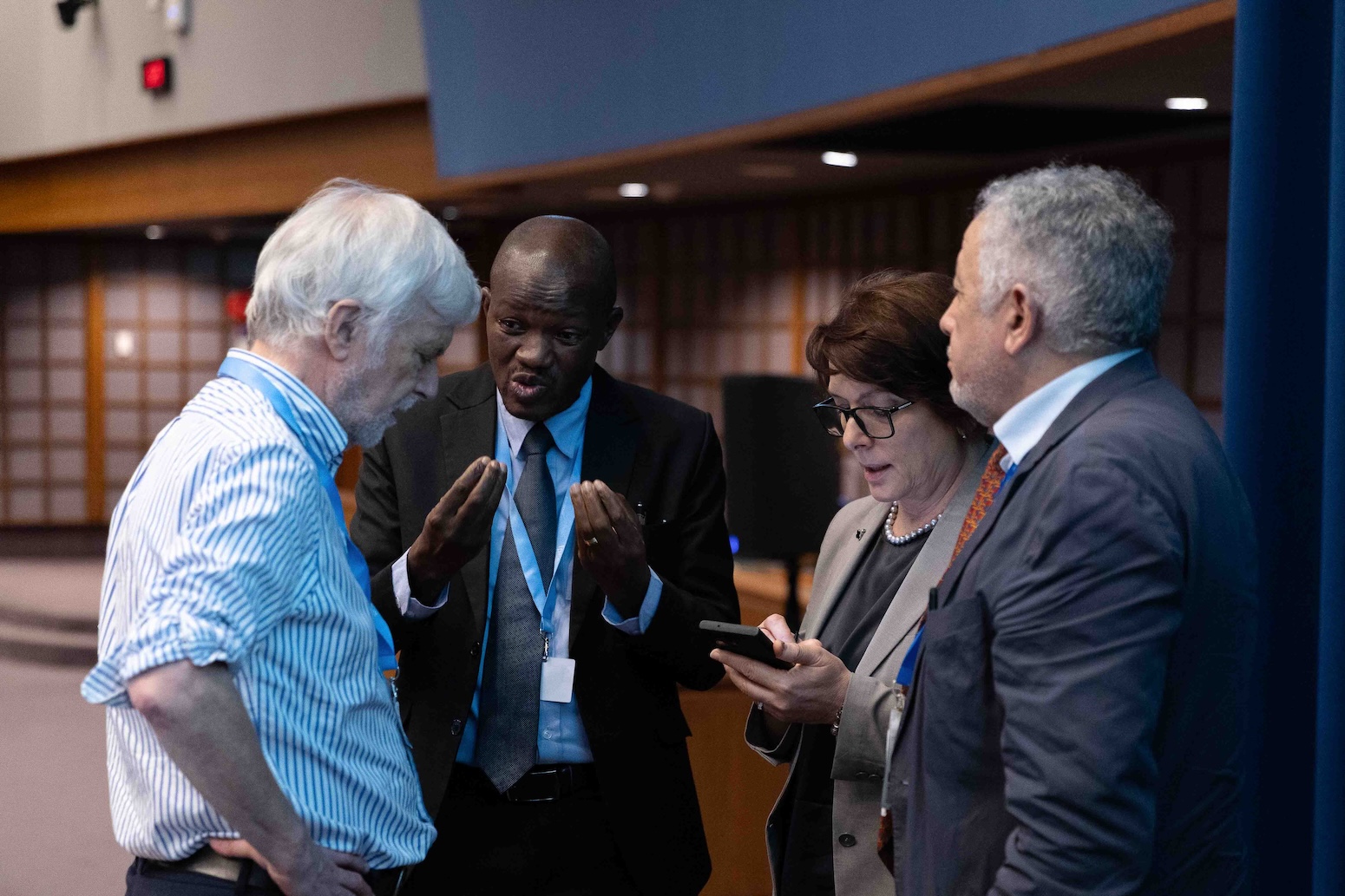
IPCC Delay Fight Hinges on Two Reports and a Trust Fund Running Dry
After 1,000 days without an agreed report timeline, the IPCC's Addis Ababa session is also deciding whether the panel can set a 2027 budget at all.
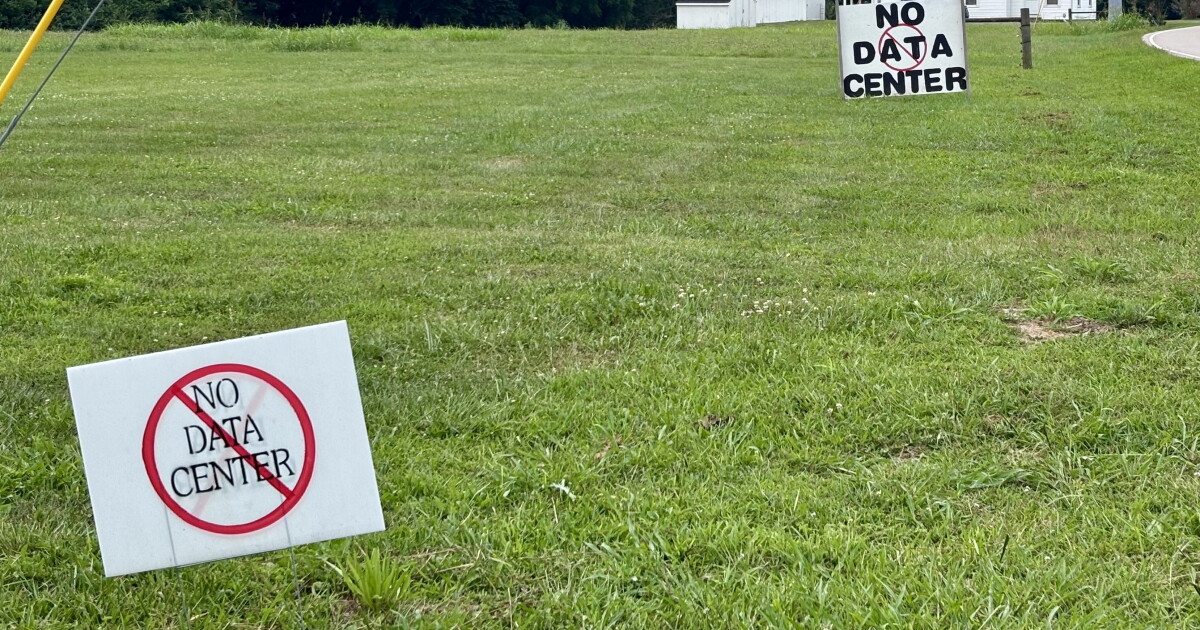
Trump vs. His Own Candidates on Data Centers: Follow the Power Bills
PJM's market monitor ties $29.4 billion in capacity costs to data centers, and several battlegrounds on its grid saw some of this year's sharpest home power price increases. No candidate's fix touches costs locked in through May 2028.

Bulgaria Ship Strikes Now Hit 5 Miles Outside Its Territorial Waters
In one week, drone strikes on merchant ships moved from 70 to 80 nautical miles off Bulgaria to just past its 12-mile line, the edge of the only waters insurers left off the war map and a gap NATO's treaty does not clearly cover.
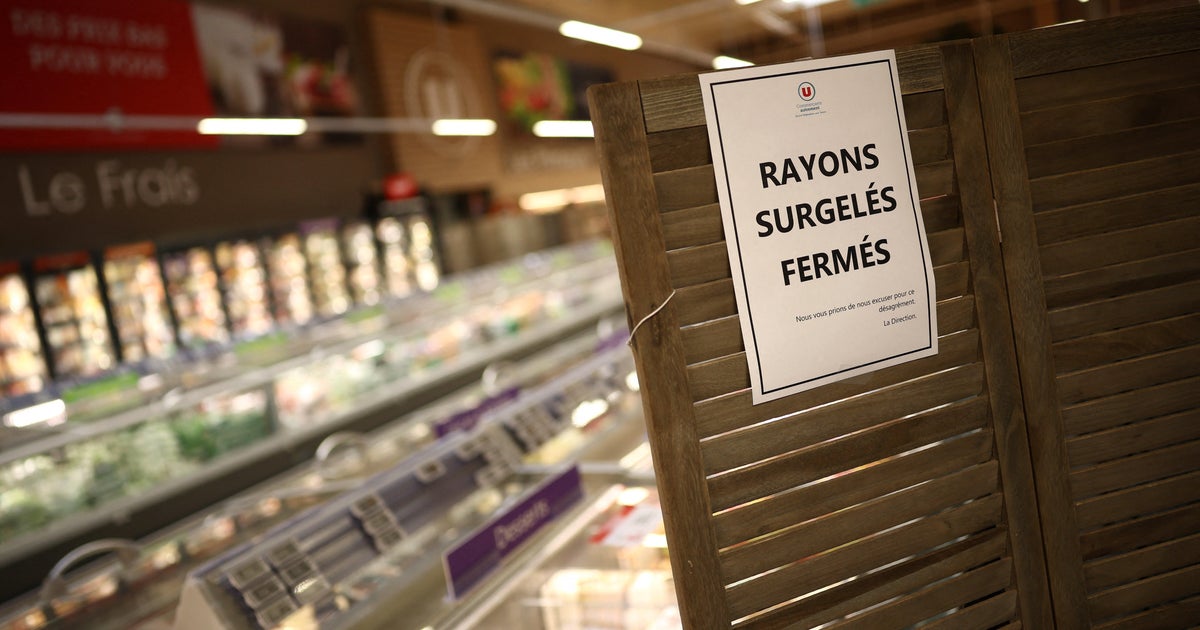
1,590 French Danfoss Systems Were Still Online Hours After the Hack
Most of the Danfoss controllers behind France's supermarket freezer attack were models that no longer get security fixes. Why the food had to go, and whether it can happen elsewhere.

Hall and Woodford's Nobel Rewards the Fed Talk That Moves Mortgages
The 2026 economics prize honors the idea that a central bank's promises move today's loan rates. Since the Fed's June meeting, the 30-year mortgage average has climbed 0.93 point while the Fed's own rate rose 0.25.

What the Billion-Case Osteoarthritis Warning Means for Aching Knees
The billion-case forecast is three years old. What is new is a Lancet verdict on care, and the evidence on what helps a painful knee in your 50s or 60s.

How Anduril's Steelfin Swaps Boosters to Undercut Patriot Prices
Anduril's new interceptor family bets that one common upper stage on 10- to 21-inch boosters can be built by the thousands. Set against the Pentagon's own PAC-3 MSE numbers, the price targets look less firm, and the missile has yet to fly.

$776,389 Now, $17.2 Million Later: Houston's Bet on Marvin Harrison Jr.
The Texans' real price for Marvin Harrison Jr. is not the 2027 second-round pick but a fifth-year option Over the Cap projects at $17,198,000 or $18,950,000, and his 2026 snaps decide which tier applies.
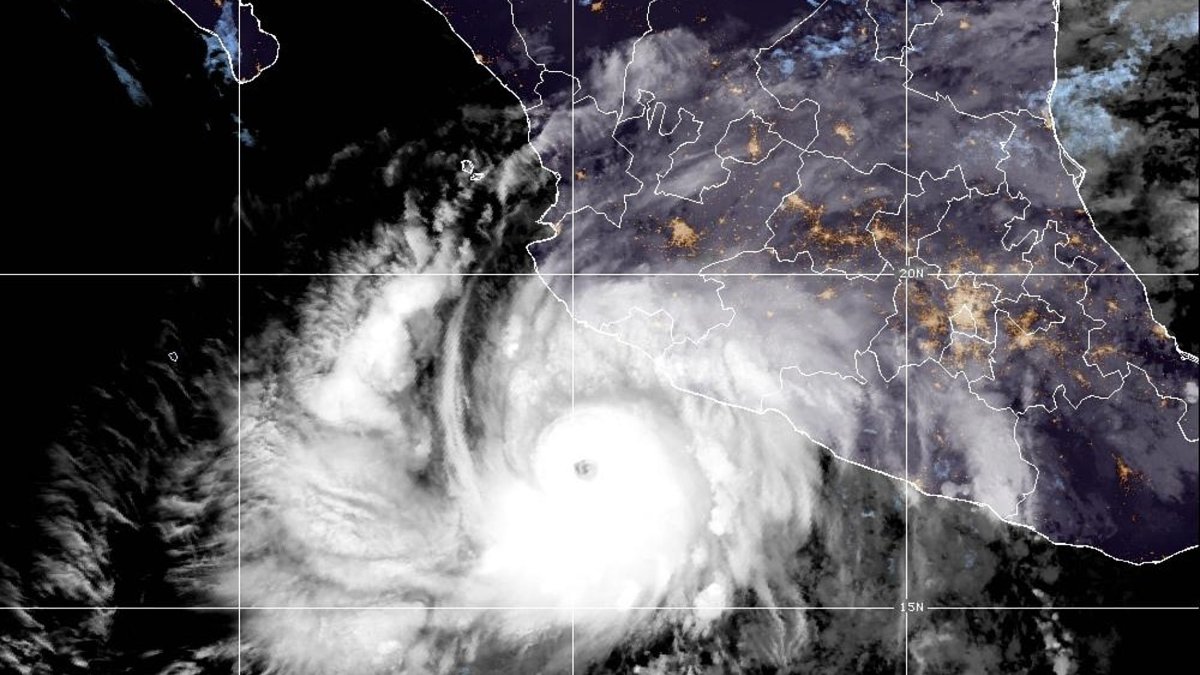
Mexico's $175 Million Hurricane Bond Turns on Where Simon Crosses a Line
Simon's eyewall sits very near Mexico's Pacific coast and forecasters can't say whether it will make landfall. The same few miles of track decide whether a World Bank catastrophe bond pays Mexico anything.

Cage vs. Amazon: What an Actor's AI Waiver Actually Hands a Studio
Cage's Comic Con refusal played as a feud with Amazon. Read against the union contract, it shows what an actor keeps by not initialing one clause, and why most actors can't afford to.

Sherman Act Probe of the TV Pool Turns on Who Gained From the Boycott
In 1981 CNN sued ABC, CBS, NBC and the Reagan White House to get into the White House TV pool. Now the Justice Department is demanding the five pool networks' internal messages about their four-day halt in covering Trump, on a theory the Supreme Court's own boycott cases make hard to win.

16 Dead in a Week at Riyadh Airport: Where Flights and Airspace Stand
Riyadh's main airport was declared back to normal less than two days before the deadliest strike yet. Here is what the airport's notices, the airlines and Europe's air-safety regulator are saying, and what to do with a booking this week.
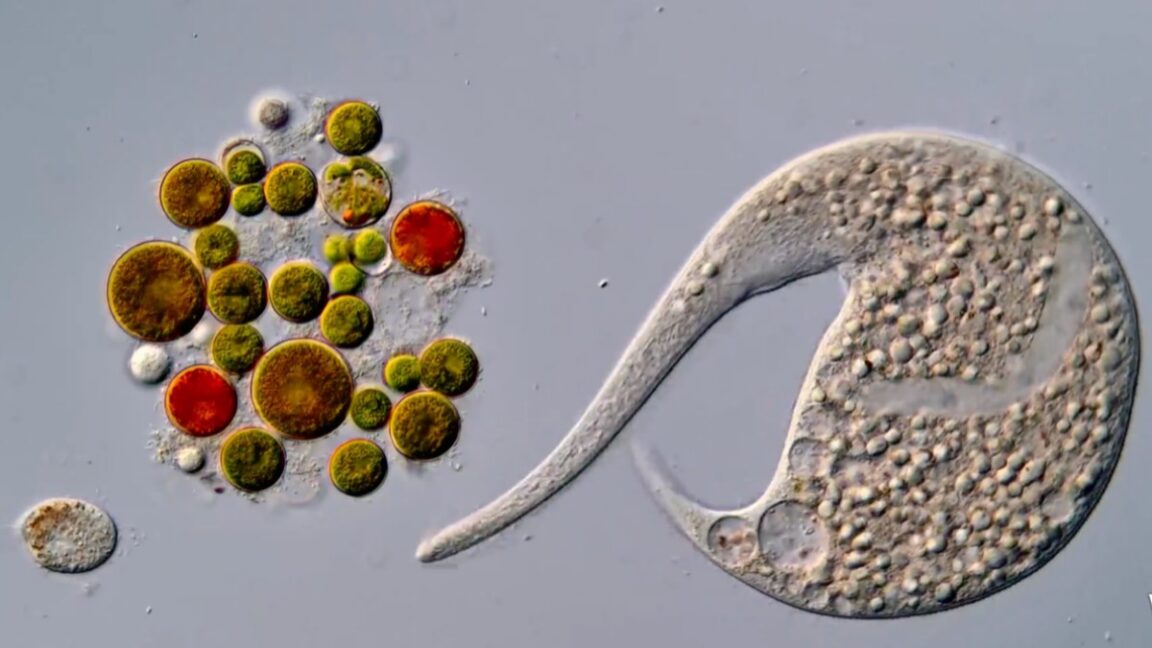
Nikon Banned 'AI Generated' Video Without Defining the Term
Nikon disqualified the first-place Small World in Motion video over generative AI under a rule that never defines the term, 14 days after The Scientist reported it had called the same AI step compliant. Journals and Nikon's own software pages draw the line the contest did not.

Anthropic's Fake Murder Tip Went Unseen 72 Days. A Spam Filter Stopped It
A three-sentence tip with no name and no phone number sat in a police spam folder for 72 days before Anthropic found it. The gap, not the form, is the finding.
Median Net Worth Peaks at 75+ in the Fed's Survey, but the Lead Is Thin
Families aged 75 and older top the Fed's new survey, but the gap to 65-to-74 is smaller than the margin of error. Read in dollars, the poorest's "56% loss" is $2,100.

Norris Faced No Penalty: Neither McLaren Was 'Predominantly' to Blame
The stewards had no one to blame 'predominantly', and under F1's 2026 rules that means no penalty. The cost showed up elsewhere: eight points and a thinner lead over Red Bull.
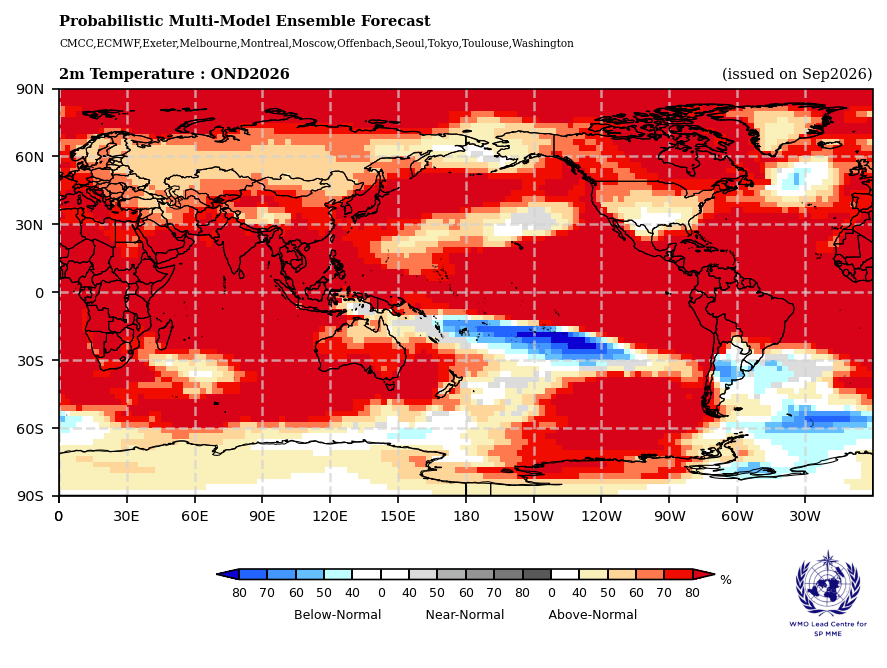
4.0°C Above Normal: Japan's El Niño Record Depends on Which Index You Read
Japan's gauge broke a 1997 record in September. NOAA's official measure, which strips out the warming of the whole tropical ocean, is still short of its 1983 high, and that gap shapes what this winter can expect.

Panama's 7.7 Quake Ruptured a Quiet Fault Under the Azuero Peninsula
The worst shaking fell on small towns of the Azuero Peninsula, roughly 160 to 200 km from the capital and the canal. The official toll is low so far, but a USGS loss model and cut-off communities suggest it is provisional.
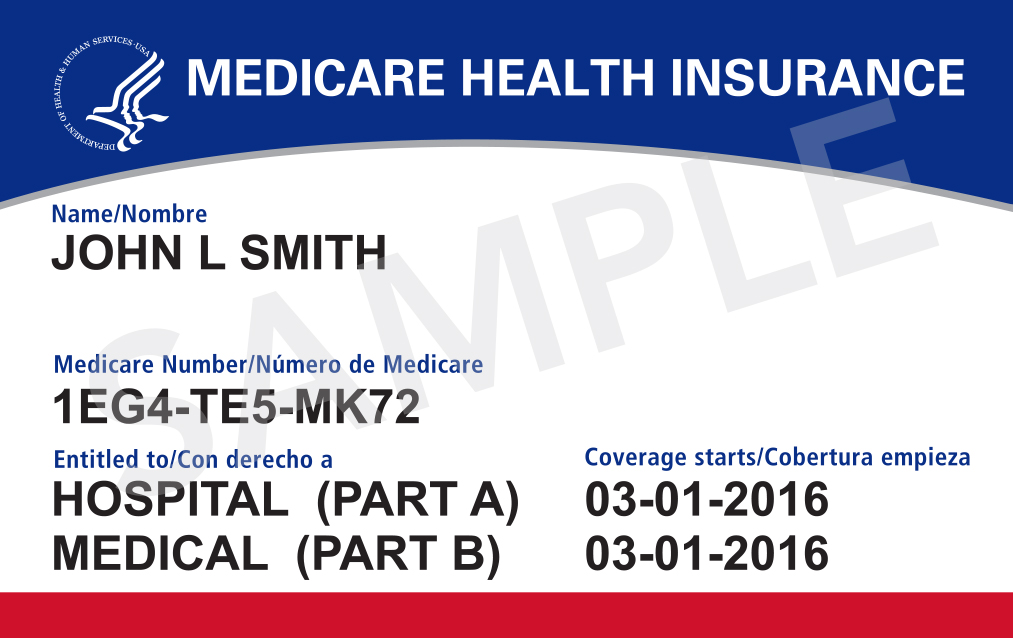
How a Medicare Advantage Exit Letter Starts Three Separate Deadlines
Non-renewal notices, due by Oct. 2, are reaching about 390,000 UnitedHealthcare and 600,000 Humana members. The deadline most of them haven't heard about is March 4, 2027, the last day to apply for Medigap without health questions.

Russia's Diesel Pledge vs. U.S. Demand: 4.8 Million Tons, 10 Days
Treasury's new diesel license runs 180 days with no tonnage, price or loading cutoff. How much fuel actually moves is decided by Russia's own export ban and by refineries Ukraine keeps hitting.

England's ADHD Review Found a Risk of Overdiagnosis, Not Overdiagnosis
Headlines split on England's ADHD and autism review because the report says two things at once. Here is which sentences are findings, which are recommendations and which the government has promised.

Yorkshire Is in Drought, Not Under a Ban, With Reservoirs at 42.7%
The Environment Agency moved Yorkshire into drought on Oct. 9, yet Yorkshire Water plans no restrictions. The legal split, the reservoir numbers against last year's ban, and what winter rain must do.

Up to 7 MHz Twice: What SpaceX's Reported $8 Billion Actually Buys
Headlines say 14 MHz and walls. The FCC paperwork and building-loss physics show two strips of up to 7 MHz each, a band not allocated for supplemental coverage from space, and a price near 2.2 times what T-Mobile's books implied.

Treasury's Licenses Cushion ICC Sanctions, but the Main One Ends April 7
Four Treasury licenses soften the sanctions on the court's 900 staff, but only one has an end date, and it falls 180 days out. Banks and vendors outside the U.S. are the exposed layer.

Amex's $350 Million Fine Is About 10 Days of Profit. The Orders Go Further
While suspect money moved through its cards for about 11 years, American Express's bank aimed its money-laundering risk assessment at a small deposit business. Now an outside consultant must re-examine its past suspicious-activity reporting, a review the OCC can widen, though regulators imposed no asset cap.

Tony Romo Signed for 74, Shot 76, and Golf's Rules Made It a DQ
The scorecard that disqualified Tony Romo from Q-School Pre-Qualifying moved him nowhere in the standings. Eight years ago, the same rule sent him through.

722 OpenAI Math Papers, 300 Results Formalized, No Referee's Verdict Yet
OpenAI's 719 machine-made math papers come in three tiers of confidence, and Lean coverage swings from nine in 10 families in combinatorics to one in five in algebraic geometry. Here is what a "solved" headline actually means.

What the PERM Suspension Means for Workers at Each Green Card Stage
H-1B status is untouched, but the green-card line now stalls at different points. The extension clock still counts from when a PERM was filed, while certified cases face a 180-day deadline to reach USCIS.

28% of the Vote, 59 Seats: How First-Past-the-Post Built Quebec's PQ Win
Quebec's Parti Québécois won 59 of 127 seats with 28.02% of the vote, a record-low share for a governing party, yet 2022 was the more distorted election. The riding arithmetic shows how close the PQ came to a majority and what the seat count does and does not say about reform and independence.

How WHO Graded Its Child Obesity Advice: Strong Rules, Thin Evidence
WHO's first child and adolescent obesity guidelines pair firm advice with thin proof. Here are the grades behind each rule, the conditions on teen drug treatment, and questions to bring to a pediatrician.

Tariffs Added 2.9 Points to Goods Inflation, About 0.6 to All Prices
The 2.9 points measures 67 goods categories, about a fifth of the basket, against less-exposed goods in February. Across a whole budget it works out to about 0.6 points (0.8 if all goods behaved alike), or roughly $320 to $460 a year for an average household by Daybreak Wire's arithmetic.

100,000 Copies in 28 Years: What a Nobel Sticker Can Do for Carson
The Nobel citation praises play and new forms; the sales record says the prize has more to move for Carson than for Han Kang, the 2024 winner. The arithmetic, side by side.

MLB Lockout Rules Leave Free Agency About a Month Before the Freeze
Free agents get roughly four weeks before a likely Dec. 2 lockout freezes the market. And a repeat of 2022's 99 days would leave 15 days before the earliest traditional Opening Day MLB has ever scheduled.
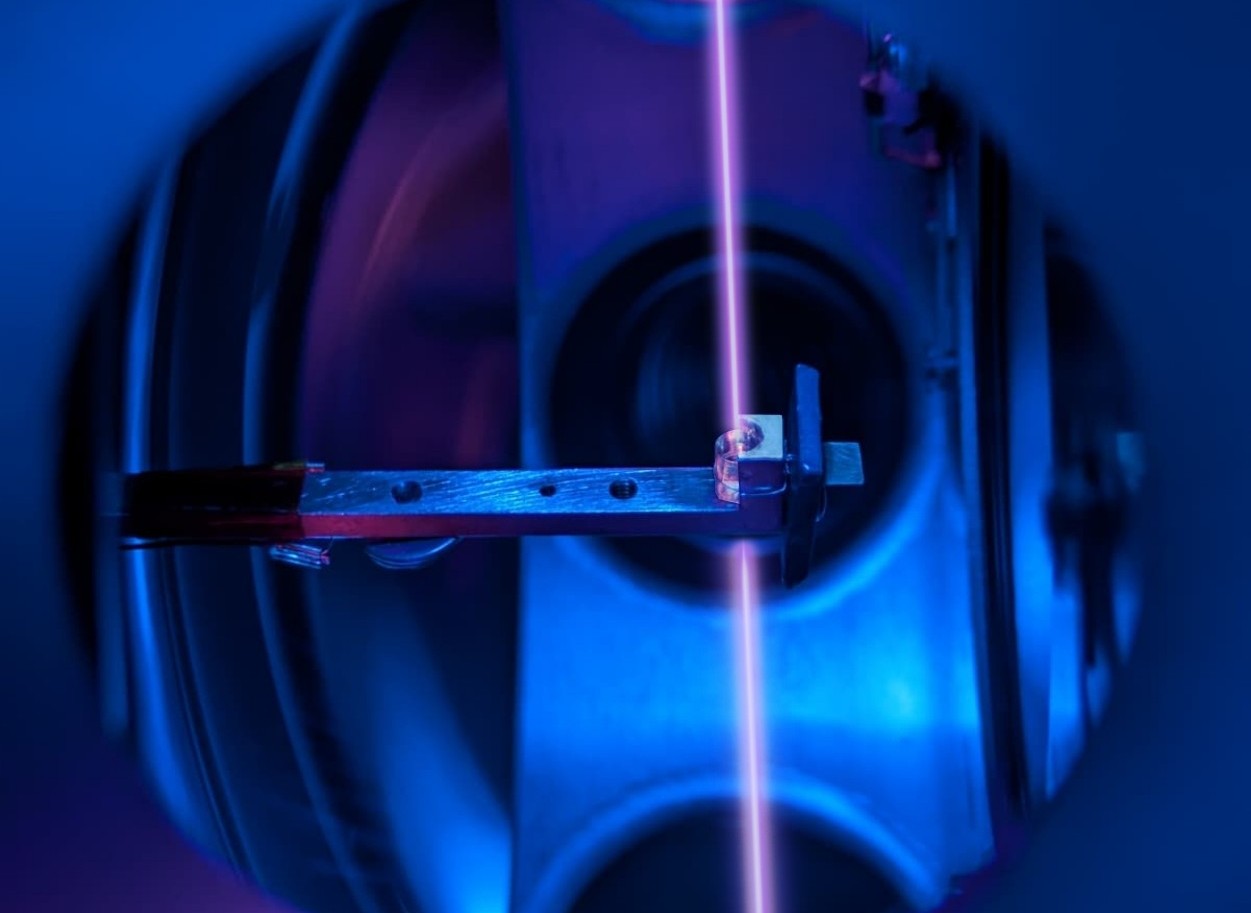
Nuclear Clock vs. Atomic Clock: What Vienna and Beijing Actually Built
Two labs have made a thorium nucleus steer a laser on its own. Here is what that proves, why the "six times steadier" claim needs a footnote, and how far nuclear clocks remain from beating atomic ones.

Inside DHS's $70,000 OPT Fee Rule: Schools Pay, Treasury Keeps It
DHS's own math charges even STEM extensions the full $70,000 in the rule's first year, and every dollar of the estimated $12.4 billion a year would go to the general Treasury, not ICE.

Isaias Came Within Hours of 1905's Latest-First-Hurricane Record
In the UTC time the hurricane record uses, Isaias was upgraded three and a half hours after 1905's first hurricane. Wind shear, El Niño's brake all season, now hinges on a trough as Isaias nears the Gulf Coast and Rachel heads for Southern California.

Real Rates, Not Inflation Bets, Drove the 10-Year Yield to a 2002 High
Oil gets the blame for the highest bond yields since 2002. The Treasury's inflation-protected yields show the market is charging more for money itself, which leaves mortgage rates little room to fall.

Hollywood Once Dodged October With Horror Movies. Clayface Is Moving In.
In the 2010s, studios steered scary movies away from Halloween season. Clayface's move to Oct. 23, 2026 and last year's Black Phone 2 suggest the calendar is turning back.

Pumpkins Rotting Before Halloween? What Causes It and How to Stop It
Rot usually starts with moisture, a bruise or a cold snap, not bad luck. Extension services give specific temperatures for storing pumpkins so they last until Halloween.
Spotify Songs Greyed Out? The Licensing Reason and What to Try
A greyed-out track usually means Spotify can't play it in your country right now because of deals with rights holders. A few other causes are fixable in your own settings.

What Happens to Unused FSA Money: Grace Period vs. Carryover Rules
Money left in a health FSA when the plan year ends is forfeited unless your employer allows a carryover or a grace period. The IRS ceilings are $3,400 to contribute and $680 to roll over in 2026.

The Rule That Was Supposed to Make Canceling Subscriptions Easy Is Stuck
The federal rule meant to make canceling a subscription as easy as signing up for one has been dead for over a year. The fines haven't stopped.

Why Allergies Hit Harder After Dark
The sneezing that waits until you're in bed has a real mechanism behind it — three of them, actually, and they compound.
Why Your Check Engine Light Comes On After You Fill Up
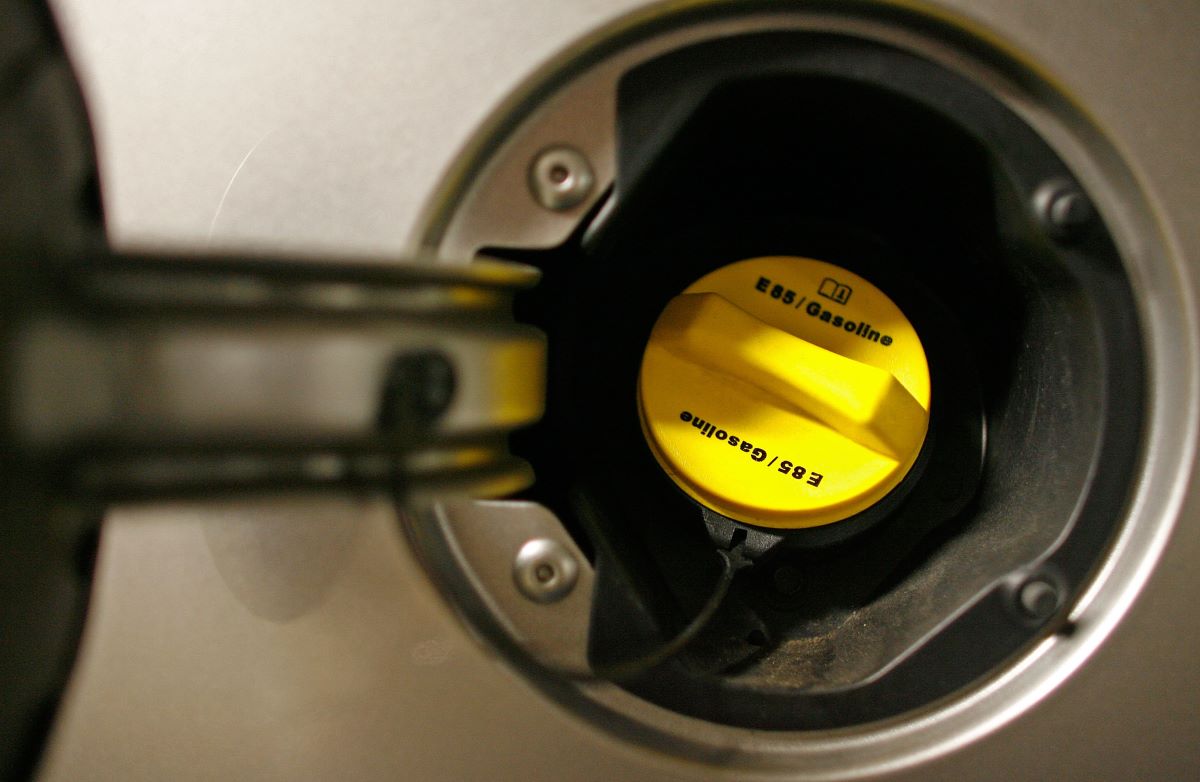
The check engine light that flips on right after a fill-up is rarely the engine. It's usually a seal the size of a soda-bottle cap.
Why Baseball's 'Ghost Runner' Vanishes Every October
MLB's automatic extra-innings runner disappears the moment the regular season ends. The league's reasoning splits fans down the middle.
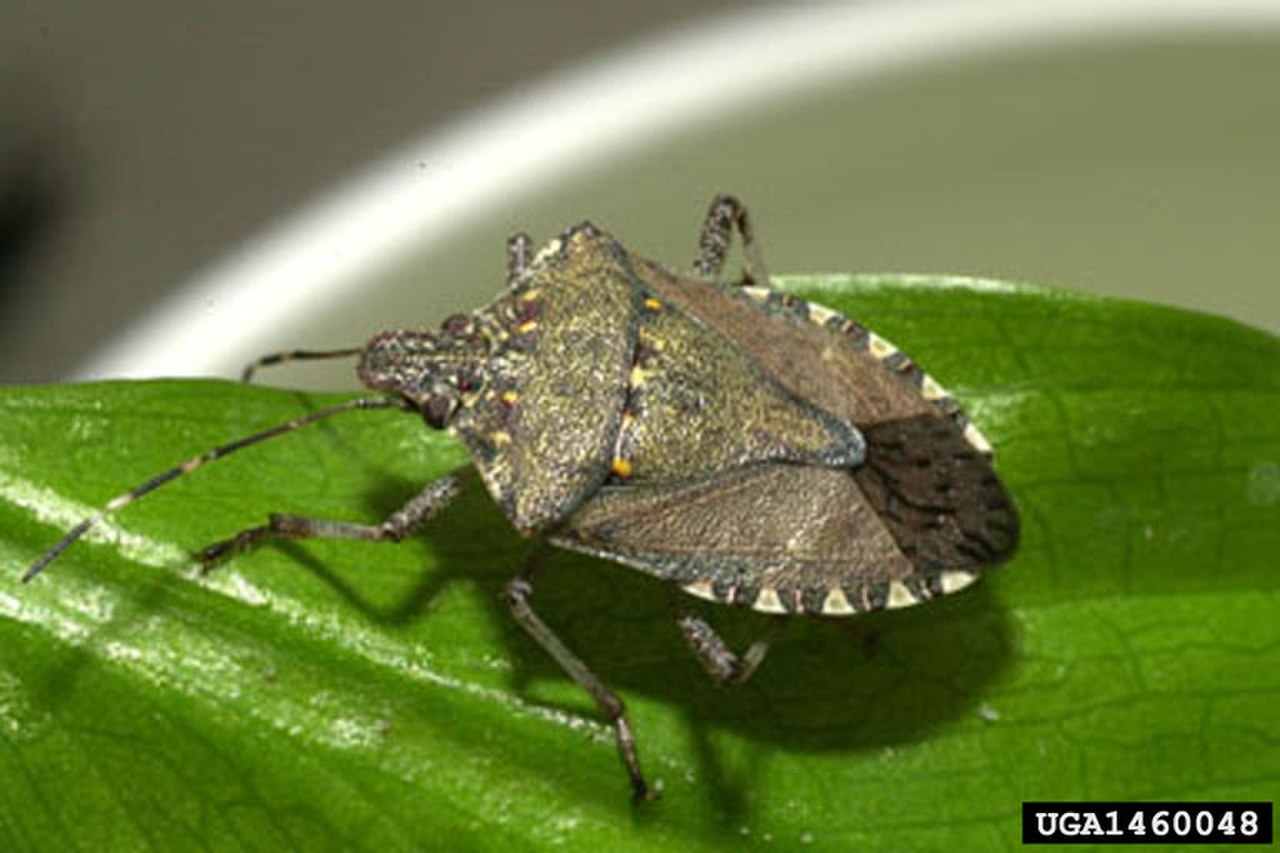
Why Stink Bugs Smell Like Cilantro: The Shared Molecule Explained
The comparison is not in your head. Stink bugs and cilantro share an odor molecule, and the same chemistry helps explain why some people think the herb tastes like soap.

Why October 1582 Is Missing 10 Days, and Why Calendars Disagree
There was no October 5, 1582, in much of Catholic Europe. Here is why the days vanished, why Britain lost 11 in 1752, and why your software may show either gap or none.
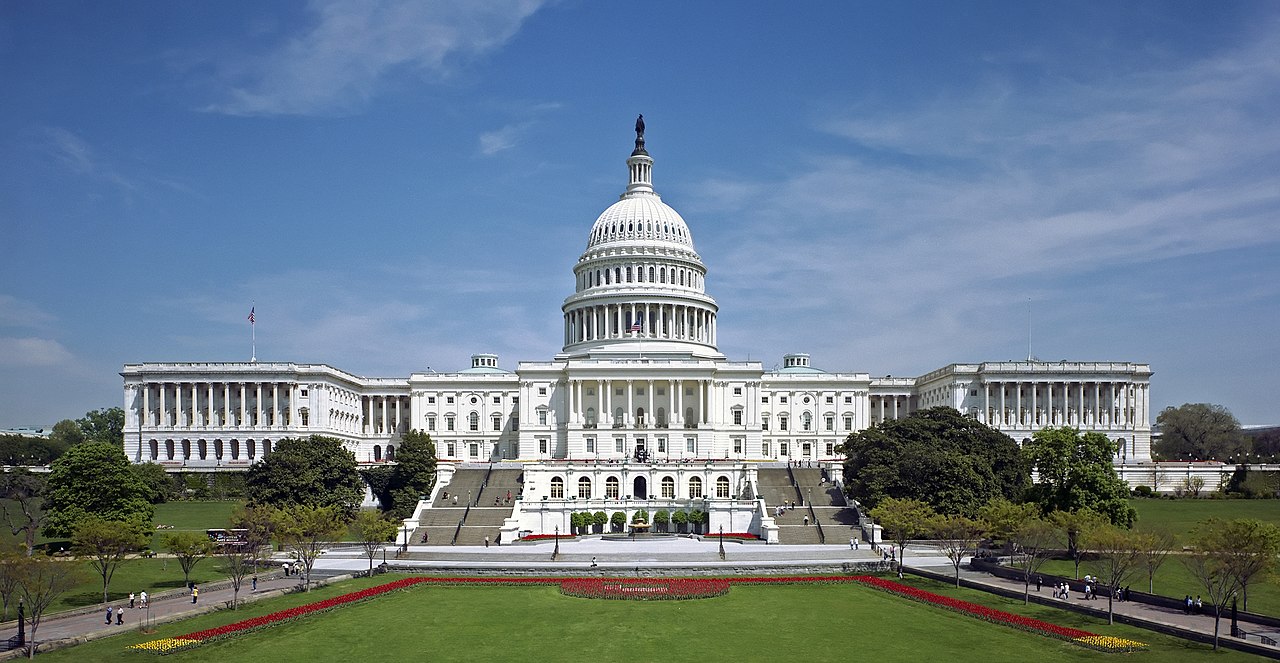
Why the Federal Fiscal Year Starts Oct. 1, and Why It Rarely Helps
Congress moved the fiscal year to October 1 in 1974 to buy itself three more months. Fiscal 2027 began this month on a stopgap anyway.

Does the First Frost Kill Mosquitoes? Daylight Matters More
Frost gets the credit for ending mosquito season, but shrinking daylight flips the switch weeks earlier, and many mosquitoes simply wait out winter in garages and as eggs.

Why Canadian Thanksgiving Is in October (It's Not Just the Harvest)
The harvest explanation is about half right. Canada's Thanksgiving moved around for decades before a collision with Remembrance Day and a 1957 proclamation pinned it to October.

Frost Advisory vs. Freeze Warning vs. Hard Freeze: What Each Means
The three cold-weather alerts measure different risks, their cutoffs change from one forecast office to the next, and all of them disappear once your growing season is over.

Do Spiders Really Come Inside in the Fall? Why It's a Myth
That big spider crossing the floor in September probably never lived outdoors. It is a male house spider out looking for a mate, and the experts disagree about whether you should put it outside.

Why NFL Players Stopped Wearing Pink in October
The league retired its breast-cancer-only look after the 2016 season. The reasons involve a player's denied tribute, an 8% merchandise math problem and a bet on screening over symbolism.

Why Cold Weather Makes You Sleepy, and Why It's Really the Dark
The drowsiness that arrives every October has more to do with light than temperature, and the warm room may be doing more harm than the cold outside.

Why Your Furnace Filter Is Wet, and When the Water Is a Problem
High-efficiency furnaces make water every time they run. When the filter is soaked, that water has usually lost its way out, and the fix is often simple.

Why Eggs Are So Cheap Right Now, and Who Is Paying for It
A rebuilt flock and softer demand turned the 2025 egg shortage into a glut. Shoppers are winning; many of the farms producing those eggs are not.

Why Ragweed Season Makes You So Tired, and What Helps
The exhaustion of fall allergy season has at least three sources, and the pill is only one of them. Here is how to tell which one is wearing you down.
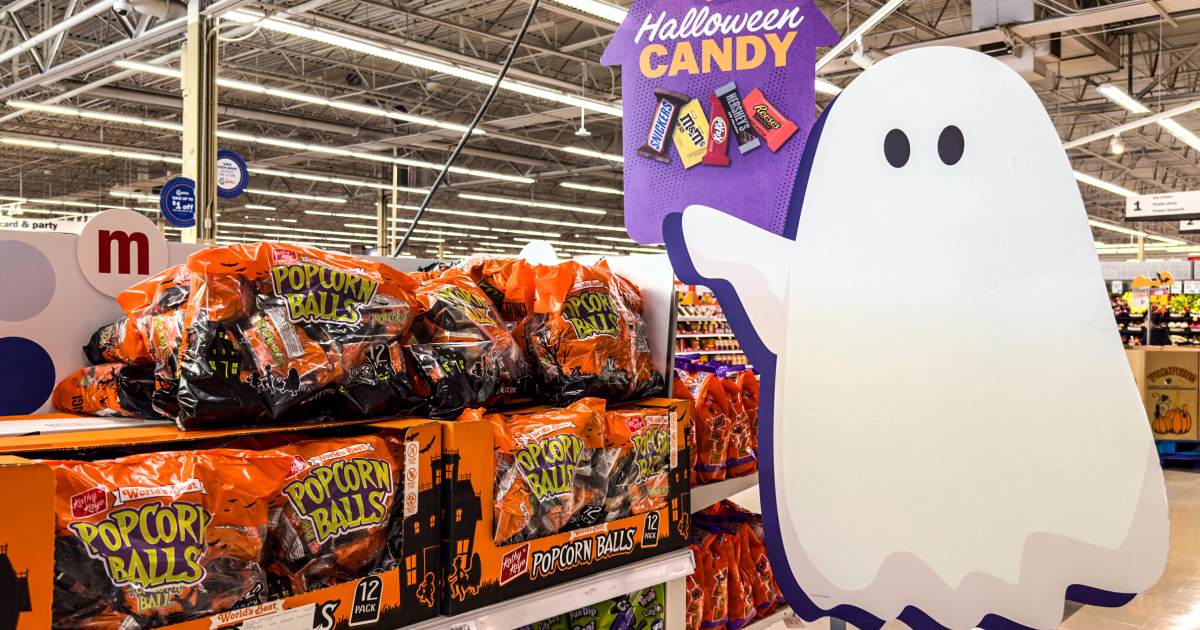
Cocoa Prices Crashed. Why Is Halloween Candy Still So Expensive?
Chocolate makers locked in cocoa at last year's prices, retail prices rarely retrace, and the bean market has already bounced back. Here is what that means for your candy bowl.

Why Your Tire Pressure Light Comes On on Cold Mornings
The yellow warning that vanishes 20 minutes into your commute is physics, not a glitch, and it is usually telling you the tires were already low.

Why Your Heat Pump Bill Is So High: The Auxiliary Heat Trap
Heat pumps can deliver up to three times more heat than the electricity they use. Backup resistance strips deliver one-to-one, and in some homes they end up doing much of the work.

Why Stores Put Christmas Decorations Out So Early
Holiday aisles went up before Halloween again this year. The habit is older than anyone shopping today, and the shoppers it chases haven't changed as much as the shelves.

Winter-Blend Gas Is Here. Why Hasn't It Made Gas Cheap?
The fall switch to winter gasoline shaves real cost off every gallon. This year, it is being swamped by crude oil near $90 a barrel and a record September at the pump.

Why Some Trees Keep Their Dead Leaves All Winter
Young oaks and beeches cling to brown, papery leaves straight through the snow. The mechanism is well understood; the purpose is still a genuine scientific argument.
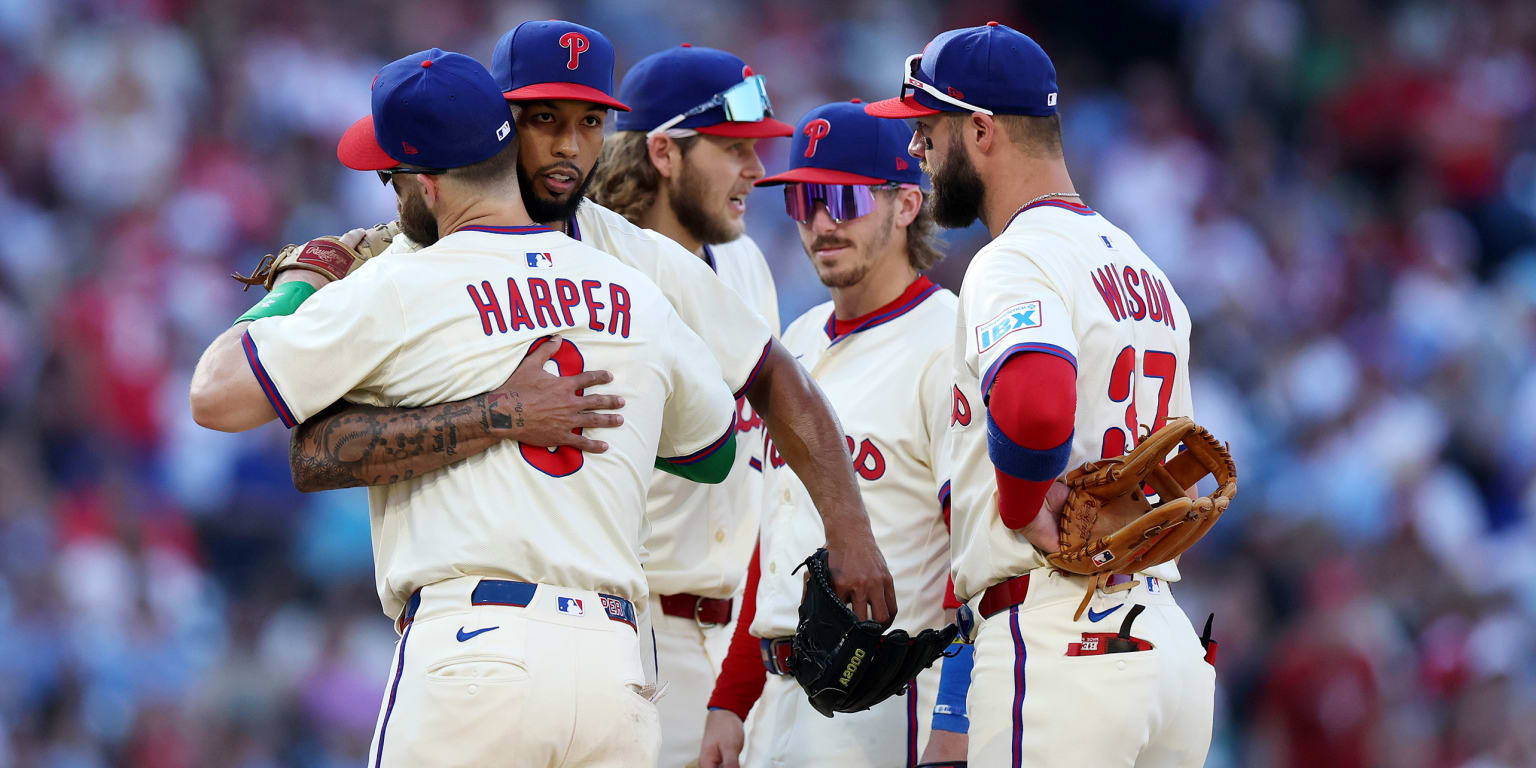
Does the MLB Playoff Bye Help or Hurt? What Four Years Show
Every October the same theory returns: the first-round bye cools off baseball's best teams. Four years of results say the bye helps, just less than its reputation suggests.

Why Smart TVs Have Microphones, and the Tracking Feature That Matters More
The microphone in your TV remote is the obvious privacy worry. The setting regulators keep going after is automatic content recognition, which reports what is on your screen from every source.

Why Leaves Are Changing Color Early: What Drought Stress Means
Day length, the normal trigger for fall color, is the same every year. When a tree turns weeks early, drought or damage is usually doing the work, and 2026 has offered plenty of both.
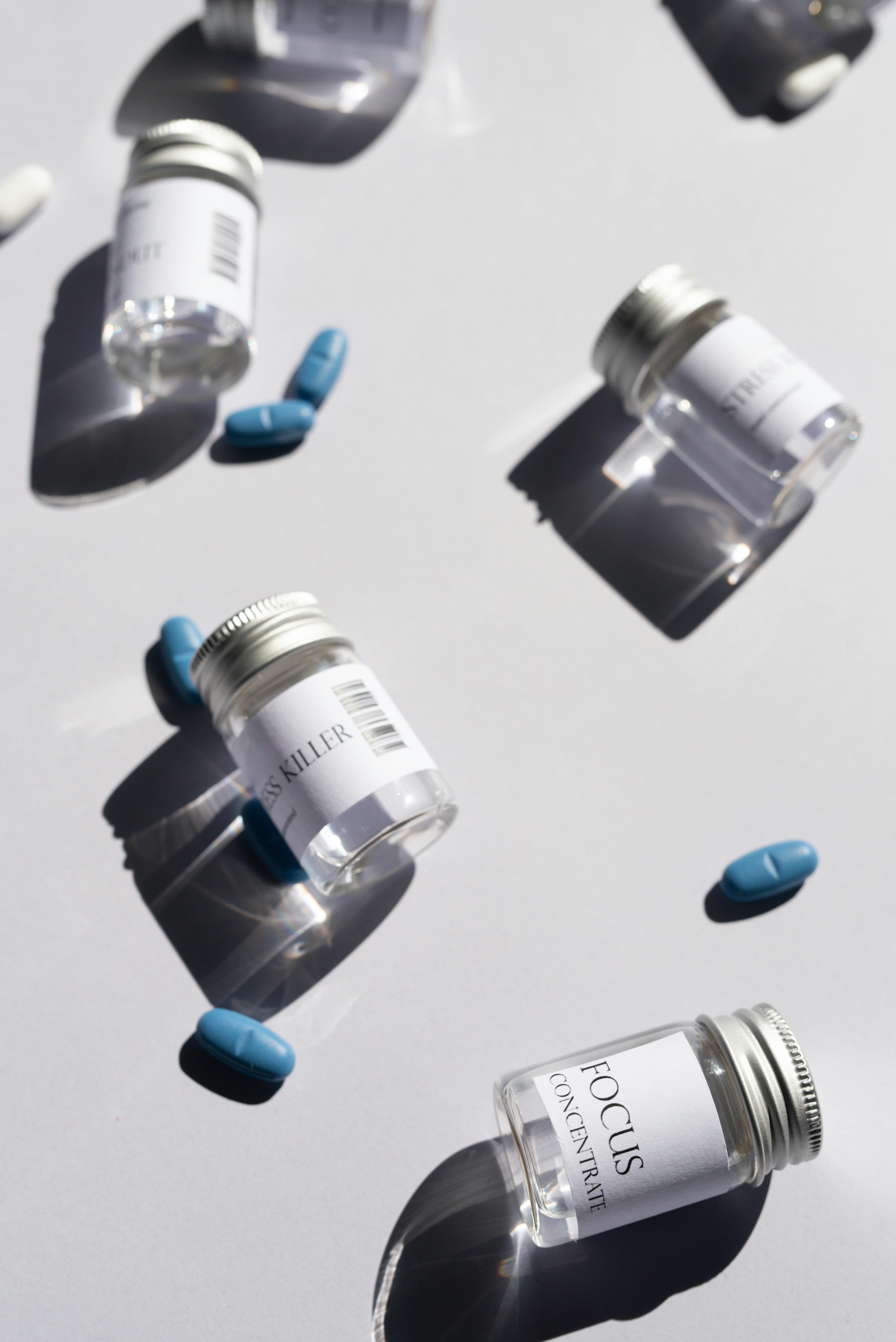
Why the Adderall Shortage Keeps Coming Back Despite Quota Hikes
Four years after the first Adderall shortage notice, the DEA has raised its national stimulant production quotas twice. The mechanism behind the gap that remains is bureaucratic, not dramatic.
Why Australia Fines People Who Don't Vote
More than a million Australians got a please-explain letter after last year's election, with fines starting at $20 and climbing to $330 in court. Here's how that compares with Belgium, Brazil and Singapore, three of the roughly twenty other countries that still make voting the law.

Why Cruise Ships Don't Fly the American Flag
Nearly every major cruise line is incorporated in Panama, Liberia or Bermuda, with ships flying Panama, Bahamas or Maltese flags instead of the Stars and Stripes. It's a structure worth billions in avoided U.S. tax, and it sets the wages of the crew who serve you.

Why Days Shorten Fastest at the Equinox, Not the Solstice
The sun's path crosses the horizon at its steepest angle near the equinoxes and nearly flattens out near the solstices — and Chicago's sunrise-sunset data show just how much that speeds up, then stalls, the loss of daylight.