Tech

Why Deleting an App Doesn't Free Up as Much Space as You Expect
An app's listed size only covers the program binary. The cache and documents layer beneath it, which both Android and iOS wall off from automatic deletion, is where most of a full phone's storage actually lives.

Why Your Wireless Charger Always Feels Hotter Than a Cable
Wireless charging is roughly 70-80% efficient versus 95% for a cable, and the lost energy shows up as heat -- normal, and rarely something to worry about.

Why ChatGPT Still Can't Count the Letters in a Word
Two years after the “strawberry” meme went viral, ChatGPT and other chatbots still miscount letters — and the reason is architectural, not a bug anyone can simply patch.

Why AI's Water-Use Numbers Are All Over the Map
A 519-milliliter estimate and a 0.26-milliliter one both come from real research. The gap comes down to what each study counts, onsite cooling, power-plant water, or both, not who's lying.

Why Your HDMI Cable Needs a Sticker to Handle 4K at 120Hz
There's no such thing as an "HDMI 2.1 cable" -- only a certified "Ultra High Speed" one, and the difference decides whether a TV blacks out at 120Hz.
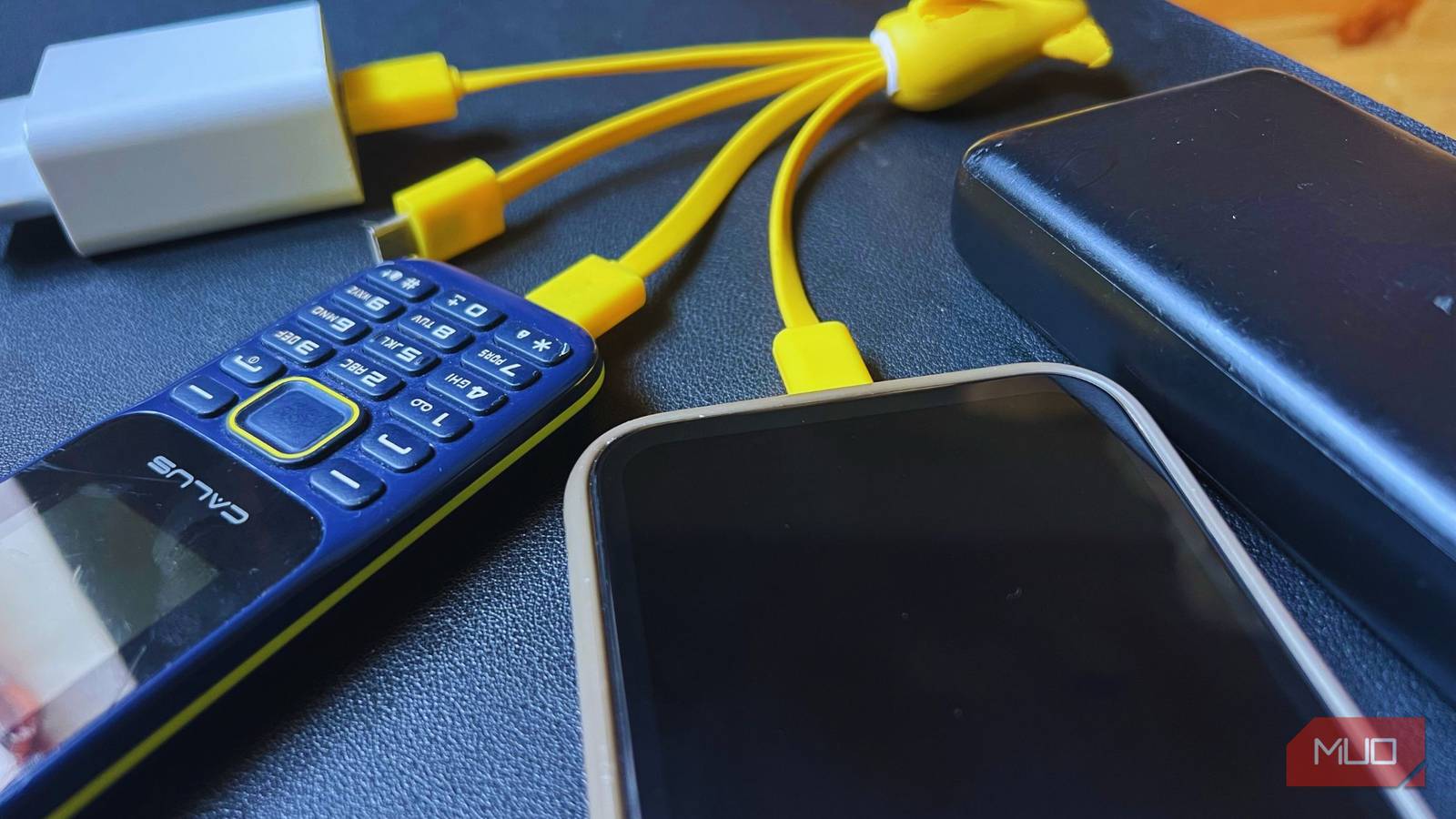
Why Two Same-Wattage Chargers Charge at Different Speeds
Two chargers rated at the same wattage can still charge a phone at very different speeds, and the wattage number rarely explains why.

Why Your Printer Drains Ink Even When You Haven't Printed Anything
Inkjet printers periodically flush ink through their nozzles to stop them clogging — sending it straight into a hidden waste pad, whether or not you've printed a page.

Why a Damaged QR Code Still Scans
A coffee stain or a peeling sticker shouldn't kill a QR code, and usually it doesn't. Here's the redundant-data trick, borrowed from deep-space communication, that keeps damaged codes readable.
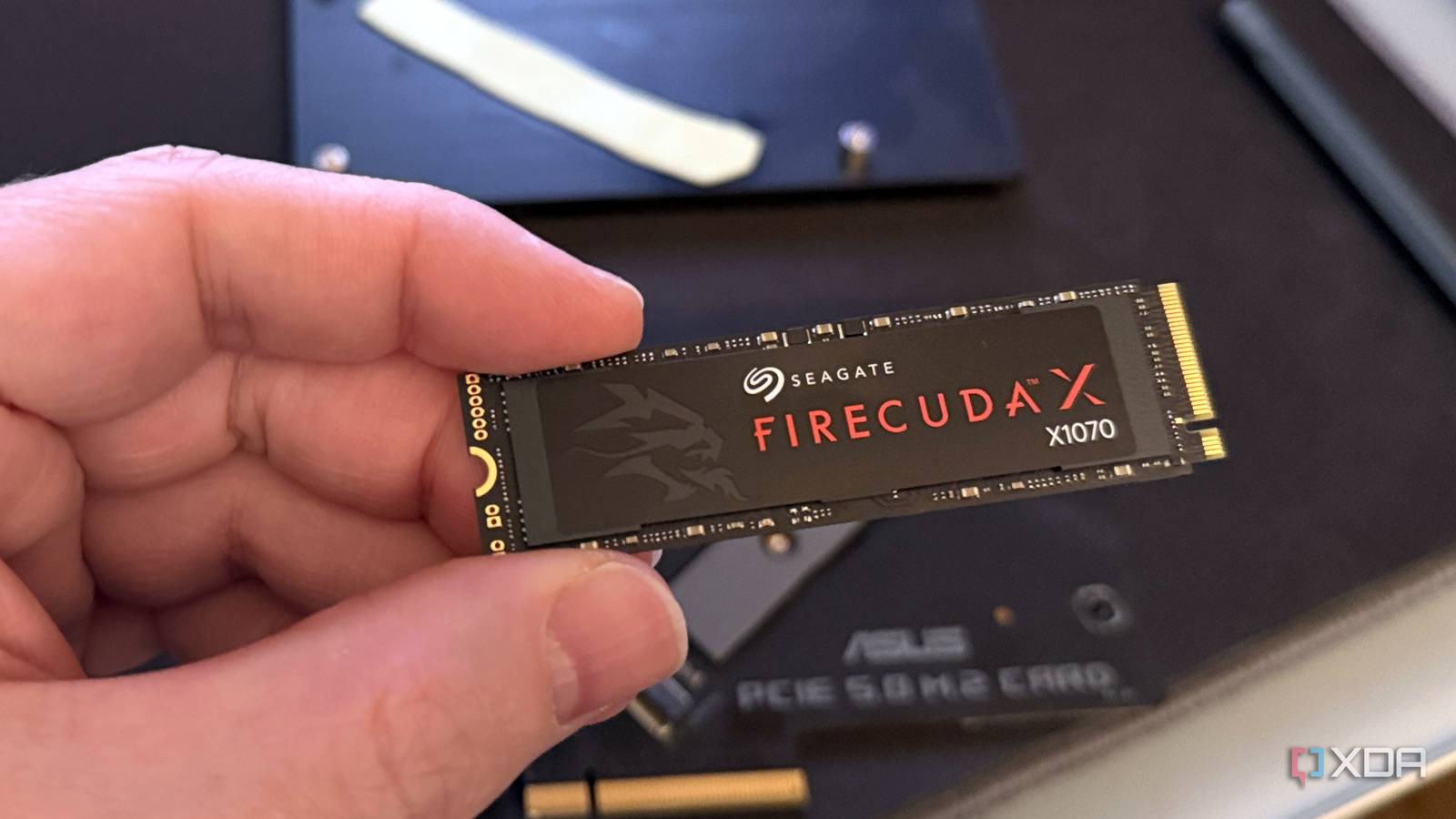
Why Your 'Slow' SSD Is Probably Just Full, Not Old
SSDs need free blocks to write fast. The real reason a drive suddenly feels slow is almost always capacity, not calendar age.

Why Batteries Swell Before They Fail
Deep discharge, heat and a bad charger all break down a battery's electrolyte into trapped gas. Here's the actual chemistry, the real fire risk it creates, and how to stop it in a device sitting in a drawer.

Who's Liable When Your Self-Driving Uber Crashes?
Waymo just told Uber it's building its own app for Austin and Atlanta. Behind the split is a messier question riders rarely think about: who pays when the car with no driver hits something.

What the FAA's New 737 MAX Crack Order Actually Requires
An FAA order to inspect 471 Boeing 737 MAX jets sounds alarming. The mechanism behind it, and why no cracks have actually turned up on the model, explains why airlines aren't changing their schedules.

Why Your Microwave Can Take Down the Wi-Fi
Microwave ovens and Wi-Fi routers share almost the same frequency, and one of them is about 35,000 times more powerful than the other.

Why Your Printer Needs Color Ink to Print in Black and White
Your black-and-white document didn't need cyan, but your printer used it anyway, and in some models an empty color cartridge stops every print job cold.

Why Wireless Earbuds Lose Sync Between Left and Right
True wireless earbuds run two separate Bluetooth connections, not one, and the link between the two buds is the fragile half. Here's the actual engineering reason one earbud drops before the other, and what fixes it.
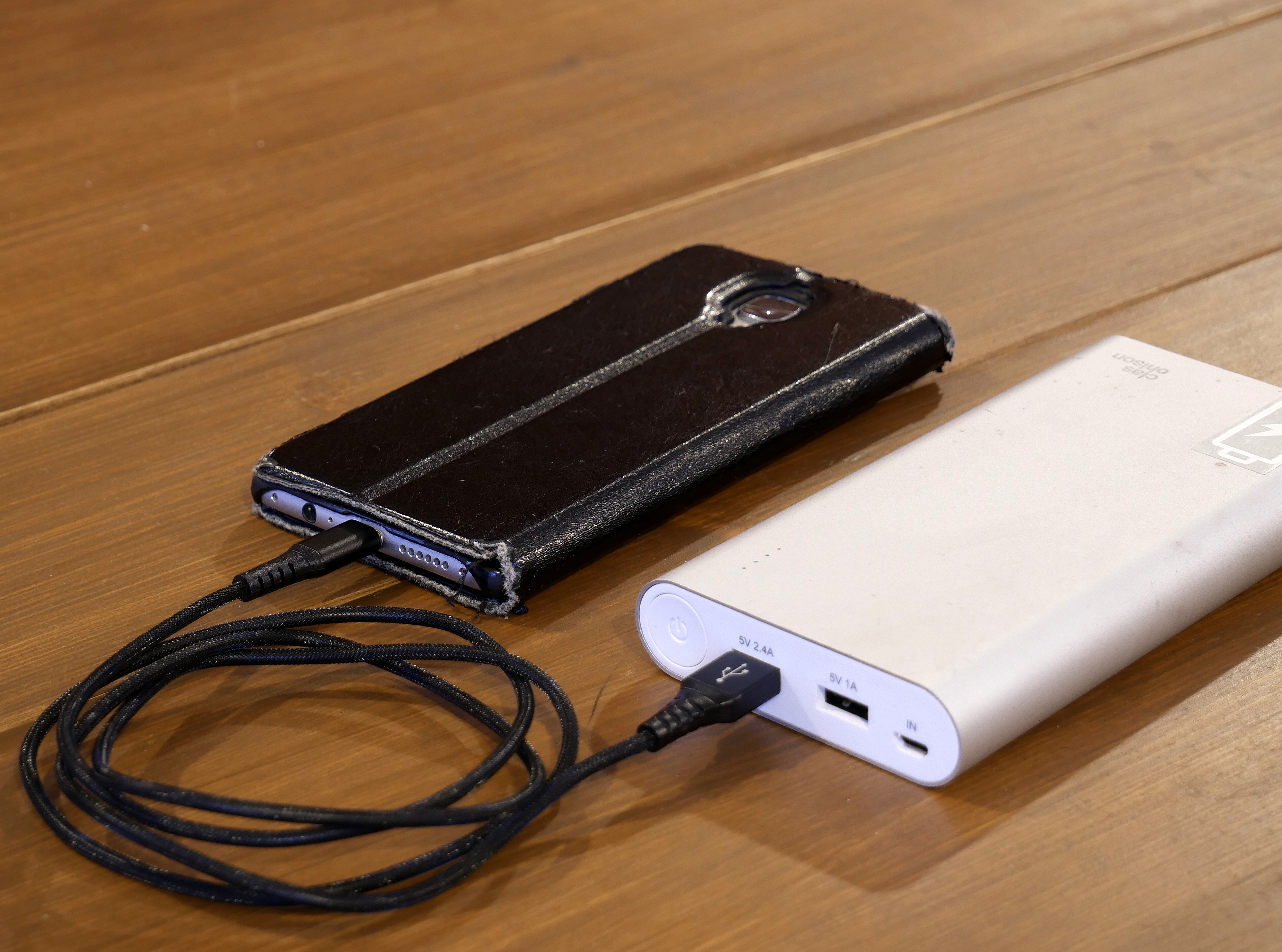
Why Your Phone's Battery Still Drains When It's Completely Off
A powered-down phone isn't on pause. Self-discharge, a clock circuit, and a storage habit worth breaking all quietly chip away at its charge.

Why Bluetooth Still Works in Airplane Mode
Airplane mode was built to silence your phone's cell radio, not your earbuds — the actual rule is about protecting cell towers on the ground.

The E-Marker Chip Inside Your USB-C Cable, Explained
Two USB-C cables can look completely identical and still perform nothing alike. The difference usually comes down to a chip smaller than a grain of rice.
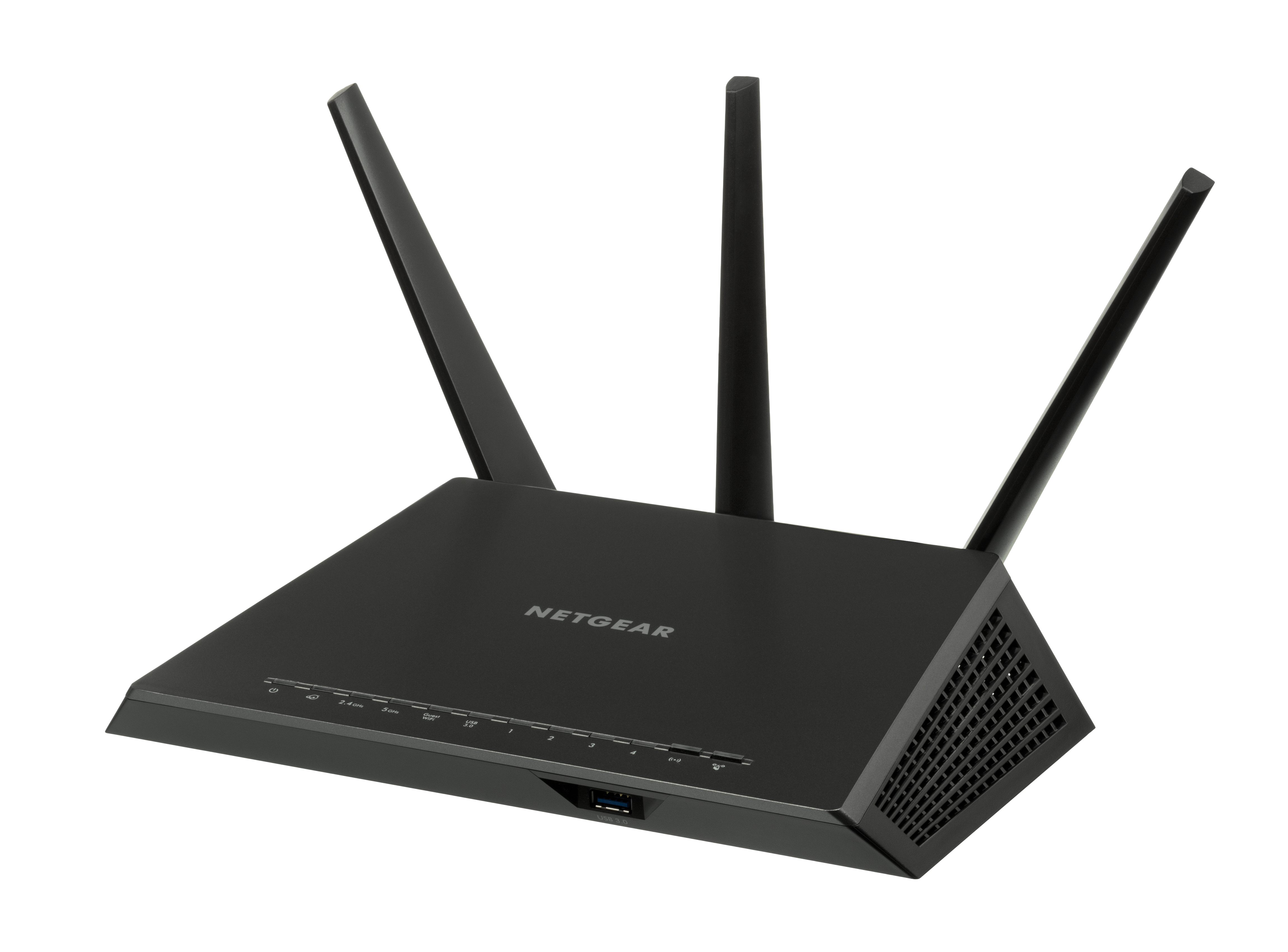
Why 5GHz Wi-Fi Is Faster but Doesn't Reach as Far
Every dual-band router quietly makes the same trade: 2.4GHz for reach, 5GHz for speed. The reason comes down to wavelength physics, not a router flaw.

What Happens to Your Passkeys If You Lose Your Phone
Passkeys are supposed to be unphishable and unstealable, but that safety depends on whether yours are synced to the cloud or bound to a single device. Here's what actually happens when the device is gone.