Science
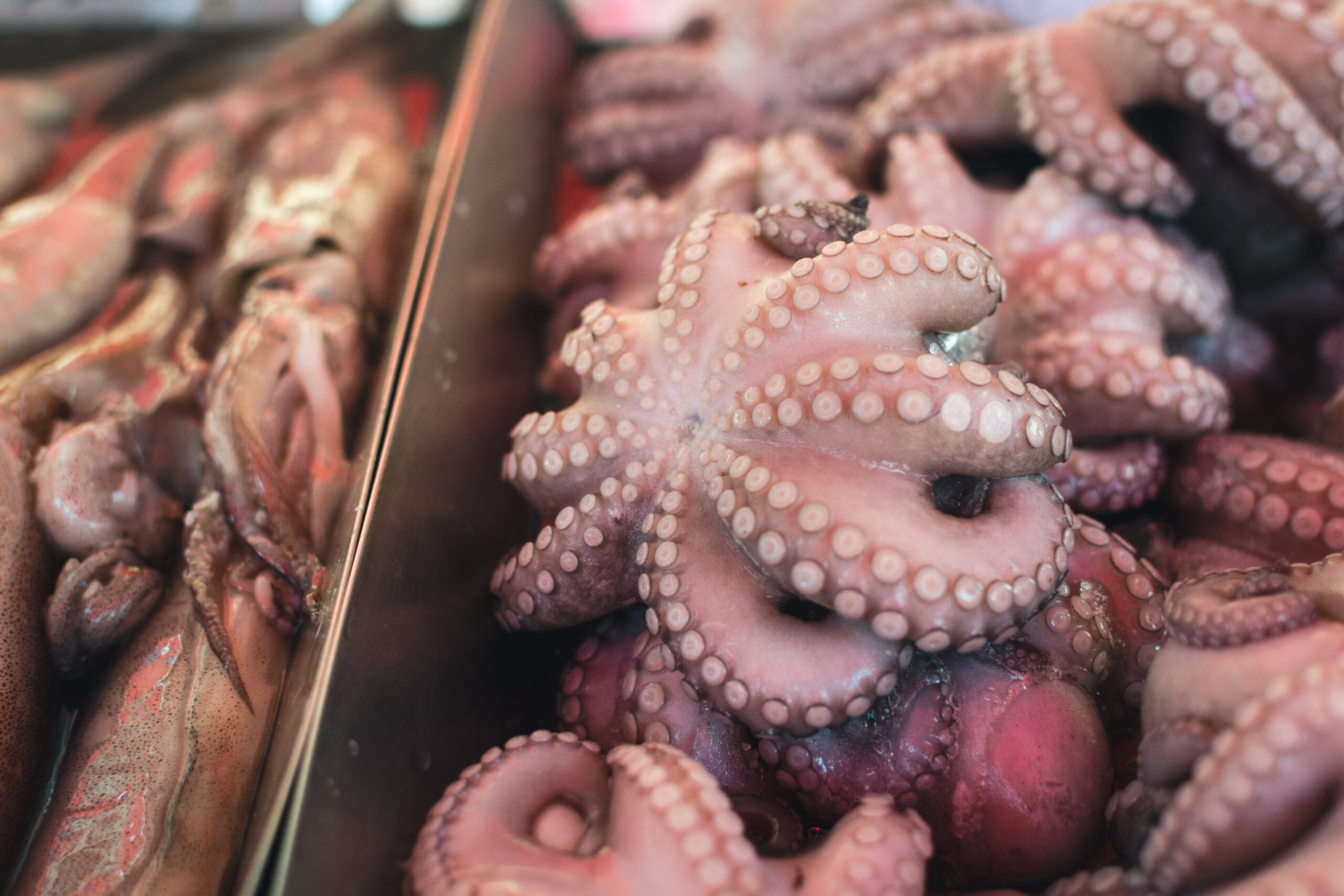
Spain's Octopus Farm Died Before It Ever Opened
A €50 million octopus farm in the Canary Islands never opened. The reasons, and the growing list of bans that followed it, show how fast the science on octopus sentience has moved.
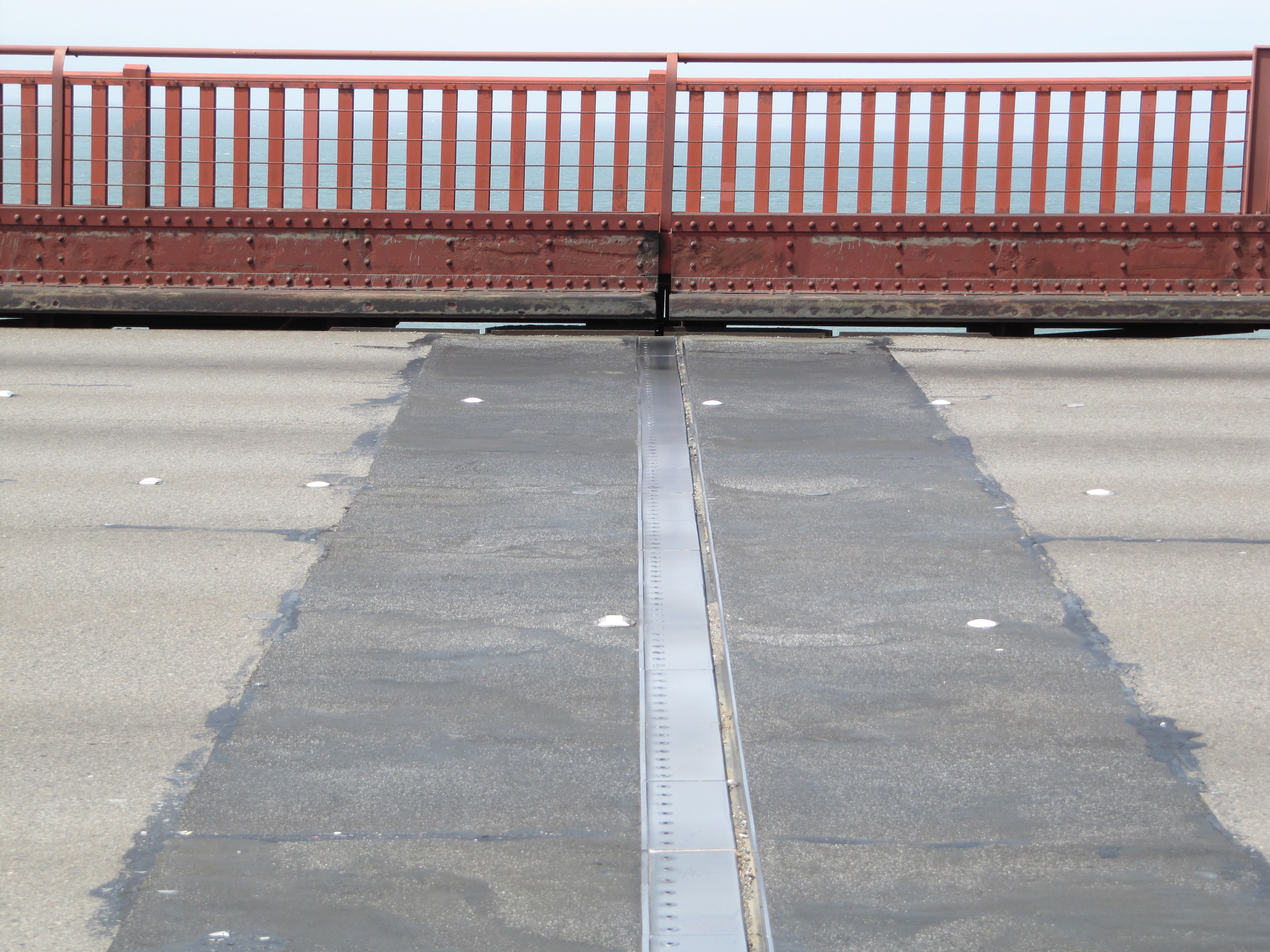
Why Bridges Have Small Gaps in the Road
Bridges are built to move — one New York span sits a full 12 feet lower in summer than winter. The metal gaps in the road are what keep that shift from cracking the structure.
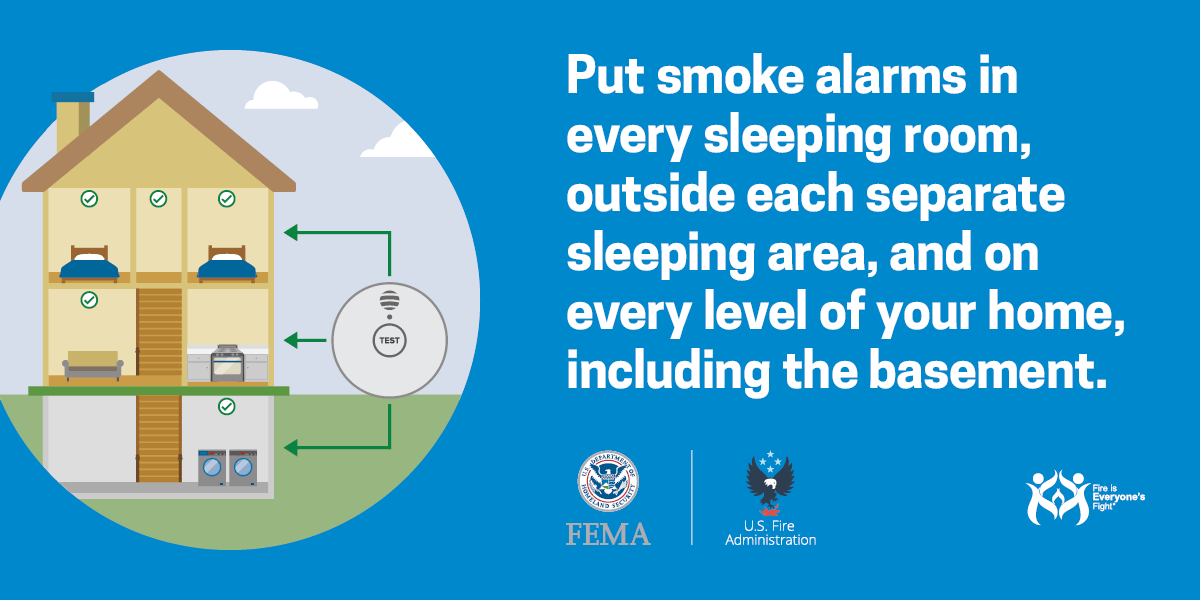
Why Your Smoke Alarm Can Pass Its Test and Still Fail You
A smoke alarm's test button only confirms the horn and wiring work, not whether its ionization or photoelectric sensor can still detect real smoke after a decade of dust, grease, and radioactive decay.
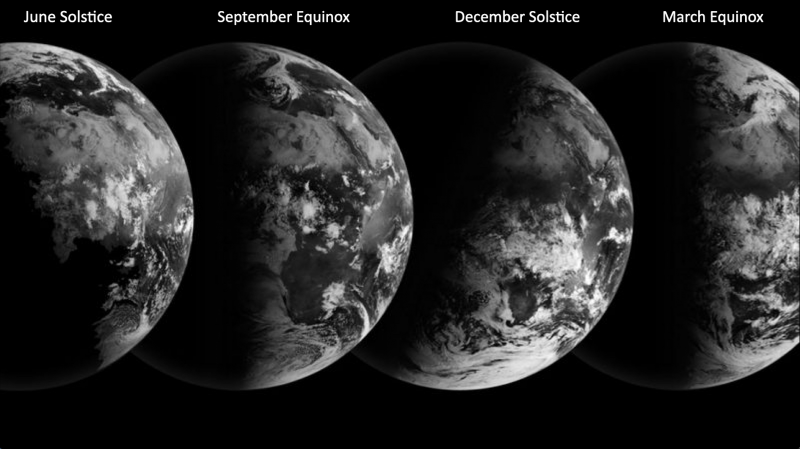
The Equinox Never Actually Splits Day and Night Evenly
Two ordinary facts about sunlight, not measurement error, explain why the equinox never delivers a true 12-hour split anywhere on Earth.

Why Rain Can Corrode Your Car Even Through the Paint
A new Nature study finds ordinary raindrops build up enough static electricity to punch through protective coatings on metal, a corrosion mechanism nobody had measured before.

Why Club Soda Goes Flat Faster Than Sparkling Water
Club soda and sparkling water start with identical carbonation, but one goes flat first because of what else is dissolved in it.
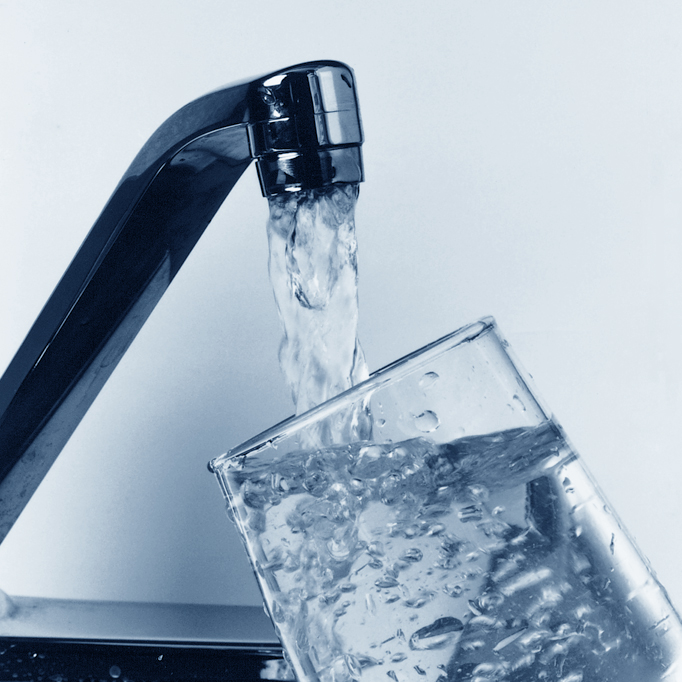
Why Tap Water Tastes Different From One City to the Next
Two glasses of tap water from two different cities aren't the same water. Source rock, disinfectant choice, and plumbing all leave a taste behind.

Mars Is Hundreds of Degrees Hotter on One Side, Study Finds
Mars looks lopsided on the surface — mountains in the south, flat plains in the north. New research shows the asymmetry runs all the way to its molten heart.
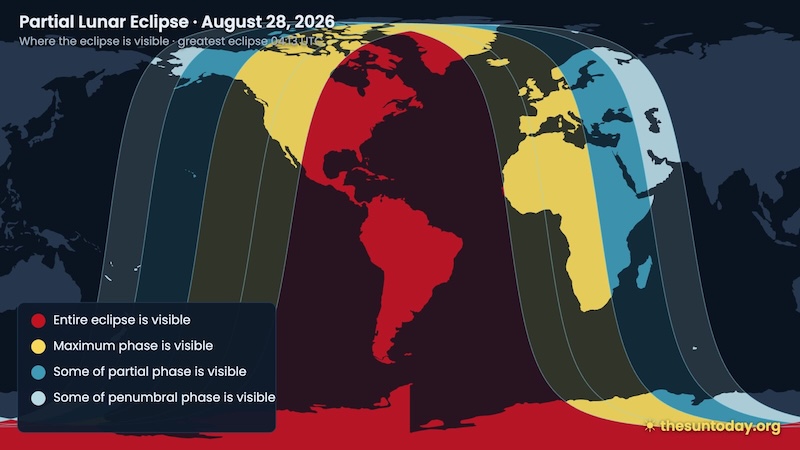
Why Tonight's Near-Total Lunar Eclipse Isn't a Monthly Event
Tonight's deep lunar eclipse won't repeat next month, or even next year. Here's the orbital mechanics behind why eclipses arrive in pairs, twice a year, and no more.
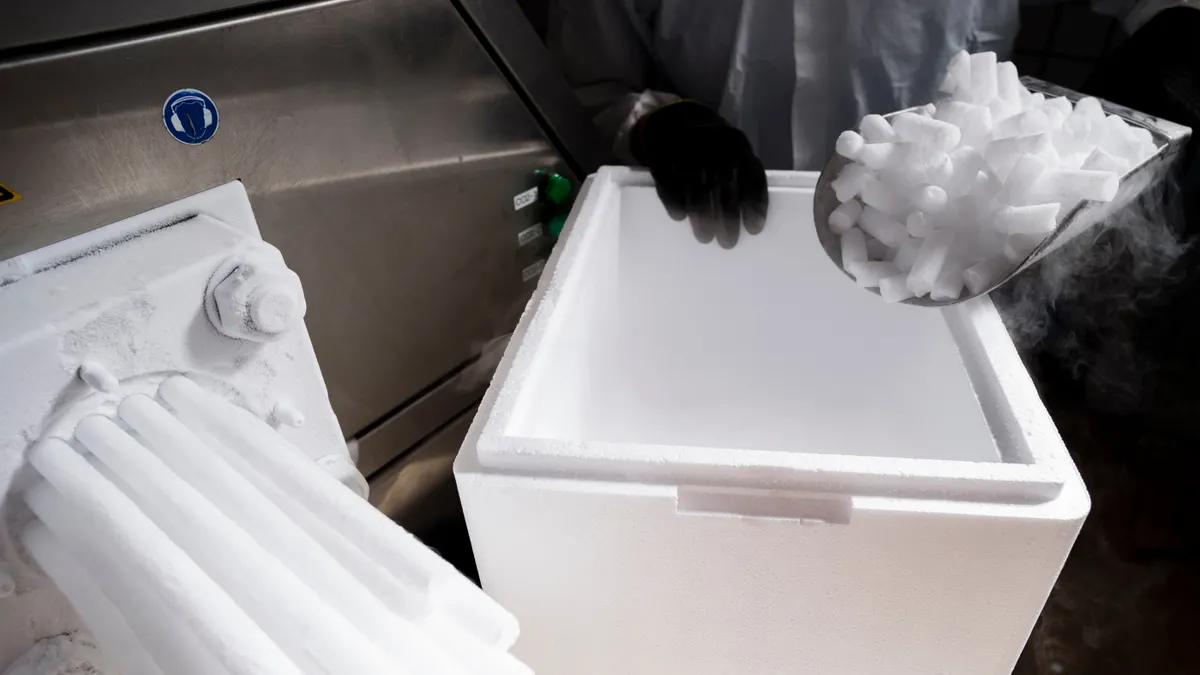
Why Dry Ice Never Melts, and Why It's Getting Scarcer
Dry ice skips the liquid phase entirely because of basic physics — and a widening CO2 supply gap is turning that same physics into a shipping headache.

Why Your Smoke Detector Keeps Chirping, Even With a New Battery
Swapping the battery is supposed to end the chirping. When it doesn't, the real cause is almost always one of four things, and a dead battery usually isn't one of them.

Why Cat Pupils Are Vertical Slits and Dogs' Are Round
A Berkeley vision scientist studied 214 land animals and found pupil shape isn't random. It's optics, tuned to whether an animal ambushes, grazes, or chases.
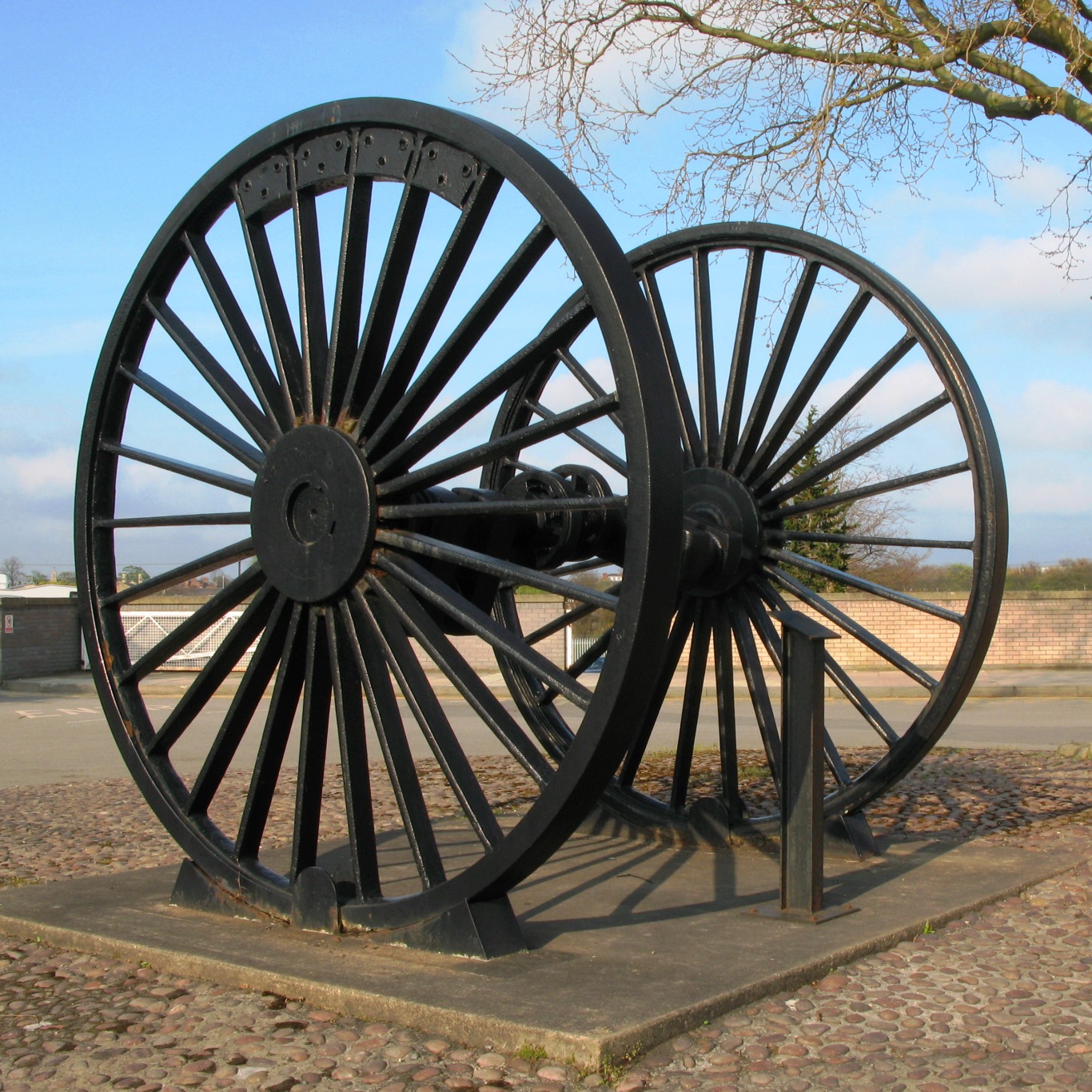
Why Train Wheels Never Need to Steer
No one steers a train around a curve. A 19th-century trick of geometry, the conical wheel, does that job instead, and railroads are still refining it.

Why Worker Bees Die When They Sting but Queens Don't
One insect, two very different stingers. The barb is why a worker honeybee dies after a single sting, and why the queen never does.
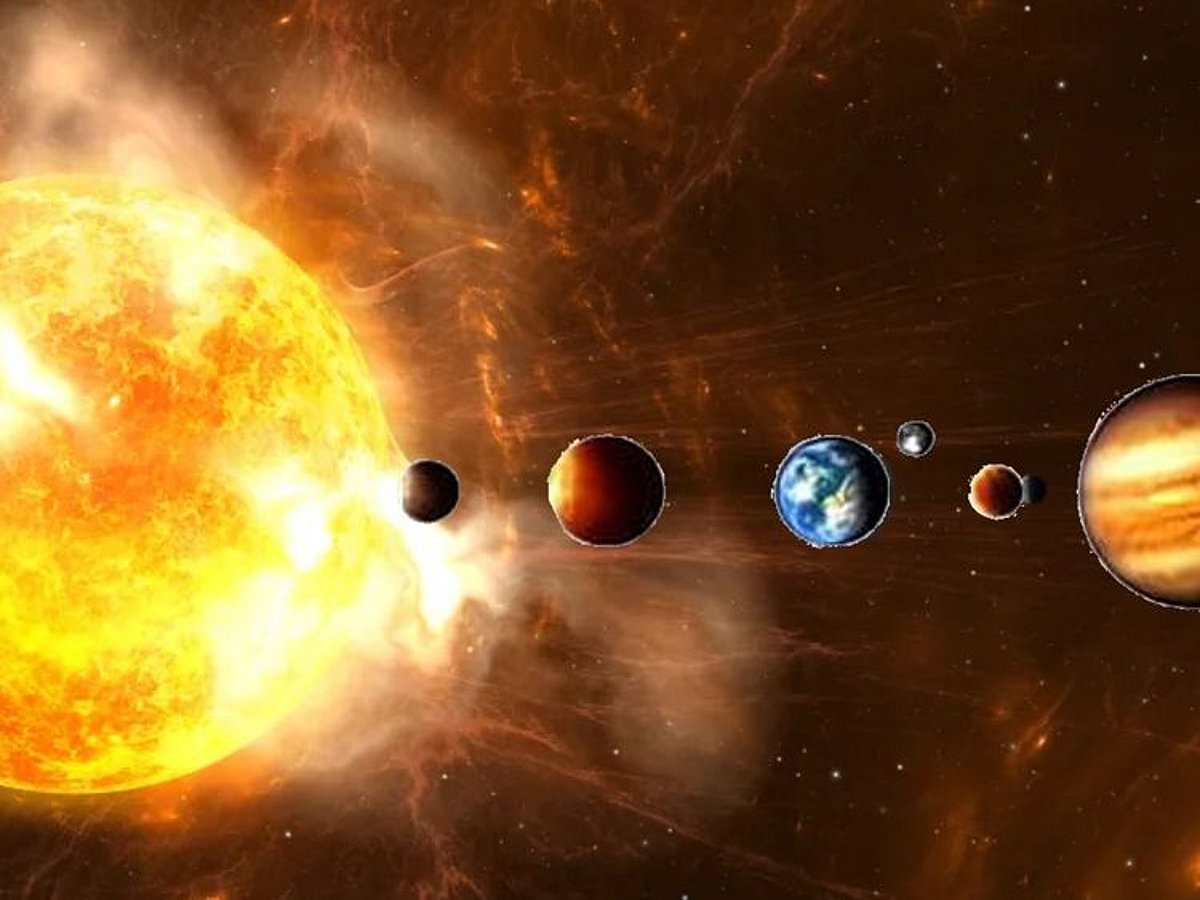
Why Solar Storms Can Throw Your GPS Off by Yards
A burst of radiation from the sun can scramble the atmosphere GPS signals pass through — in 2024, it sent tractors and ships drifting off course.

Why Subway Trains Screech So Loudly on Tight Curves
Trains can't steer their wheels independently, so tight curves force a stick-slip vibration that turns steel into a very loud, unintentional bell.

Why Lakes 'Turn Over' Twice a Year, Explained
Water's density peaks at 39.2°F, not at freezing. That single anomaly drives the seasonal mixing that keeps a lake's deep water breathing.

Why Submarines Switch to Red Lighting at Night
Red light protects a submarine crew's night vision before a periscope watch. A Coast Guard researcher's blunt 2002 verdict complicates the tidy version of that story.

Why Some Popcorn Kernels Never Pop, Explained
Unpopped "old maids" aren't random. A Purdue food chemist found the difference between a good popper and a dud comes down to moisture and a kernel's cellulose hull.
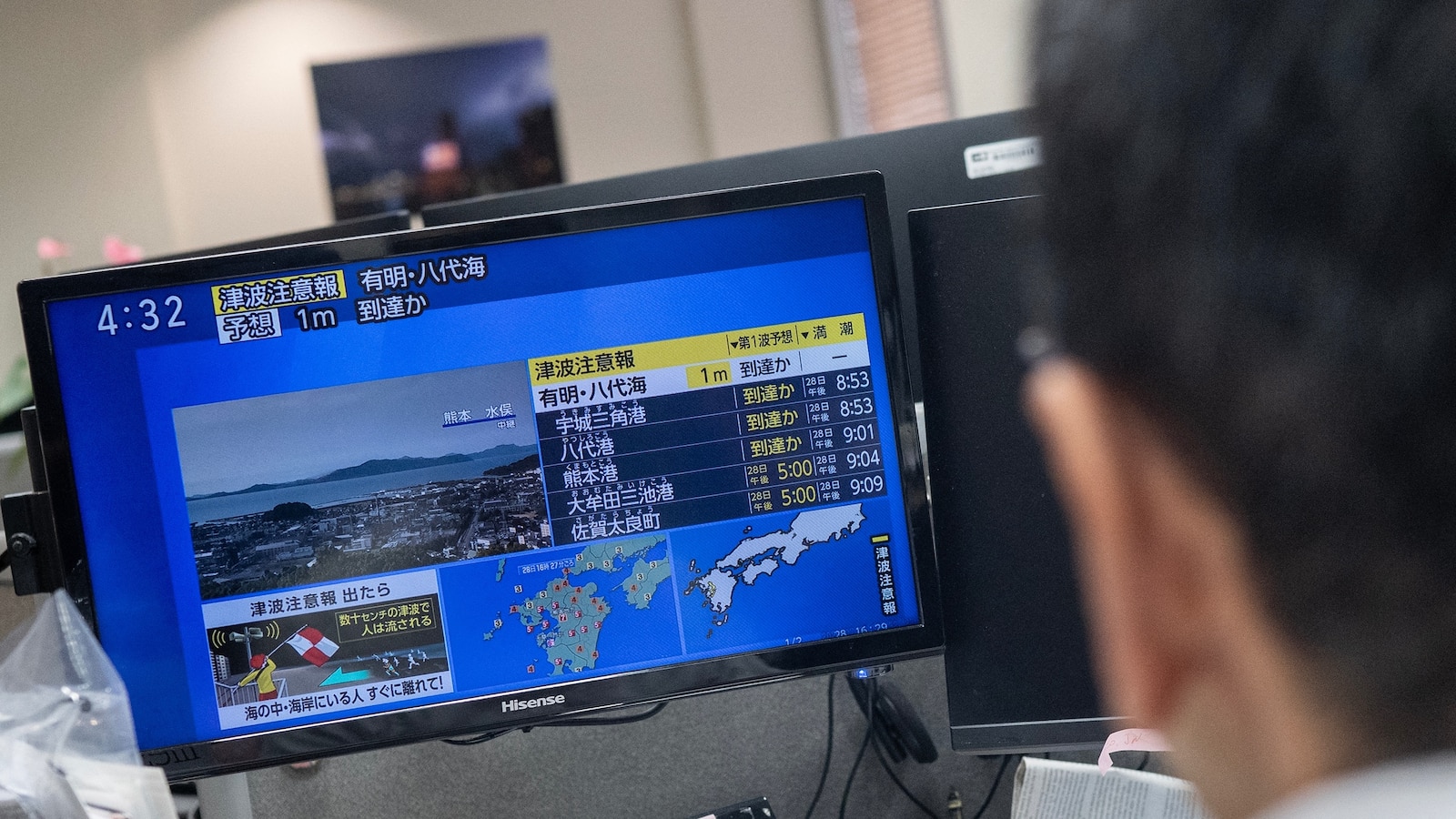
Why Some Earthquakes Come in Swarms, Not One Big Shock
Tuesday's magnitude 7.1 Kumamoto earthquake struck as one sudden jolt, while sequences in the Philippines and the Canary Islands unfolded as sprawling swarms. The difference comes down to fluid, not fault size.