World

Serbia Needs 126 of 250 Seats for a Government, Not 50% of the Vote
A list can win a majority with under half the vote, or fall short with 45%. The rules on the threshold, the seats and the clock decide who governs Serbia.

Article 152 Makes Egypt's Saudi Vote a Permission Slip, Not an Order
A vote in Cairo would clear Sisi to act for Saudi Arabia if Riyadh asks. It would not name a force, a place or a date, and Egypt's own history explains why.
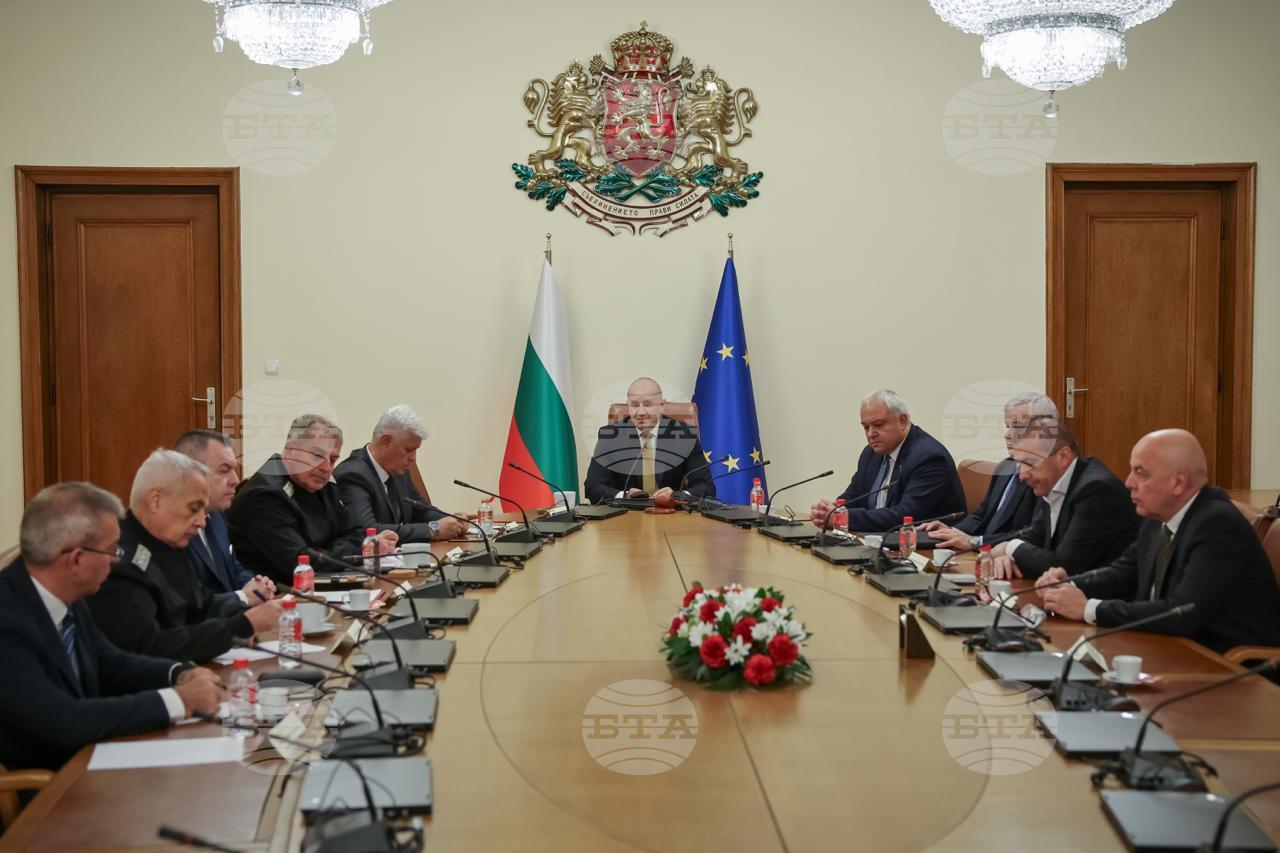
Bulgaria Ship Strikes Now Hit 5 Miles Outside Its Territorial Waters
In one week, drone strikes on merchant ships moved from 70 to 80 nautical miles off Bulgaria to just past its 12-mile line, the edge of the only waters insurers left off the war map and a gap NATO's treaty does not clearly cover.

16 Dead in a Week at Riyadh Airport: Where Flights and Airspace Stand
Riyadh's main airport was declared back to normal less than two days before the deadliest strike yet. Here is what the airport's notices, the airlines and Europe's air-safety regulator are saying, and what to do with a booking this week.

Panama's 7.7 Quake Ruptured a Quiet Fault Under the Azuero Peninsula
The worst shaking fell on small towns of the Azuero Peninsula, roughly 160 to 200 km from the capital and the canal. The official toll is low so far, but a USGS loss model and cut-off communities suggest it is provisional.

Treasury's Licenses Cushion ICC Sanctions, but the Main One Ends April 7
Four Treasury licenses soften the sanctions on the court's 900 staff, but only one has an end date, and it falls 180 days out. Banks and vendors outside the U.S. are the exposed layer.

28% of the Vote, 59 Seats: How First-Past-the-Post Built Quebec's PQ Win
Quebec's Parti Québécois won 59 of 127 seats with 28.02% of the vote, a record-low share for a governing party, yet 2022 was the more distorted election. The riding arithmetic shows how close the PQ came to a majority and what the seat count does and does not say about reform and independence.

Why October 1582 Is Missing 10 Days, and Why Calendars Disagree
There was no October 5, 1582, in much of Catholic Europe. Here is why the days vanished, why Britain lost 11 in 1752, and why your software may show either gap or none.
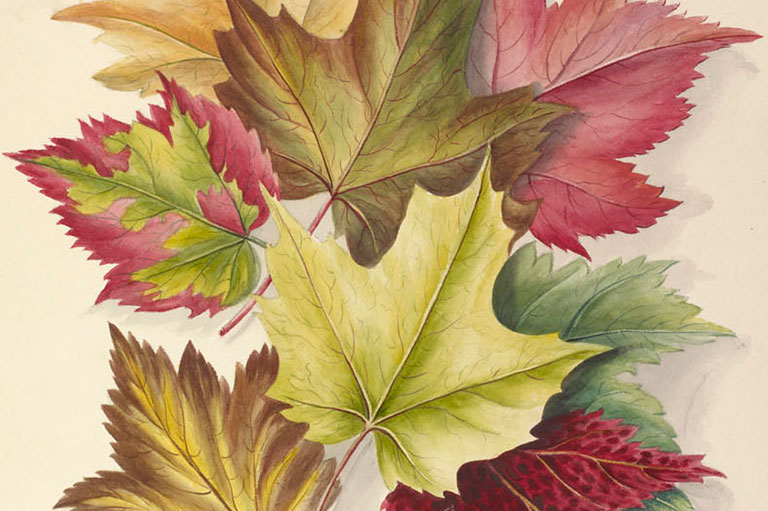
Why Canadian Thanksgiving Is in October (It's Not Just the Harvest)
The harvest explanation is about half right. Canada's Thanksgiving moved around for decades before a collision with Remembrance Day and a 1957 proclamation pinned it to October.
Why Australia Fines People Who Don't Vote
More than a million Australians got a please-explain letter after last year's election, with fines starting at $20 and climbing to $330 in court. Here's how that compares with Belgium, Brazil and Singapore, three of the roughly twenty other countries that still make voting the law.

The Nine Countries That Can't Agree on One Capital City
Nine countries currently run on two or more capital cities. The reasons range from a 19th-century civil war to a government that simply got too crowded.

Why Your Shoe Size Is a Different Number Abroad
Buy the same sneakers in three countries and you'll get three different numbers on the box. None of them are wrong. The systems just never agreed to merge.

Why Some Countries' Independence Day Isn't Their Independence Date
From the Philippines to Norway to Mexico, the date a country celebrates freedom is often not the date it actually became free. It's the date the story became worth telling.

Why the Vatican Has Never Applied to Join the United Nations
Six reserved UN seats belong to the Holy See, which can speak and ratify treaties but has never asked for a vote, a choice traced to a wary 1944 letter from Washington.
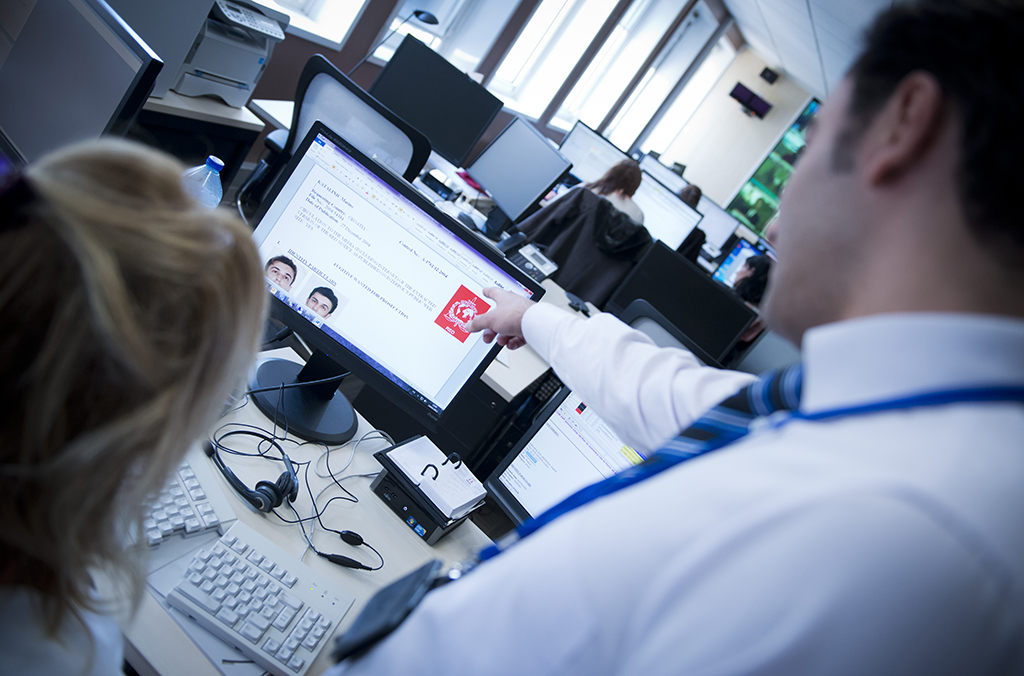
Why an Interpol Red Notice Isn't Actually an Arrest Warrant
Interpol issues Red Notices, but it has no police of its own. What happens after one goes out, arrest, extradition or nothing at all, depends entirely on the laws of whichever country the fugitive is standing in.

Why the UN General Assembly Always Opens in September
The UN's opening date isn't chosen fresh each year. It's the output of a decades-old scheduling formula, and this year's session carries an unusually high-stakes agenda.
What 'Economic D-Day' Sanctions on Iran Actually Target
Treasury's “economic D-Day” sounds dramatic, but the sanctions tool behind it — leverage over dollar-clearing banks — is the same one Washington has used against Iran for years.

Why Ukraine's Railways Don't Fit Europe's Tracks
Ukraine's railways run on a 180-year-old Russian-empire gauge that doesn't match Europe's. A new line at the Slovak border shows what it takes to close the gap.
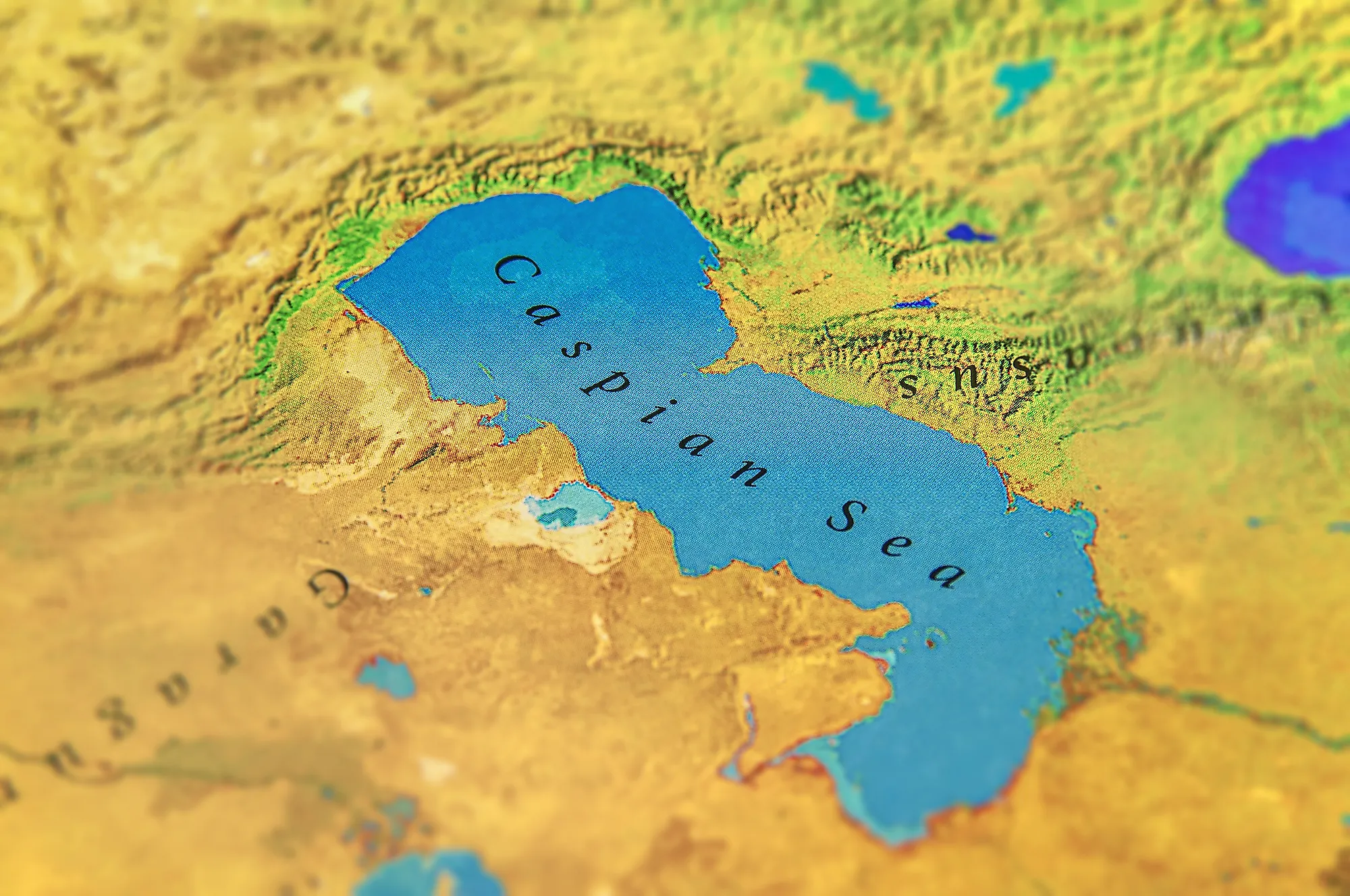
Why the Caspian Sea Is Legally Neither a Sea Nor a Lake
Salty, tidal-looking, and bigger than Germany, the Caspian fails the classic sea test on a technicality. Five countries spent 20 years fighting over what to call it instead.

How Oman Became the Broker Behind the Latest Hormuz Deal
As Iran and Oman close in on a deal to reopen the Strait of Hormuz, the real story is why Washington and Tehran still can't talk to each other directly, and why Muscat always ends up in the room.