Business

Why Tiffany & Co. Can Legally Own the Color Blue
A 1990s Supreme Court case about dry-cleaning equipment set the legal test that lets Tiffany, UPS and T-Mobile each claim a single color as their own.

Why You Can Still Get Burned by a Rental Car's Fuel Policy
Rental car fuel policies are built to collect for gas you didn't use -- from EZFuel's flat fees to inflated per-gallon refill prices at drop-off.
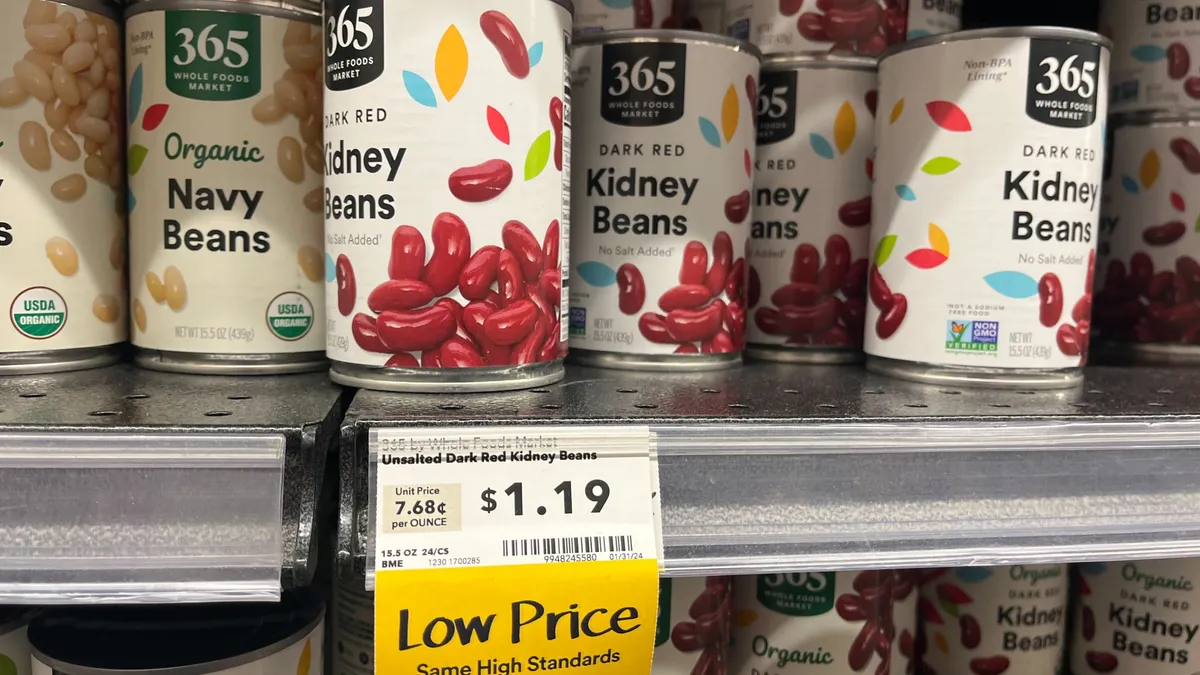
Why Store Brands Just Grabbed a Record Share of Your Grocery Cart
Private-label groceries hit a record 21.3% of US dollar sales in 2025, growing nearly three times faster than national brands — and grocers are betting the shift is permanent.

Why Japan's Business Year Starts in April, Not January
A 19th-century cash crunch forced Japan to shorten its fiscal year and move the start to April. The fix outlived the crisis, and now governs hiring, school terms and earnings season for the world's fourth-largest economy.

Why a $7.85 Million Sony Settlement Won't Feel Like $7.85 Million
Sony's PlayStation Store settlement covers more than 4.4 million people, and up to a quarter of the $7.85 million goes to legal fees before anyone gets paid — a pattern that explains why most class-action payouts amount to pocket change.

Why Your DoorDash Delivery Time Keeps Moving After You Order
DoorDash and Uber Eats don't show a fixed delivery time -- they show a live prediction that updates itself repeatedly, and the model behind it is doing real engineering work.

Why Job Postings List Such Wide Salary Ranges
Pay transparency laws forced companies to publish salary ranges. Few laws say how wide those ranges can be, and research shows women pay the price.

Why Loyalty Points Can Vanish Overnight but Gift Cards Can't
Gift cards are protected by federal law for years. Loyalty and rewards points aren't, and companies can wipe them out overnight.

Why Nvidia Just Paused Its AI Cloud Revenue-Share Deals
Nvidia offered to bankroll smaller AI clouds' chip purchases in exchange for a slice of their revenue. Weeks later, its own employees flagged the antitrust risk.

Why Canceling a Subscription Still Isn't Easy
The FTC's click-to-cancel rule was struck down in 2025 and still hasn't come back — which is why quitting some subscriptions still means picking up the phone.

Missouri's Penny-Rounding Law Kicks In Aug. 28. Here's What Changes
The U.S. Mint struck its last circulating penny in November. Now state legislatures are racing to write the rounding rules cash registers will actually use.

Why Your Bank Can Hold a Deposited Check for Days
Regulation CC doesn't let banks hold your money as long as they want, it caps how long they can. Here's the real day-by-day schedule, the six exceptions that extend it, and the outer limit federal law allows.

Title Insurance Covers a Crime That Almost Never Happens
Most homeowners never file a title insurance claim. For the few who do, it can be the only thing standing between them and a multi-year lawsuit to reclaim a forged deed.

Force-Placed Insurance, Explained: The Coverage You Never Chose
Miss an insurance payment and a mortgage servicer can buy its own policy and add the bill straight to your mortgage, coverage that protects the lender, not you.

Why Some Gift Cards Never Expire and Others Quietly Do
The CARD Act gives every gift card a five-year floor. What happens after that depends on which state you're standing in.

FSA vs. HSA: Why One Expires and the Other Doesn't
Roughly half of FSA holders forfeit money every year, while HSA balances never expire. The difference traces back to a single line in the federal tax code.

The U.S. Government Is Now Insuring Oil Tankers in a War Zone
War risk premiums for Hormuz tankers have jumped 40-fold since February, so Washington is now backstopping up to $40 billion in oil and LNG shipping insurance itself.

Cliff Vesting vs. Graded Vesting: What Your 401(k) Match Pays
A single word in your benefits packet decides whether your employer's 401(k) match is actually yours. Here's how cliff and graded vesting differ, and what leaving early costs.
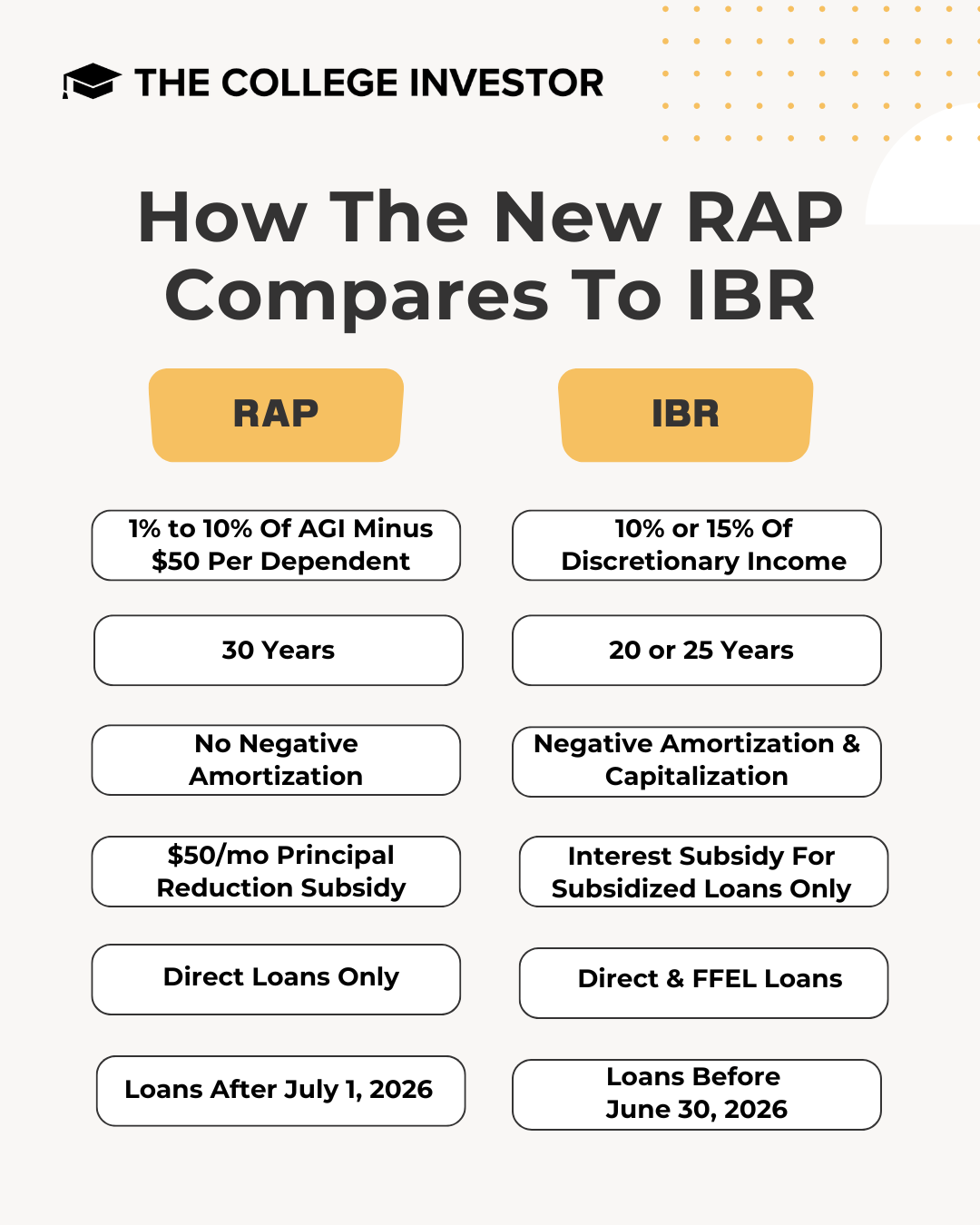
RAP vs. IBR: What Your New Student Loan Bill Actually Costs
The federal government's new Repayment Assistance Plan went live July 1. Here's what the payment formulas actually mean for three different borrowers' monthly budgets.
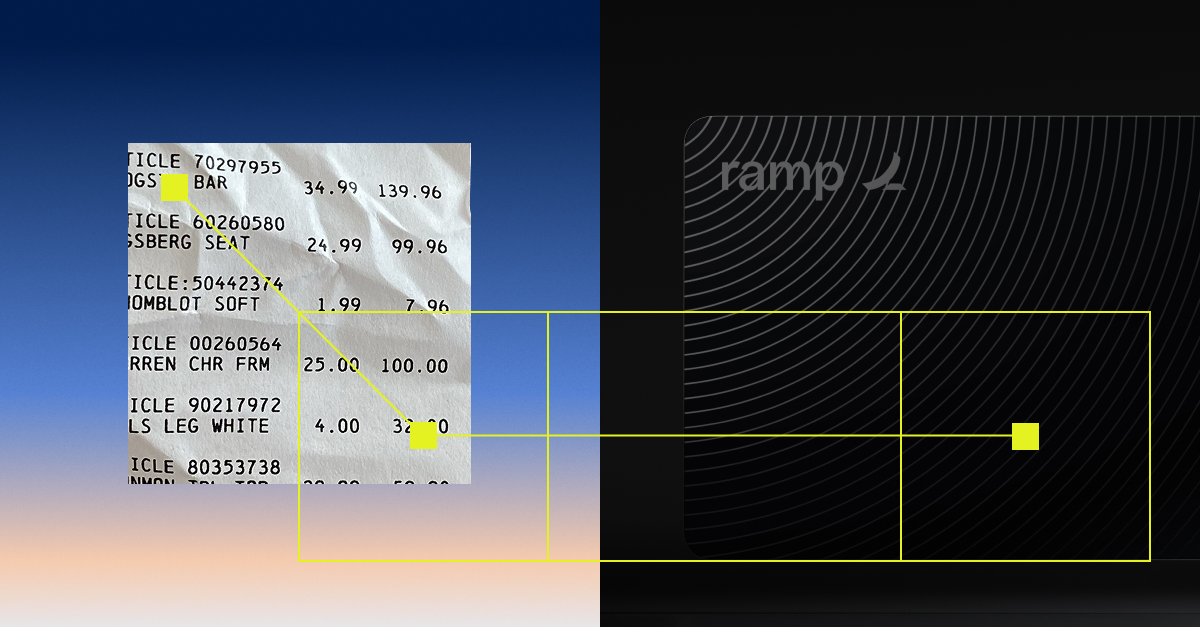
Why a Pending Charge Can Vanish, Then Come Back as a New One
The charge shows up Tuesday morning, vanishes by Tuesday night, and reappears Wednesday looking brand new. Nobody touched the account in between.