Culture

Why the Oscars Banned Hans Zimmer's Dune: Part Two Score
An Academy rule aimed at recycled themes has quietly disqualified some of the best-reviewed film scores of the last two decades, Hans Zimmer's Dune: Part Two among them.

Why Vinyl Records Got So Expensive
A new LP now averages $37, up 24% in five years. Pricier plastic, packed pressing plants, and labels selling the same album in seven colors are why.

Why Movie Subtitles and Dubbed Dialogue Often Don't Match
Subtitles and dubbed dialogue are usually written by two separate translators solving two separate problems, which is why they rarely say the same thing.

Why Hollywood's Movie Raters Are Never Named
A ten-person board decides if your movie is PG-13 or R. Six of them you will never identify. The other four, including its chair since 2019, work in the open.

Why a New Book's "Birthday" Is a Contract, Not a Suggestion
Publishers enforce strict on-sale dates called embargoes for new books -- break one, and a bookstore risks fines, lost shipments, even a lawsuit.
Why the Emmy "Year" Never Matches the Calendar Year
A twelve-month window that runs June to May, not January to December, explains why a hit new show can premiere and still wait a year for its shot at an Emmy.

How the Hollywood Walk of Fame Actually Repairs a Star
Dolly Parton's Walk of Fame star was vandalized days after her death, but the repair itself was already scheduled. Here's how the Hollywood Historic Trust actually fixes a star.
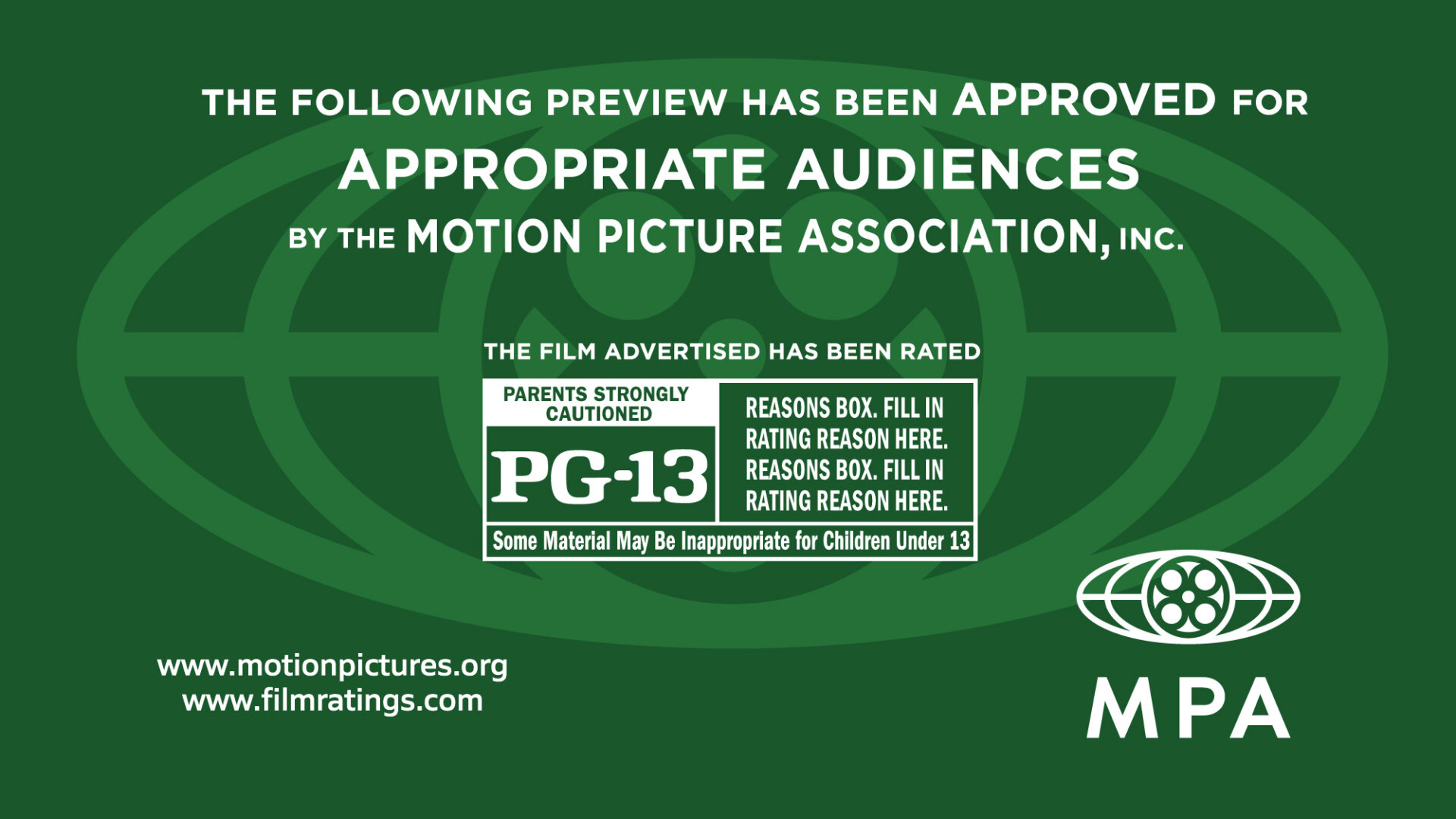
Why a PG-13 Movie in the US Can Be a 15 in the UK
Two ratings boards look at the same cut of film and land in different places, mostly because they weigh violence differently.

Why AMC and Other Theaters Now Run 30 Minutes of Ads
A 2019 ad deal set off a decade-long standoff between theater chains chasing revenue and studios who need people to actually see the trailers.

Why Movie Theaters Are Still So Cold, 100 Years Later
A 1925 Times Square theater bet everything on an untested cooling system and accidentally invented the summer blockbuster. The habit it started never really stopped.
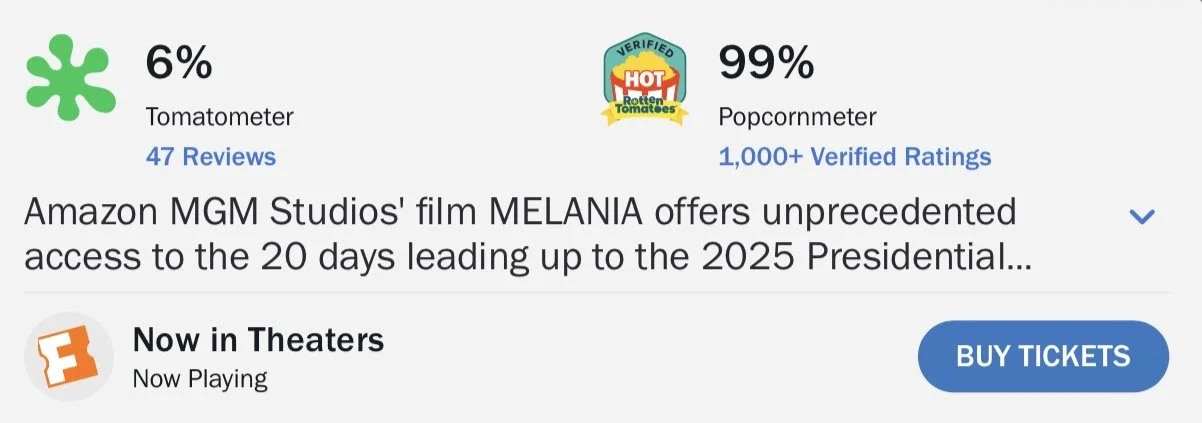
Why Rotten Tomatoes Scores Split Critics From Audiences
The Tomatometer counts positive reviews, not review quality. The audience score averages self-selected fans. When 'Melania' hit a 92-point gap in 2026, both mechanisms were on full display.

How the New York Times Bestseller List Actually Works
A dagger next to a book's name on the New York Times bestseller list means something specific. Here's what actually decides which books make the cut, and why some vanish just as fast.

Why Only 10% of Movie Remakes Beat the Original
Rotten Tomatoes crunched the numbers on 400-plus remakes and reboots, and the verdict is almost uniform: the original usually wins.
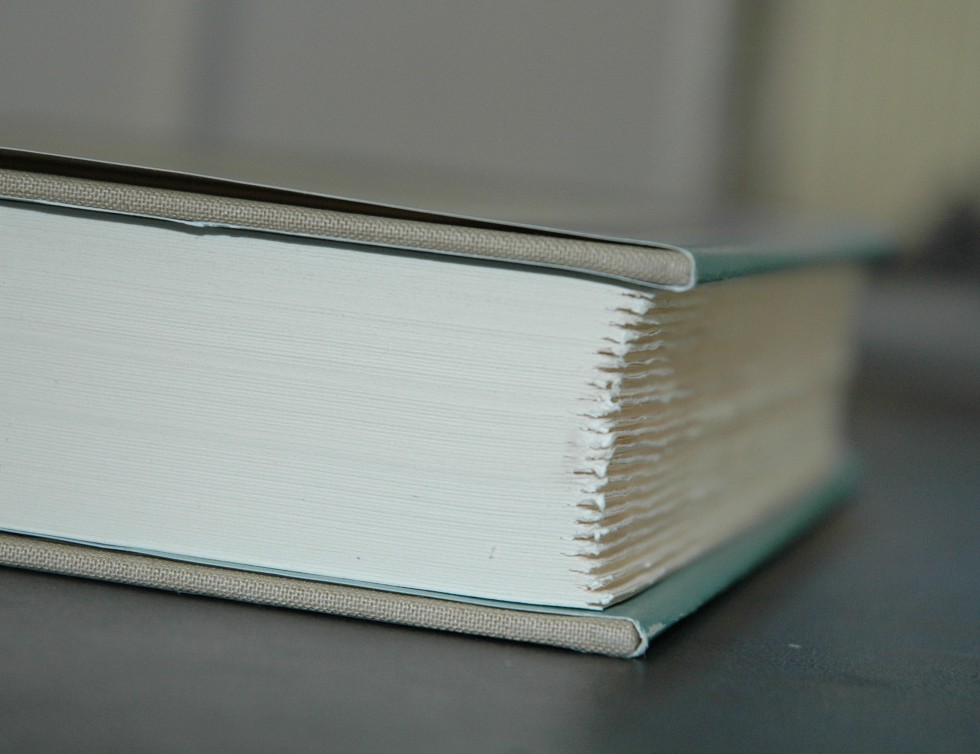
Deckle Edges, Explained: The 'Defect' Publishers Fake on Purpose
The feathered edges on some book pages look like a defect. They're a callback to hand papermaking that collectors have paid extra for since the 1600s.

Why Hotel Key Cards Stop Working, and It's Rarely Your Phone
Blame usually lands on a phone in your pocket, but most hotel key card failures trace back to expiration timers, encoding mistakes and aging locks.

Why Museums Still Ban Your Camera Flash, Even Though It's Harmless
The evidence says a camera flash barely dents what museum lighting already does to pigment each year. The real reasons galleries still ban it are older than digital cameras.

Why Hotels Use All-White Towels and Sheets
White sheets and towels look like a design choice. They're actually a decades-old laundry and branding decision the rest of the hotel industry copied because it worked.
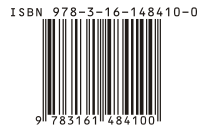
Why Some Books Have Two Different ISBN Numbers
A book carrying two ISBNs usually isn't a printing error. It's either a leftover from the industry's 2007 switch to 13 digits, or separate codes for separate formats.
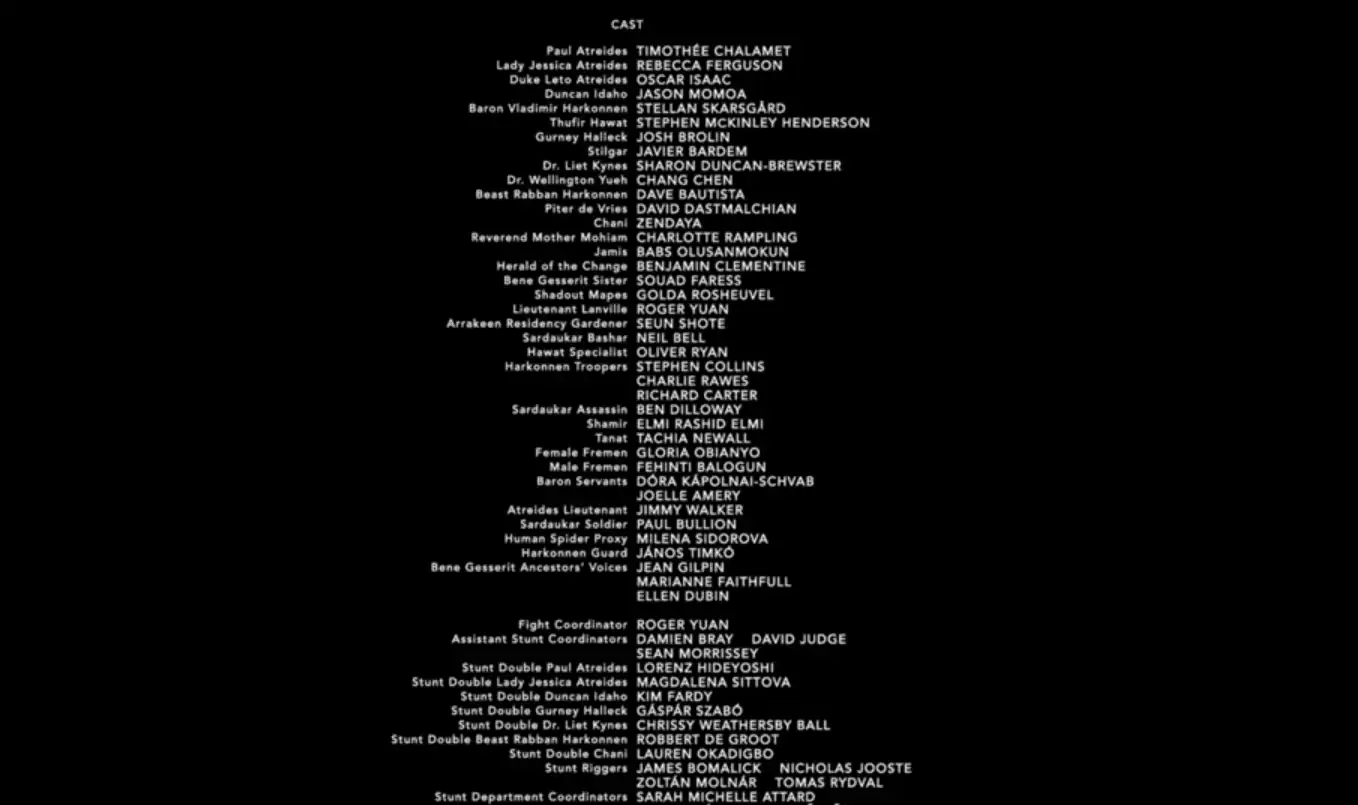
Why Movie Credits Grew From a Single Card to a 10-Minute Scroll
From "The Graduate's" near-silent ending to "Dune's" eight-minute scroll, here's why movie credits ballooned, and why the industry keeps making them longer.

Why Movie Theaters Dim the Lights Slowly, Not All at Once
That slow house-lights fade before a movie starts is not ambience for its own sake. It is borrowed from how rods and cones trade off in your retina, and it happens to be easier on the equipment too.