Climate

Türkiye Says It Still Has Final Say Over COP31
Türkiye and Australia split the COP31 presidency to end a yearlong hosting fight. This week Türkiye's climate minister said the deal doesn't make them equals.

Why Wildfire Smoke Can Smell Like Burning Plastic
The acrid, chemical smell in wildfire smoke isn't your imagination — it's benzene and formaldehyde, and sometimes it's literally burning plastic.

Why California Drains Its Reservoirs Before a Storm Even Arrives
Before a single drop of storm runoff arrives, California dam operators are already emptying space for it. New atmospheric-river forecasting means they can now time that release to the hour.
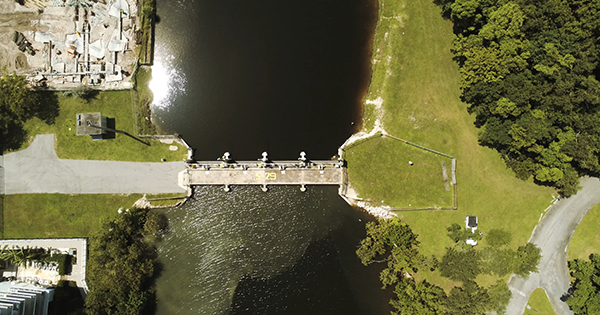
Why King Tides Flood Streets Without a Single Storm
Twice a year, the moon and sun line up to push ordinary high tides over seawalls with no storm in sight, and South Florida just published exactly when it happens next.

What Climate Overshoot Means Now That 1.5°C Is Gone
A new UN report concedes the Paris Agreement's 1.5°C limit will be crossed within years. What happens next is called "overshoot" — and it will shape climate policy for the rest of the century.

Why a Judge Blocked New York's $75 Billion Climate Law
A federal judge sided with 22 Republican state attorneys general to block New York's first-in-the-nation climate superfund fee, ruling the Clean Air Act preempts states from making polluters pay for storm and flood damage.

Why Wind Turbines Sometimes Shut Off on Windy Days
A stationary turbine on a windy day usually isn't broken. It's hit a safety limit, a grid order, or a maintenance window.

Why Balcony Solar Is Still Illegal in Most States, Explained
A 400-watt panel that plugs into a wall outlet like a toaster is one governor's signature away from being legal in California. Most states still haven't caught up.

California's Fire Insurer Just Needed Its Own Bailout
After the 2025 Los Angeles fires, California's insurer of last resort needed a $1 billion rescue, its first since 1993. Homeowners who never filed a claim are footing part of the bill.
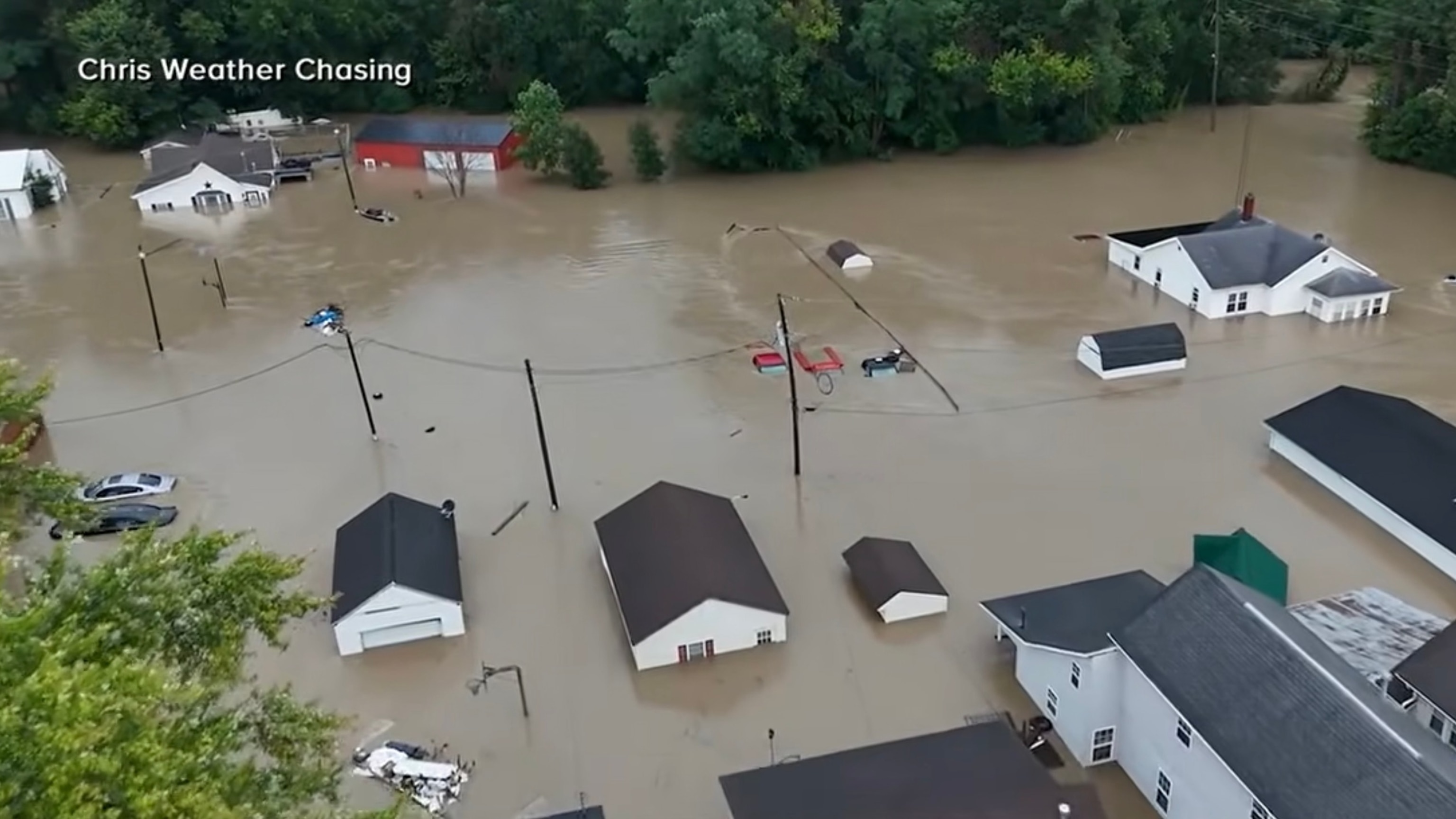
Indiana's Flood Was a 1-in-1,000-Year Storm the Drains Couldn't Handle
Record rain overwhelmed small-town Indiana this month. The bigger story is a stormwater system that earned a D on its last national report card, and a $115 billion repair bill nobody's paying.
Carbon Credits Don't Expire. They Get Retired
A carbon credit doesn't expire like a coupon, it gets 'retired' once and only once. Here's how retirement actually works, and the separate durability question it doesn't answer.

Why Thunder Sometimes Cracks and Sometimes Rumbles
The same lightning bolt can sound like a gunshot or a drumroll depending on how far away it struck. Here's the physics behind both.
Tariff vs. Price Floor: What Trump's New Solar Rule Does
The White House set a 15% tariff on polysilicon and, separately, a hard minimum price. The two tools do very different jobs, and the gap between them explains why solar makers are watching closely.
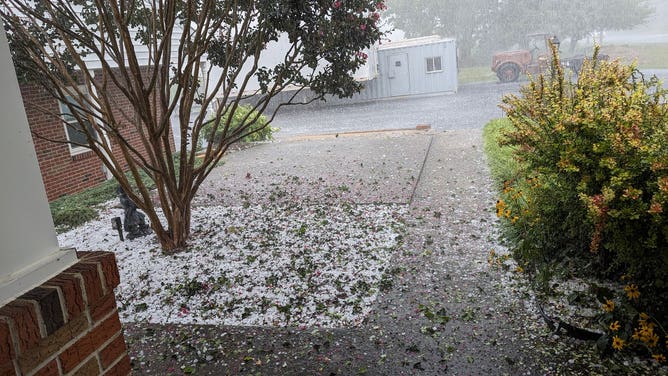
Graupel vs. Hail: The Difference Is in How Cold It Got
It looks like hail and sounds like hail — but squeeze it, and graupel crumbles like styrofoam because it forms almost the opposite way.

Why Your Windshield Frosts Over When It's Above Freezing
Frost can form on a windshield when the forecast still reads in the upper 30s. The gap comes down to where, and how, temperature is actually measured.

Katabatic Winds, Explained: Why Antarctica Is Earth's Windiest Place
Antarctica's interior cools so much that cold, dense air comes crashing downhill toward the coast. Here's how katabatic winds make it the windiest continent on Earth.

Why Do Hurricanes Stall Over Land? The Science, Explained
When a hurricane's steering winds collapse, the storm can sit in place for days, turning a wind event into a flood catastrophe. Here's why it happens.

Why Nighttime Heat Is Rising Faster Than Daytime Highs in US Cities
Cities don't just run hotter than the countryside — they stay hotter after dark, and the nighttime gap is often wider than the daytime one.

Wildfire Preparedness Level 5, Explained: Why the Alarm Just Maxed Out
The U.S. hit the top of its five-rung wildfire preparedness scale on July 18, the first time since October 2024. Here's what Level 5 actually changes on the ground.

Why 20 Different Wildfires Can Share One Name
A wildfire "complex" can bundle dozens of separate blazes under a single incident commander. The federal definition, how names get picked, and why the label says nothing about danger.