Cocoa Prices Crashed. Why Is Halloween Candy Still So Expensive?
Chocolate makers locked in cocoa at last year's prices, retail prices rarely retrace, and the bean market has already bounced back. Here is what that means for your candy bowl.
Cocoa traded above $12,000 a metric ton at its late-2024 peak. By early spring 2026 it had collapsed to roughly $3,300, according to The Associated Press. If candy prices tracked their main ingredient the way gas prices track crude, the bags stacked in the seasonal aisle this month would be a bargain.
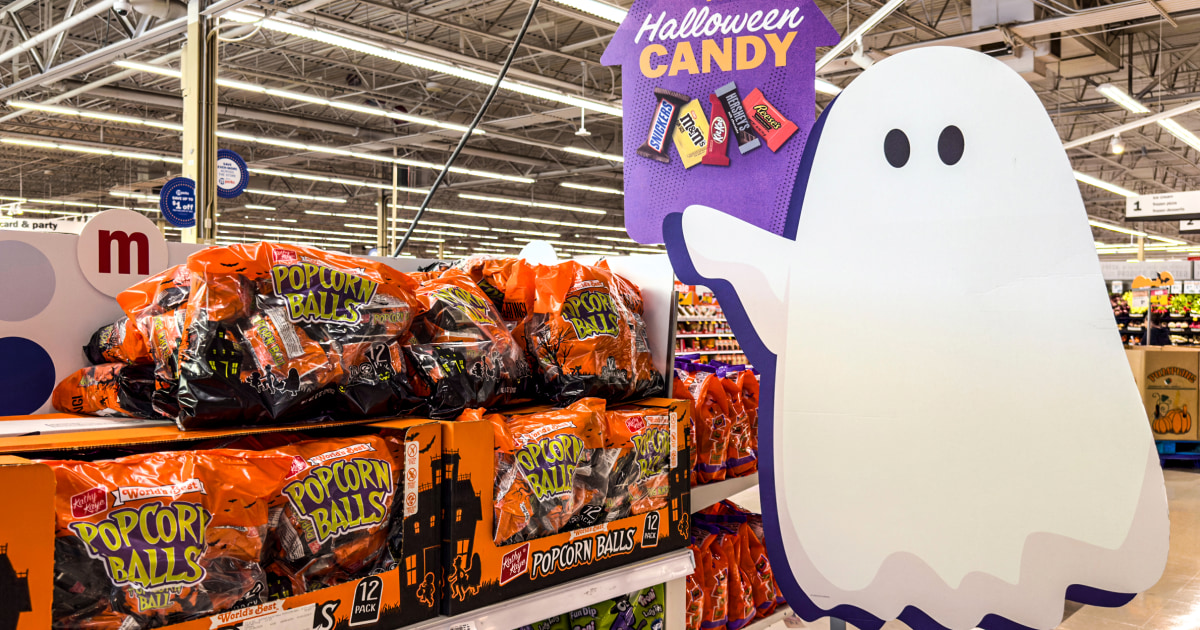
They are not. The US Department of Agriculture's latest Food Price Outlook, updated September 25, puts sugar and sweets prices 6.1% higher in August 2026 than a year earlier and forecasts a 6.6% increase for the full year. Shoppers are paying more for Halloween, not less, in the year cocoa crashed.
The gap is not a conspiracy, and it is not quite an accident either. It comes down to how chocolate makers buy their beans, how retail prices behave once they have gone up, and the fact that cocoa did not stay down.
Why is Halloween candy so expensive this year?
Start with the calendar. The big confectioners do not buy cocoa on the day they make a candy bar. They lock in supply months, sometimes years, ahead through futures and forward contracts, which is what protects them from exactly the kind of price spike the market saw in 2024. The catch is that hedging cuts both ways. As Benzinga's analysis put it, both major chocolate makers hedged most of their 2026 cocoa months ago, at prices above where the market briefly fell, so the spring dip barely reached their income statements.
In other words, the chocolate in this October's fun-size bars was largely paid for at last year's prices. The crash was real. It just happened to someone else's balance sheet first.
Then there is the ratchet. When cocoa spiked, manufacturers raised list prices and shrank packages, and retail prices are notoriously reluctant to retrace. Benzinga's figures show the average US chocolate bar rising from $2.43 in summer 2021 to $3.45 in 2025, a 41% increase, with Hershey variety packs up about 22%. Economists have a name for prices that shoot up and float down: rockets and feathers. Drivers saw the same thing at the pump this fall, where cheaper winter-blend gasoline didn't translate into cheap gas.
Will chocolate prices go down?
Maybe, but the cushion is thinner than the spring headlines suggested. Cocoa has already climbed back off its lows. AP reported that New York futures jumped 7.4% in a single session in early September to $5,490 a metric ton, after forecasts that Ghana's production would fall by at least 16% in the 2026/27 season and Ivory Coast's by more than 10%. Those two countries dominate world supply, so a bad crop there moves the whole market.
That rebound matters because it gives manufacturers little reason to cut shelf prices now. A company that hedged at high prices, watched the market dip and then saw it rise roughly two-thirds off the bottom is not going to bet its margins on cocoa staying cheap.
And the stakes differ by company. Benzinga estimates cocoa at roughly 20% of Hershey's cost of goods and about 10% of Mondelez's, which is why a cocoa windfall would show up faster at the former than the latter. Neither is promising one. Hershey's 2026 outlook calls for net sales growth of 4.5% to 5%, built on pricing and productivity rather than any cocoa giveback.
Why is there less chocolate in the Halloween bag?
The most visible effect of three expensive years is not on the price tag. It is in the mix. Chocolate's share of Halloween candy volume has slipped from 52% to 44%, according to Benzinga, and the per-pound gap explains why: $8.02 for chocolate candy against $5.77 for non-chocolate.
The AP's look at the candy aisle found the same long drift. Chocolate accounted for 51.7% of American confectionery spending last year, down from roughly two-thirds a decade ago, while non-chocolate candy's share has grown from about one-third in 2015 to 40.9% in 2025. Gummies and sour candy are not just a trend among kids. They are a cheaper way to fill a bowl.
Premium makers are feeling it too. AP reported that Lindt raised prices 11.8% group-wide and saw chocolate sales volume fall 7.5% in the first half of the year.
Shoppers are spending anyway
None of this has dented the holiday itself. The National Retail Federation's annual Halloween survey, released September 22, projects record spending of $13.5 billion, including $4.1 billion on candy, or $115.14 per person across all categories.
"Consumers continue to make Halloween a spending priority, but they are also approaching the season with affordability in mind."
Allison Zeller, NRF vice president of industry and consumer insights
Affordability in mind looks a lot like what grocery shoppers have done all year, trading down to store brands at a record pace and buying the mixed bag instead of the all-chocolate one. The season also opens early on store shelves, much like the pumpkin spice calendar, which leaves room to wait for a promotion rather than buy the first bag you see.
The practical takeaway for anyone filling a bowl this month is modest but real. The cocoa crash will not show up as a lower sticker price this Halloween; the earliest place to look for it is in deeper discounts, bigger promotional packs and post-holiday markdowns, if the futures market stays calm long enough for cheaper beans to work through the hedges. If Ghana's harvest disappoints as forecast, even that may wait until Easter.