Marcus Hale

Russia's Diesel Pledge vs. U.S. Demand: 4.8 Million Tons, 10 Days
Treasury's new diesel license runs 180 days with no tonnage, price or loading cutoff. How much fuel actually moves is decided by Russia's own export ban and by refineries Ukraine keeps hitting.

What the PERM Suspension Means for Workers at Each Green Card Stage
H-1B status is untouched, but the green-card line now stalls at different points. The extension clock still counts from when a PERM was filed, while certified cases face a 180-day deadline to reach USCIS.

Inside DHS's $70,000 OPT Fee Rule: Schools Pay, Treasury Keeps It
DHS's own math charges even STEM extensions the full $70,000 in the rule's first year, and every dollar of the estimated $12.4 billion a year would go to the general Treasury, not ICE.
Why the Federal Fiscal Year Starts Oct. 1, and Why It Rarely Helps
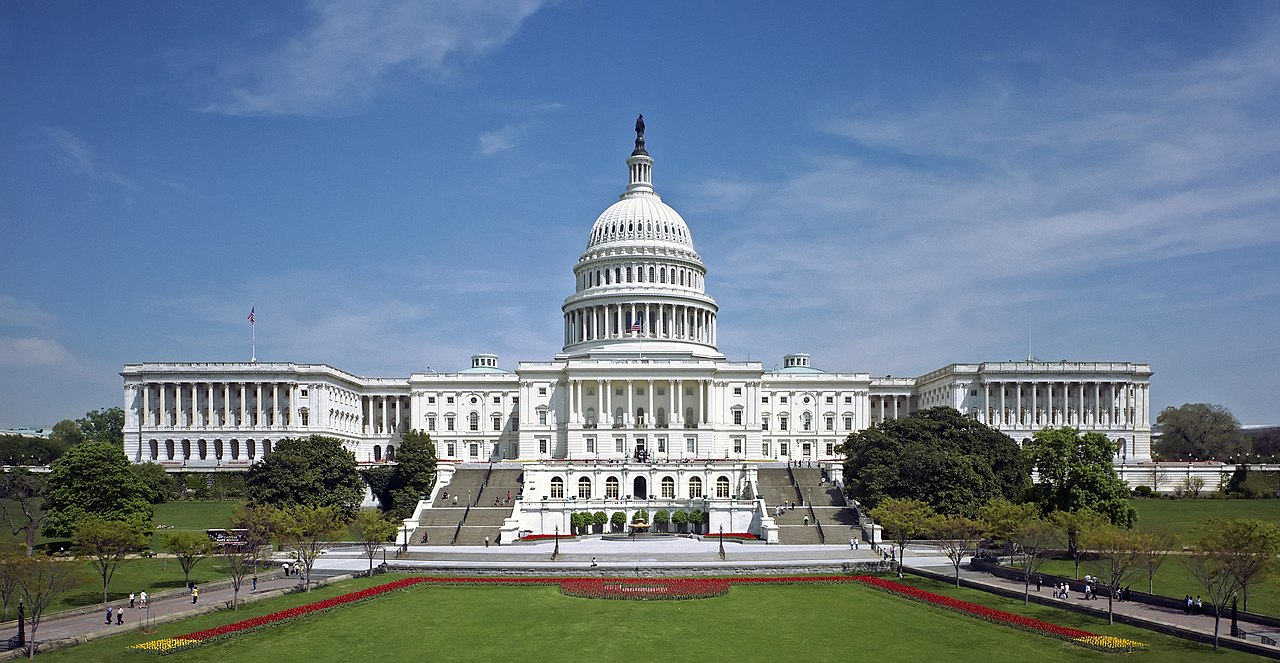
Congress moved the fiscal year to October 1 in 1974 to buy itself three more months. Fiscal 2027 began this month on a stopgap anyway.

Why Some Federal Agencies Never Close During a Shutdown
A government shutdown doesn't switch off the federal government. It switches off only the parts Congress funds one year at a time.
Congress Beat the Shutdown Deadline. It Still Hasn't Passed a Budget.
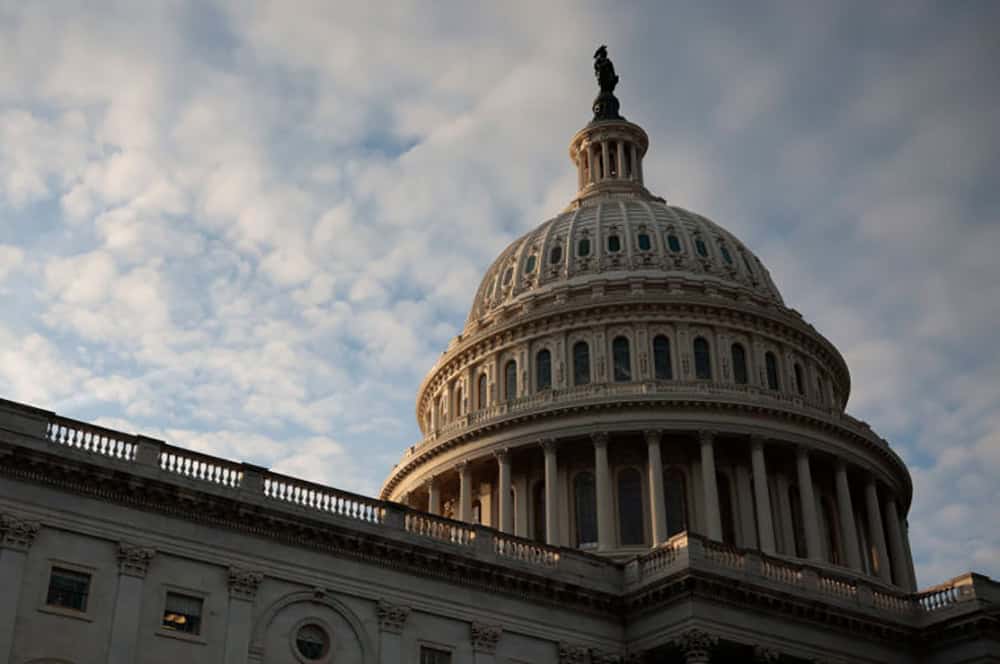
The House and Senate funded the government a month early this year, but the fix was the same one Congress has used 141 times since 1998: a continuing resolution, not a budget.

Why Virginia and New Jersey Elect Their Governors in Odd Years
Virginia, New Jersey, Kentucky, Louisiana and Mississippi elect governors on a calendar built, in part, to keep the electorate smaller. It still does.

Why New Members of Congress Still Draw Lots for Their Office
No seniority, no vote, just a numbered chip pulled from a wooden box. That's how the House has decided which freshmen get a good office since 1908, and this November's class draws again.

Why Trump Can't Just Fire a Federal Reserve Governor
The Federal Reserve Act lets a president remove a governor only "for cause." That standard, paired with 14-year staggered terms, is why Trump's second attempt to oust Lisa Cook faces the same wall as his first.

Why USPS Just Lost the Power to Raise Stamp Prices Twice a Year
A federal regulator capped USPS to one mail price increase a year through 2030, reversing a five-year run of twice-yearly hikes that still left the agency $9 billion short.

Public Charge, Explained: What Changes for Green Cards on Sept. 18
The Department of Homeland Security has scrapped the rule that limited how immigration officers weigh public-benefit use in green-card decisions — and wider discretion returns Sept. 18.

Why Trade Retaliation Lists Always Include Bourbon
When trade wars escalate, the retaliation list is never random — it's aimed at specific industries and the politicians who represent them.
Sunset Clauses, Explained: The Law That Expired but Didn't Stop
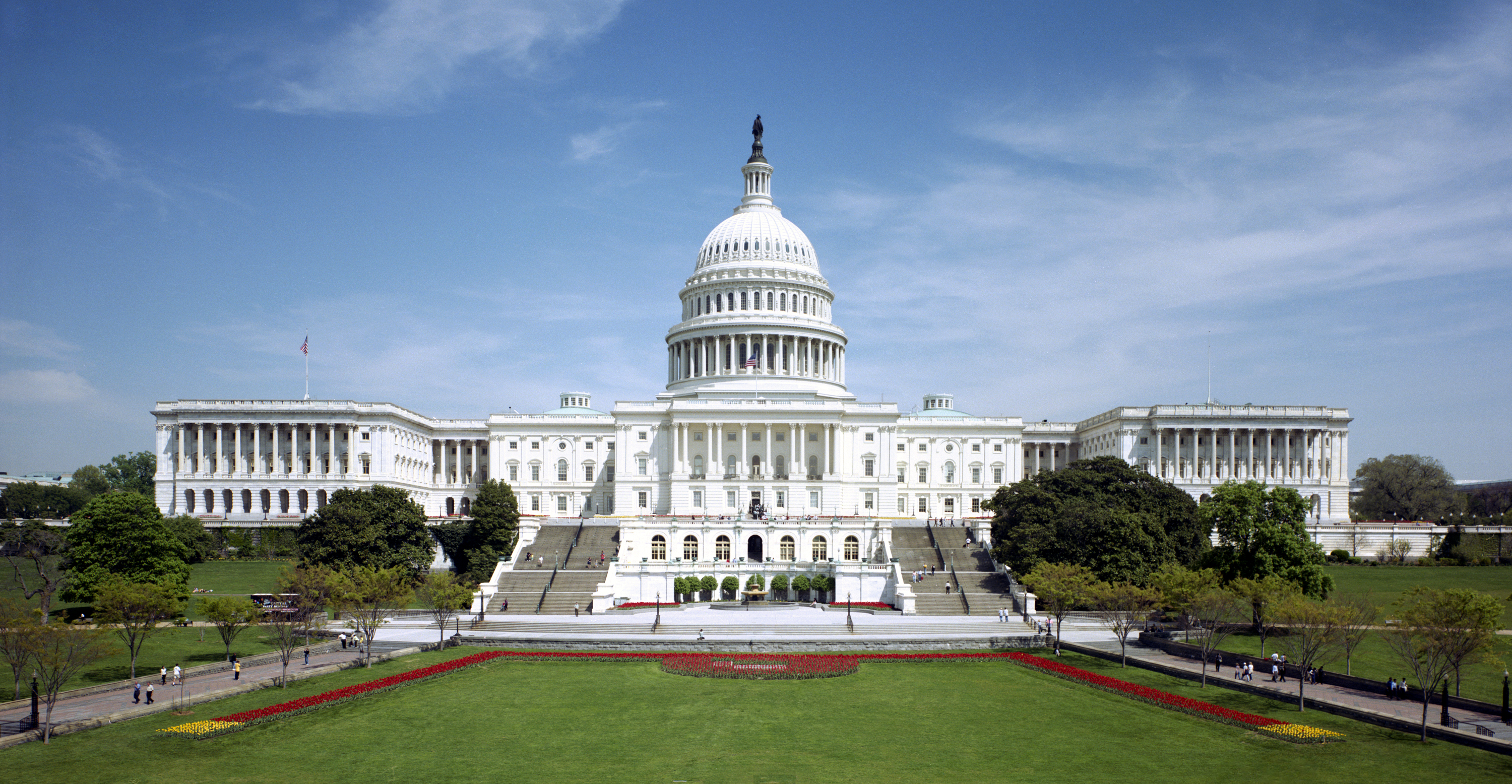
A federal surveillance law expired in June 2026 and the surveillance kept running anyway. Here's how sunset clauses actually end, or don't end, a law.

Why 'Impeach This Judge' Threats Almost Never Work
The House has impeached only 15 federal judges since 1803, all for crimes like bribery or perjury. A 2025 wave of impeachment threats over rulings broke that pattern.

The 1934 Law That Makes Your Mailbox Off-Limits
Congress made your mailbox federal territory in 1934, and the law criminalizing unstamped flyers is now central to the fight over privatizing the Postal Service. Here's what 18 U.S.C. 1725 actually says.

Mid-Decade Redistricting, Explained: Why It's Suddenly Everywhere
Mid-decade redistricting used to happen about twice a generation. In the last year alone, five states did it. Here's the mechanism behind the current fight for the House.

Continuing Resolution vs. Omnibus Bill, Explained
A stopgap isn't a budget. Here's the mechanical difference between the funding patch the Senate just passed and the appropriations fight still unresolved behind it.
The Antideficiency Act, Explained: The Law Behind Every Shutdown
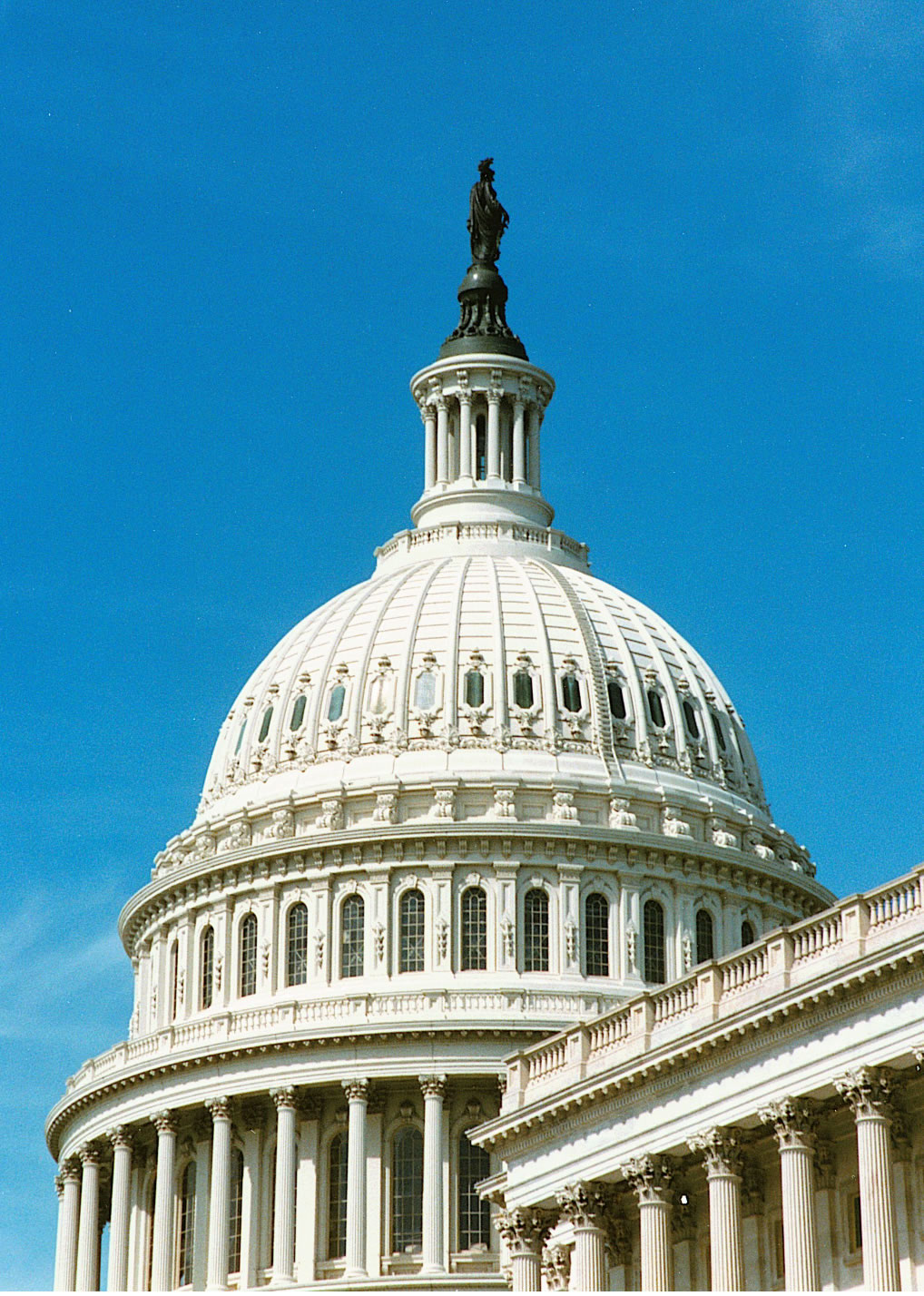
A 155-year-old law, not politics, is what actually forces agencies to furlough workers the moment government funding lapses.

Pro Forma Sessions, Explained: How Congress Blocks Recess Appointments
A senator gavels the Senate in, says nothing, gavels out — and that ritual is enough to strip a president of the power to fill vacancies without Senate consent.
House and Senate Passed Different Bills to Avoid the Same Shutdown
The House and Senate each passed their own plan to avoid a fall shutdown -- but the bills set different deadlines and disagree on Border Patrol funding.