Priya Raman

Amex's $350 Million Fine Is About 10 Days of Profit. The Orders Go Further
While suspect money moved through its cards for about 11 years, American Express's bank aimed its money-laundering risk assessment at a small deposit business. Now an outside consultant must re-examine its past suspicious-activity reporting, a review the OCC can widen, though regulators imposed no asset cap.

Tariffs Added 2.9 Points to Goods Inflation, About 0.6 to All Prices
The 2.9 points measures 67 goods categories, about a fifth of the basket, against less-exposed goods in February. Across a whole budget it works out to about 0.6 points (0.8 if all goods behaved alike), or roughly $320 to $460 a year for an average household by Daybreak Wire's arithmetic.

Real Rates, Not Inflation Bets, Drove the 10-Year Yield to a 2002 High
Oil gets the blame for the highest bond yields since 2002. The Treasury's inflation-protected yields show the market is charging more for money itself, which leaves mortgage rates little room to fall.

What Happens to Unused FSA Money: Grace Period vs. Carryover Rules
Money left in a health FSA when the plan year ends is forfeited unless your employer allows a carryover or a grace period. The IRS ceilings are $3,400 to contribute and $680 to roll over in 2026.

The Rule That Was Supposed to Make Canceling Subscriptions Easy Is Stuck
The federal rule meant to make canceling a subscription as easy as signing up for one has been dead for over a year. The fines haven't stopped.

Why Eggs Are So Cheap Right Now, and Who Is Paying for It
A rebuilt flock and softer demand turned the 2025 egg shortage into a glut. Shoppers are winning; many of the farms producing those eggs are not.
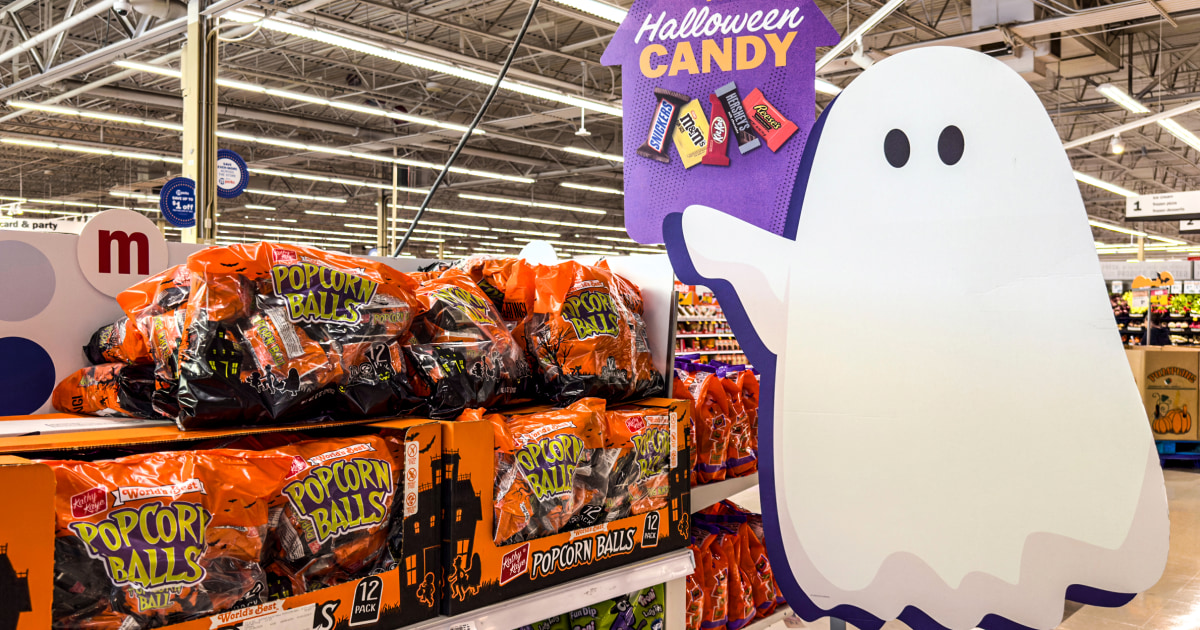
Cocoa Prices Crashed. Why Is Halloween Candy Still So Expensive?
Chocolate makers locked in cocoa at last year's prices, retail prices rarely retrace, and the bean market has already bounced back. Here is what that means for your candy bowl.

Winter-Blend Gas Is Here. Why Hasn't It Made Gas Cheap?
The fall switch to winter gasoline shaves real cost off every gallon. This year, it is being swamped by crude oil near $90 a barrel and a record September at the pump.

Why Cruise Ships Don't Fly the American Flag
Nearly every major cruise line is incorporated in Panama, Liberia or Bermuda, with ships flying Panama, Bahamas or Maltese flags instead of the Stars and Stripes. It's a structure worth billions in avoided U.S. tax, and it sets the wages of the crew who serve you.
Why the Social Security COLA Is Announced in October
Social Security's 2027 raise won't be announced until Oct. 14 — not because of red tape, but because the law requires inflation data that doesn't exist yet.

Why Some Countries Require a 13th Month of Pay by Law
In Manila the bonus is guaranteed by a 1975 law. In Memphis, it's whatever the employer feels like giving. Here's why the gap exists.
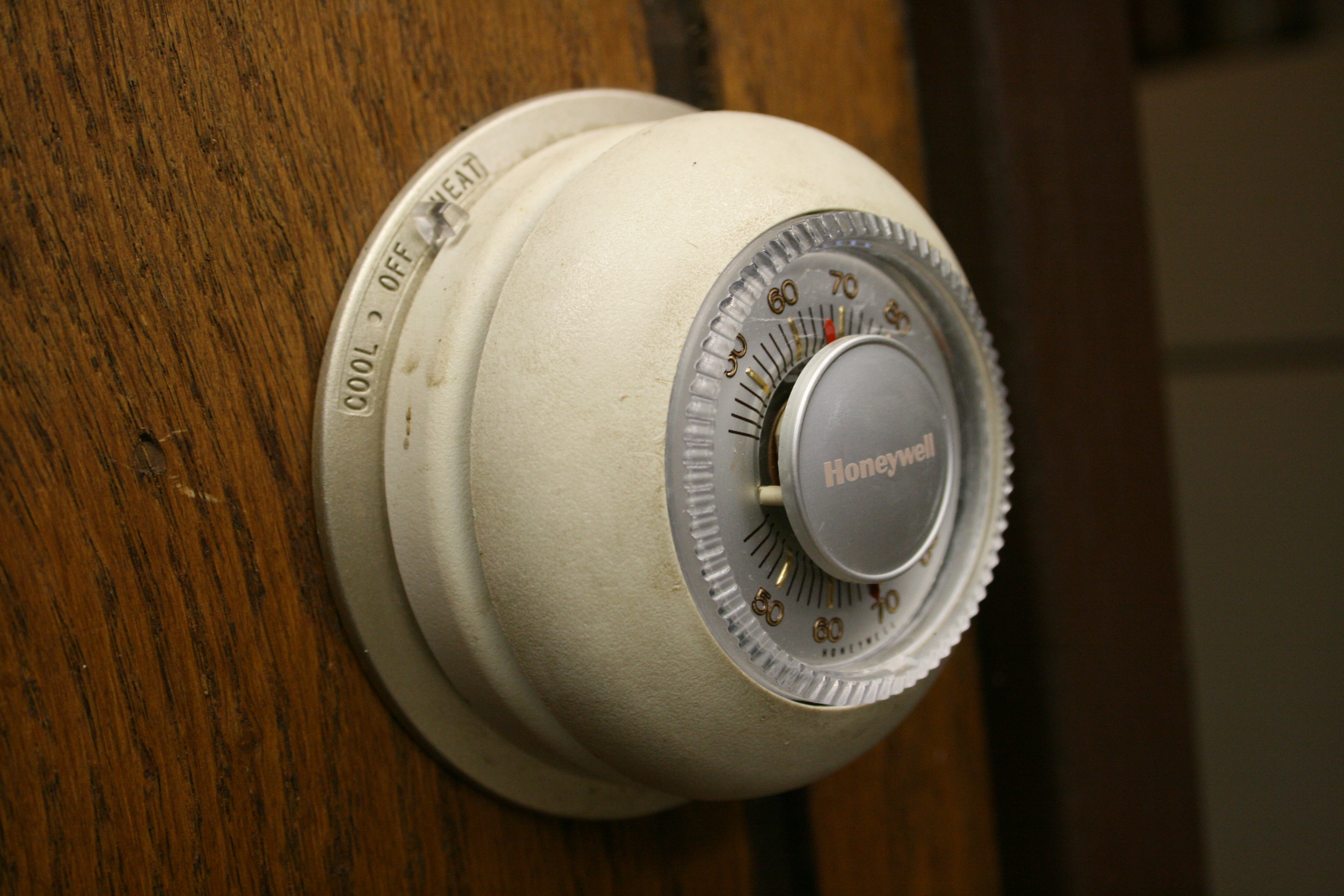
Why No Office Thermostat Setting Ever Satisfies Everyone
The fight over the office thermostat has a real physiological and historical explanation, and it isn't just personal pickiness.
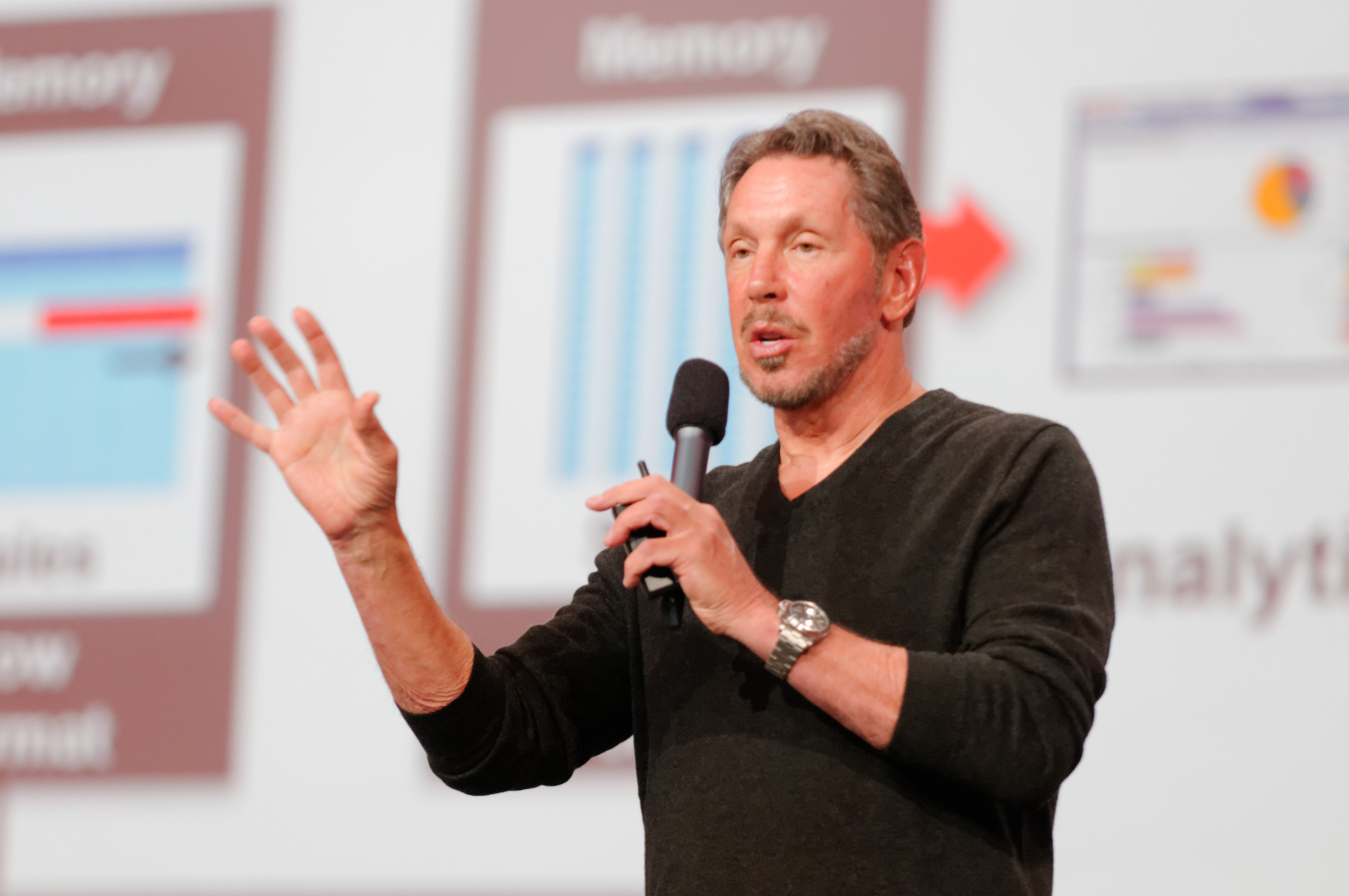
Why Larry Ellison's Scrapped $7.5 Billion Stock Sale Was Never a Secret
Larry Ellison's $7.5 billion Oracle stock-sale plan lasted one day in public view before he canceled it — a sequence only possible because of a decades-old SEC disclosure rule.
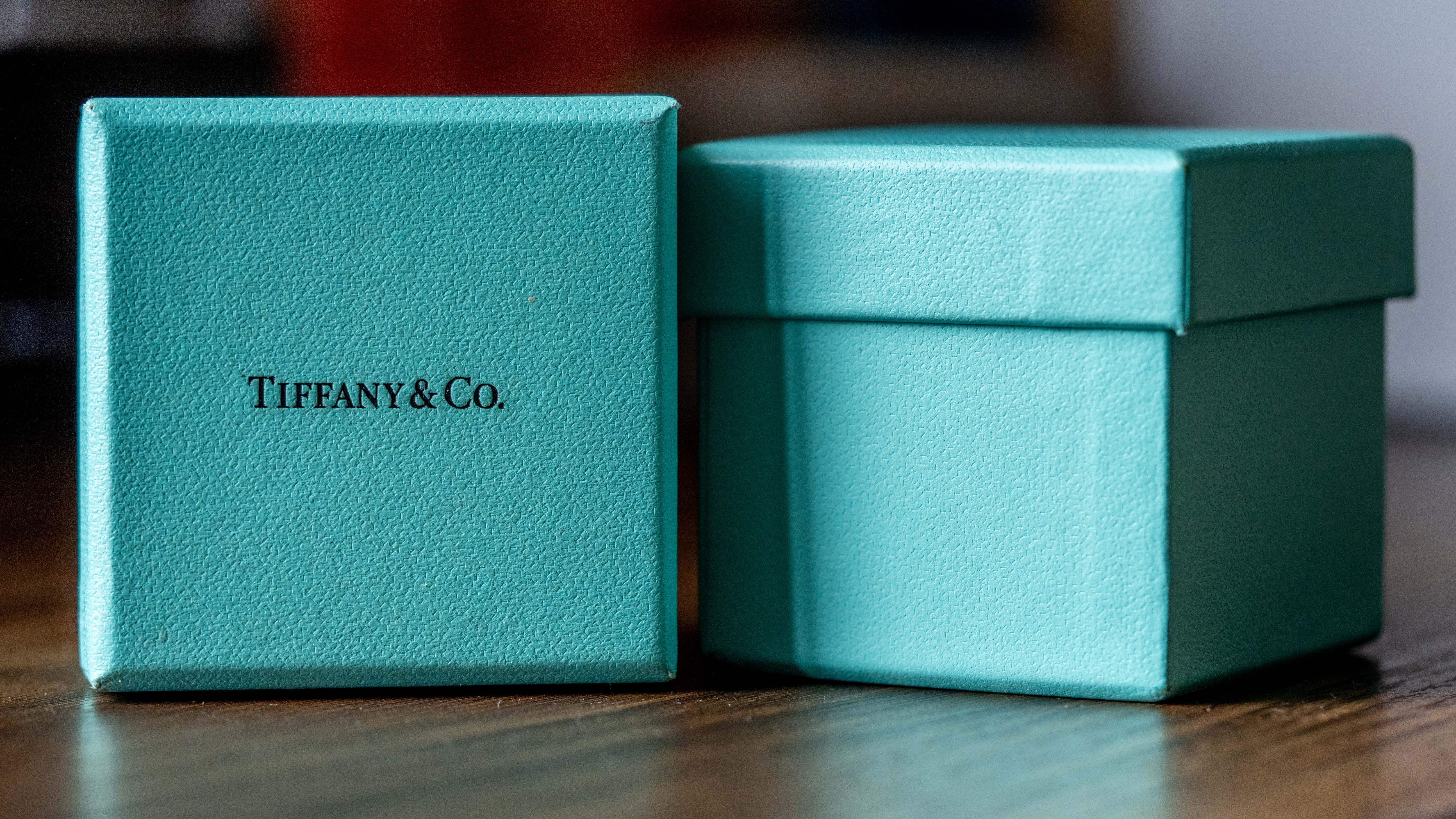
Why Tiffany & Co. Can Legally Own the Color Blue
A 1990s Supreme Court case about dry-cleaning equipment set the legal test that lets Tiffany, UPS and T-Mobile each claim a single color as their own.

Why You Can Still Get Burned by a Rental Car's Fuel Policy
Rental car fuel policies are built to collect for gas you didn't use -- from EZFuel's flat fees to inflated per-gallon refill prices at drop-off.
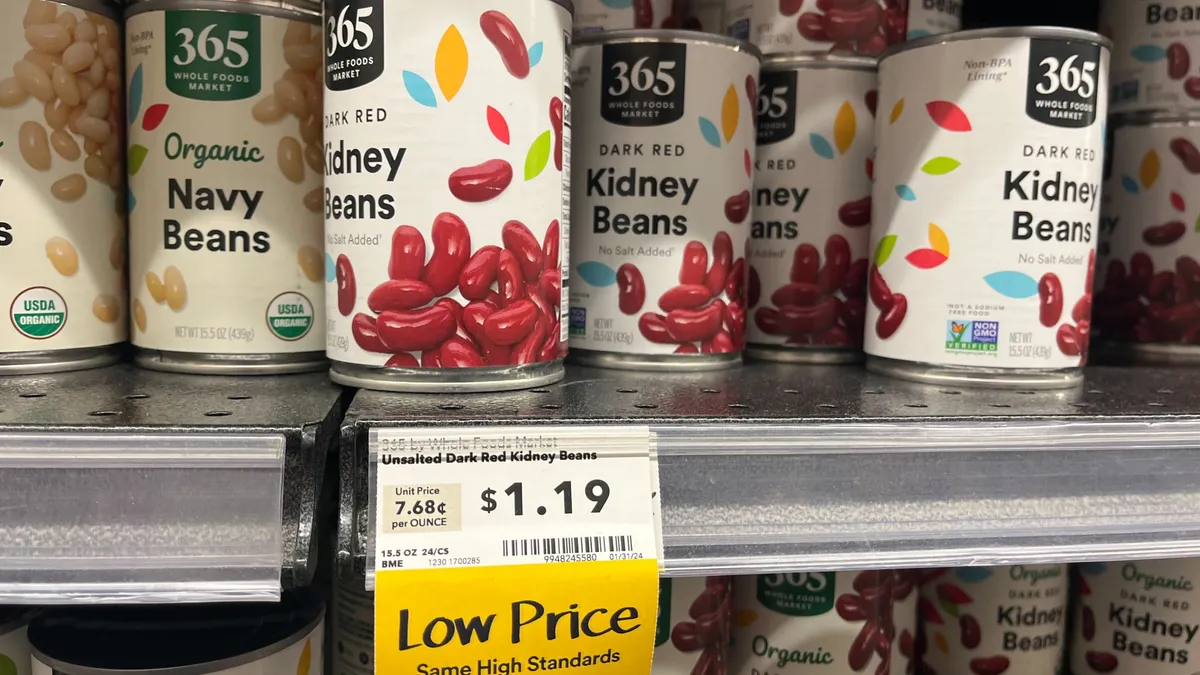
Why Store Brands Just Grabbed a Record Share of Your Grocery Cart
Private-label groceries hit a record 21.3% of US dollar sales in 2025, growing nearly three times faster than national brands — and grocers are betting the shift is permanent.

Why Japan's Business Year Starts in April, Not January
A 19th-century cash crunch forced Japan to shorten its fiscal year and move the start to April. The fix outlived the crisis, and now governs hiring, school terms and earnings season for the world's fourth-largest economy.

Why a $7.85 Million Sony Settlement Won't Feel Like $7.85 Million
Sony's PlayStation Store settlement covers more than 4.4 million people, and up to a quarter of the $7.85 million goes to legal fees before anyone gets paid — a pattern that explains why most class-action payouts amount to pocket change.

Why Your DoorDash Delivery Time Keeps Moving After You Order
DoorDash and Uber Eats don't show a fixed delivery time -- they show a live prediction that updates itself repeatedly, and the model behind it is doing real engineering work.

Why Job Postings List Such Wide Salary Ranges
Pay transparency laws forced companies to publish salary ranges. Few laws say how wide those ranges can be, and research shows women pay the price.