DR Congo's Ebola Toll Hits 377 Deaths as Outbreak Spreads
With 1,307 confirmed cases and a fourth province affected, the DRC's Bundibugyo outbreak is the fastest first month for Ebola on record in Africa.
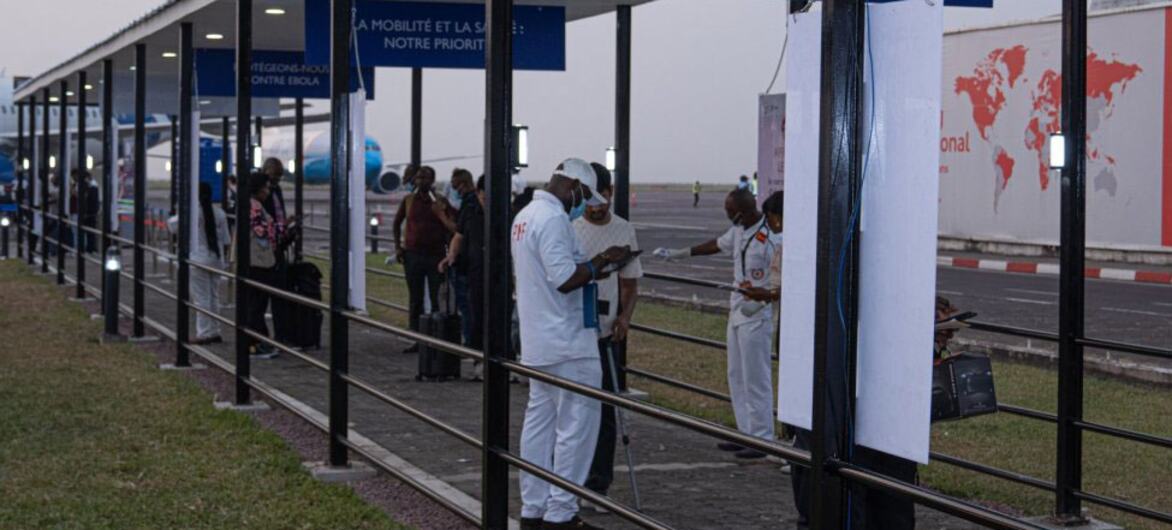
The Democratic Republic of the Congo now counts 1,307 confirmed Ebola cases, including 377 deaths, and the outbreak has reached a fourth province, according to an official update reported by Al Jazeera, citing the AFP and AP news agencies.
The confirmed cases have been recorded across Ituri, North Kivu and South Kivu, the DRC said in an update issued late Monday. A case has since been detected in Haut-Uele, which borders South Sudan and the Central African Republic; a person who travelled there from Bunia, the capital of Ituri, later died, health sources told AFP. With that spread, the country's entire northeast, home to about 15 million people, is now affected. Ituri, the epicentre, is the same region we reported on when the response was escalated to its highest level and when the first case reached France.
This is the country's 17th Ebola outbreak, declared on 15 May, and it is caused by the Bundibugyo species of the virus, for which there is no licensed vaccine or specific treatment, though candidates are being tested. What has alarmed responders is the pace. As of 22 June, the World Health Organization counted 1,048 confirmed cases and 267 deaths, and its emergencies official called it plainly.
"This is the largest number of confirmed cases in the first month of an Ebola disease outbreak in Africa."
Dr Abdirahman Mahamud, WHO Health Emergencies, speaking to reporters in Geneva
The comparison he drew makes the speed concrete. It took just 37 days for this outbreak to reach 250 deaths, the WHO said, against 78 days in the 2014–2016 West Africa epidemic and 130 days in the 2018–2019 outbreak.
The response has scaled with the numbers, if not ahead of them. Treatment beds went from a handful to more than 500 across 19 health zones over two weeks, and laboratory capacity rose from 30 tests a day in Kinshasa to over 2,000 a day through eight decentralised labs, the WHO said. The International Organization for Migration reported screening more than a million travellers, while warning of a roughly $35 million funding gap.
Much of the transmission traces to funerals, where mourners handle the bodies of the highly infectious dead, and to a deficit of trust that has turned dangerous. Treatment tents were set on fire by a crowd last month, an Al Jazeera correspondent reported from Ituri, and aid workers describe rumor and fear complicating safe burials. On Saturday the government banned public gatherings in four provinces, including Kinshasa, a measure issued shortly before a planned 8 July protest against constitutional reform. Opposition figures have called the timing "politically motivated," a claim the government has not addressed in the health guidance itself.
For readers far from Ituri, the honest summary is a mixed one. A fast, vaccine-less strain is still outrunning parts of the response, but testing and treatment capacity are climbing, and the outbreak remains concentrated in a defined, if large, corner of central Africa. The number that will tell the story next is not the case count but the pace of new deaths, and whether the gap between spread and response finally narrows.
WHO Director-General Dr Tedros Adhanom Ghebreyesus on the DRC Ebola outbreak