Did Yellowstone's Wolves Really Reshape the Park? A Study Pushes Back
The famous claim that returning wolves healed Yellowstone from the top down rests on a 1,500% willow figure that a new analysis calls a modeling artifact.
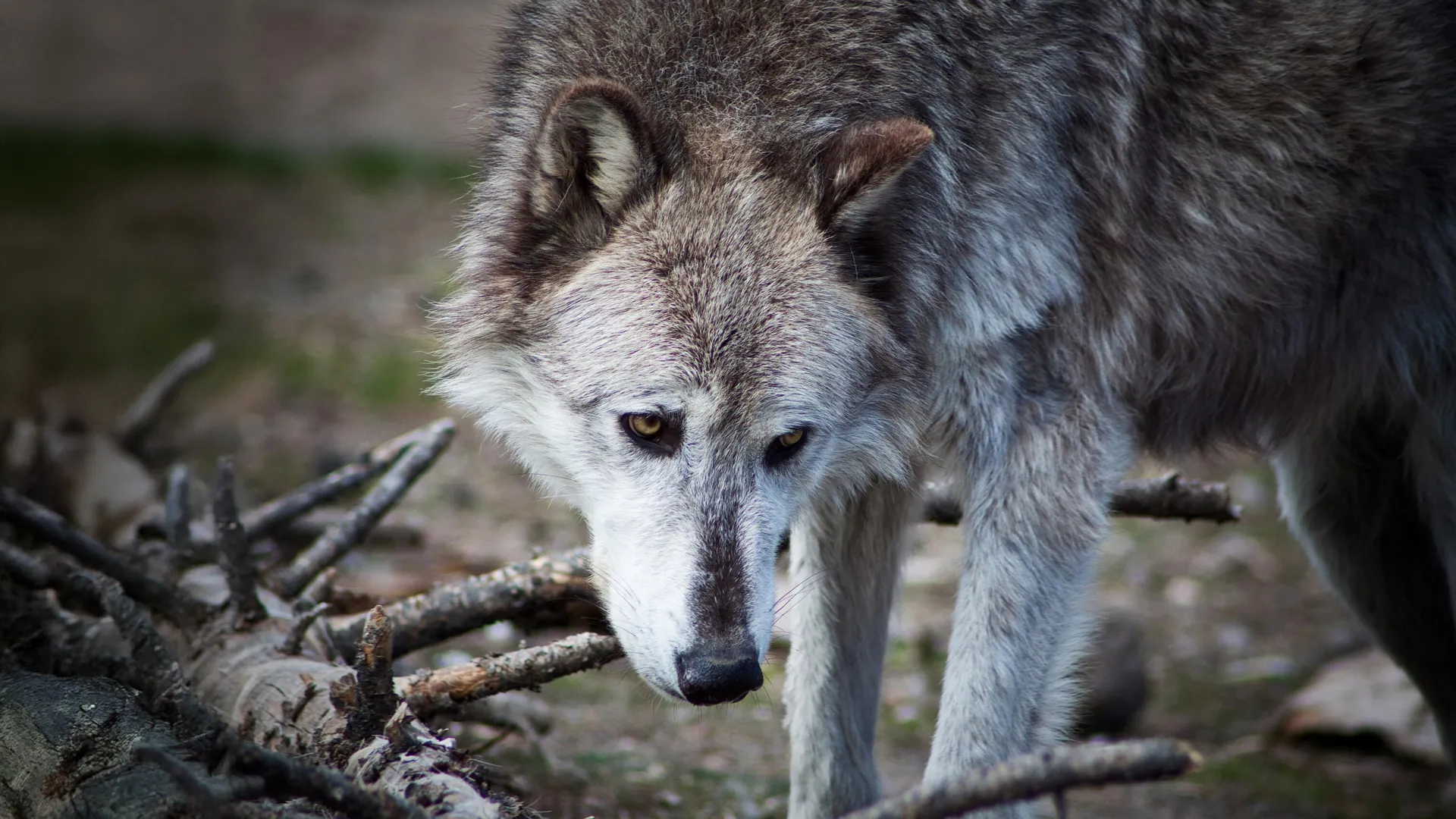
It is one of the most repeated stories in modern ecology: wolves return to Yellowstone, elk stop lingering in the open, willows and aspen rebound, and a whole landscape heals from the top down. A new analysis says the story’s most dramatic numbers do not hold up.
Writing in Global Ecology and Conservation, ecologists from Utah State University and Colorado State University argue that a high-profile 2025 study badly overstated how much the wolves’ 1995 return reshaped the park. Their target is a headline figure, a reported 1,500% jump in willow crown volume, which they say is an artifact of how the original model was built rather than evidence of a transformed ecosystem.
The problem, the authors say, is circularity. The disputed model used a willow’s height both to calculate its volume and to predict it. “Because height was used both to compute and to predict volume, the relationship is circular, mathematically guaranteed to look strong even if no biological change occurred,” said lead author Daniel MacNulty, a wildlife ecologist at Utah State.
The critique does not stop there. The height-to-volume formula, MacNulty’s team writes, was applied to heavily browsed willows with distorted shapes it was never designed for, likely inflating growth estimates. Many of the willow plots compared between 2001 and 2020 were not the same patches of ground, so apparent change over time may reflect where researchers measured rather than what actually grew. And comparisons with famous trophic cascades elsewhere leaned on equilibrium assumptions that do not fit a park still lurching back from a century without wolves.
Strip those issues out, the authors conclude, and the evidence points to a smaller, patchier effect shaped by water, browsing and local conditions, not a park-wide green wave. “Once these problems are accounted for, there is no evidence that predator recovery caused a large or system-wide increase in willow growth,” said co-author David Cooper of Colorado State. The reframing also explains a long-running puzzle: why the team that actually collected two decades of field data, Hobbs and colleagues in 2024, reported only weak cascade effects, while the 2025 reanalysis found one of the strongest on Earth.
None of this means the wolves did nothing, and the authors are careful to say so. “Our goal is to clarify the evidence, not downplay the role of predators,” MacNulty said; the effects, he added, are “real but context-dependent.” What the fight is really about is how a tidy, satisfying story, the kind that launches TED talks and viral clips, can outrun the messier data beneath it. Predators matter. So, the critics insist, do the methods used to prove it.