Inflation Hit 4.2% in May, Lifting the 2027 Social Security Raise
May's Consumer Price Index rose 4.2% from a year earlier, the most since 2023. A gasoline surge drove it, and the squeeze lands first on fixed incomes.
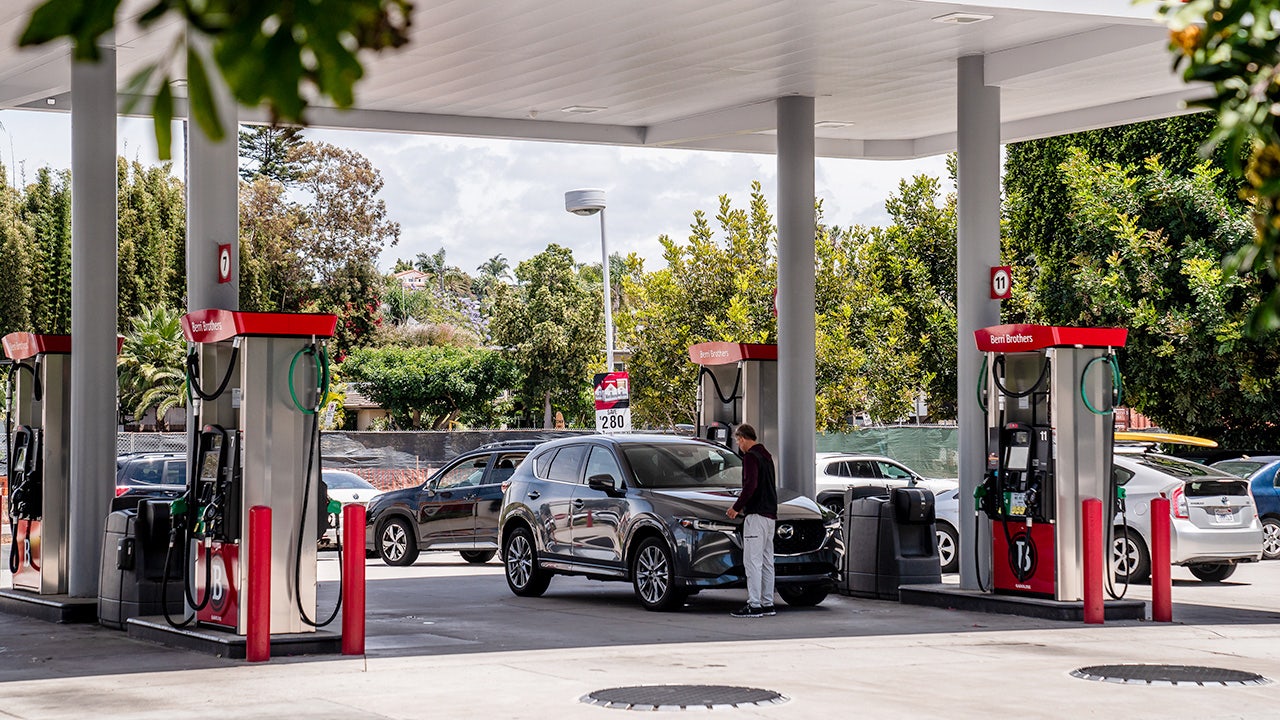
The price of filling a tank did most of the damage. Gasoline cost 40.5% more in May than it did a year earlier, and that single line in Wednesday's inflation report dragged the cost of nearly everything else up with it. The Consumer Price Index rose 4.2% over the 12 months through May, the Bureau of Labor Statistics reported on June 10, the steepest annual reading since April 2023 and a number that lands first on the people who can least absorb it.
For a retiree living on a fixed Social Security check, a commuter who drives to a warehouse shift, or a parent already shaving items off the grocery list, 4.2% is not an abstraction. It is the gap between what the paycheck covered last year and what it covers now. The headline figure climbed from 3.8% in April, and the move was almost entirely about energy: the BLS said the energy index alone accounted for more than 60% of the month's increase.
Strip out the volatile stuff and the picture is calmer. Core inflation, which excludes energy and food, ran at 2.9% over the year and rose just 0.2% on the month, a touch below what economists had penciled in. That split is the whole story of this report. The economy's underlying price pressure is roughly where the Federal Reserve wants it. The pain at the register is coming from a barrel of oil and the war that spiked it.
Where the money actually went
Energy prices rose 3.9% in May and are up 23.5% over the year, a surge the BLS and the outlets covering it tied to the Iran war's disruption of Middle Eastern oil. Gasoline did the heavy lifting, up 7% in a single month. Airfares climbed 2.7% for the month and 26.7% over the year, so the summer trip costs more too. Electricity, the bill nobody can opt out of, rose 5.9% from a year ago.
Food was the quieter half of the household budget. Grocery prices ("food at home" in the BLS ledger) rose 0.1% in May and 2.7% over the year, while eating out got 3.5% pricier. Inside the cart, the swings cut both ways: beef and veal fell 1.6% on the month but remain 12.9% higher than a year ago, and egg prices, the symbol of the last inflation scare, jumped 4% in May yet sit 35.2% below last year's level after avian flu supply shocks faded. Fruits and vegetables were up 6.1% on the year.
Housing, the largest line in most budgets, rose 0.3% for the month and 3.4% over the year, half the monthly pace of April and a small mercy for renters.
The retiree's arithmetic
Nowhere does the number translate more directly into a person than in the Social Security check. More than 75 million Americans collect Social Security or Supplemental Security Income, and their annual raise is bolted to inflation. May's reading pushed forecasters to mark up their estimates for the 2027 cost-of-living adjustment, the figure the government will set in October.
The Senior Citizens League now projects a 3.8% raise for 2027, up from the 3.3% it forecast just two months ago and a full percentage point above this year's 2.8% bump. In dollars, the group estimates that lifts the average benefit from $2,026 to $2,103 a month, about $77 more. Independent analyst Mary Johnson goes higher, to 4.7%. Both are preliminary; the real calculation averages a slightly different index, the CPI-W, across July, August and September, none of which has happened yet.
The catch is the calendar. That raise will not reach a single check until late December at the earliest, while the higher gas and grocery prices are being paid right now.
"Spending more at the supermarket but bringing home less every trip."
Mary Johnson, independent Social Security and Medicare policy analyst, describing the squeeze on older Americans, in comments to Money
Johnson noted that the stretch is "especially difficult for low-income and older Americans living on fixed incomes," the households with the least room to wait seven months for relief.
What Wall Street and the Fed saw instead
Markets read the same report and mostly exhaled. S&P 500 futures slipped about 0.5% on the release, but the core figure coming in cool was the part investors cared about. The Federal Reserve is expected to hold its benchmark rate at 3.5% to 3.75% next week, the first decision under new Chair Kevin Warsh, with futures pricing a 96.3% chance of no change.
That gap between a calm core number and a frightening headline is exactly the tension policymakers are leaning on. Gargi Chaudhuri, chief investment and portfolio strategist at BlackRock, said in a note that "we do not yet see evidence that higher energy costs are meaningfully feeding through into broader core inflation." The bet is that the oil shock stays contained to the pump and the airport, and doesn't seep into rents and services.
There is already a sign that the worst of the gas spike may be behind. Average pump prices have fallen to $4.15 a gallon, down more than 40 cents from their May peak, which would cool June's reading if it holds. Whether it holds depends on a Middle Eastern war, not on anything the Fed controls.
Behind the monthly data sits a longer worry that 4.2% only sharpens. A government report this week found Social Security's trust funds could run dry as soon as 2034, which would force a 17% benefit cut unless Congress acts. Pressed on the shortfall during Senate Finance Committee testimony, Treasury Secretary Scott Bessent said the administration inherited "a mess" and pledged that "we are going to guarantee that the benefits remain as they are." For the 75 million people whose monthly check is now being measured against the fastest price increases in three years, that promise has a deadline attached to it, and the gas pump is not waiting for it.