Ebola Reaches 34 Health Zones in DR Congo as Cases Hit 676
WHO reports 676 confirmed Ebola cases and 136 deaths in eastern DR Congo, with the Bundibugyo strain now in 34 health zones and the first deaths recorded in a displacement camp.
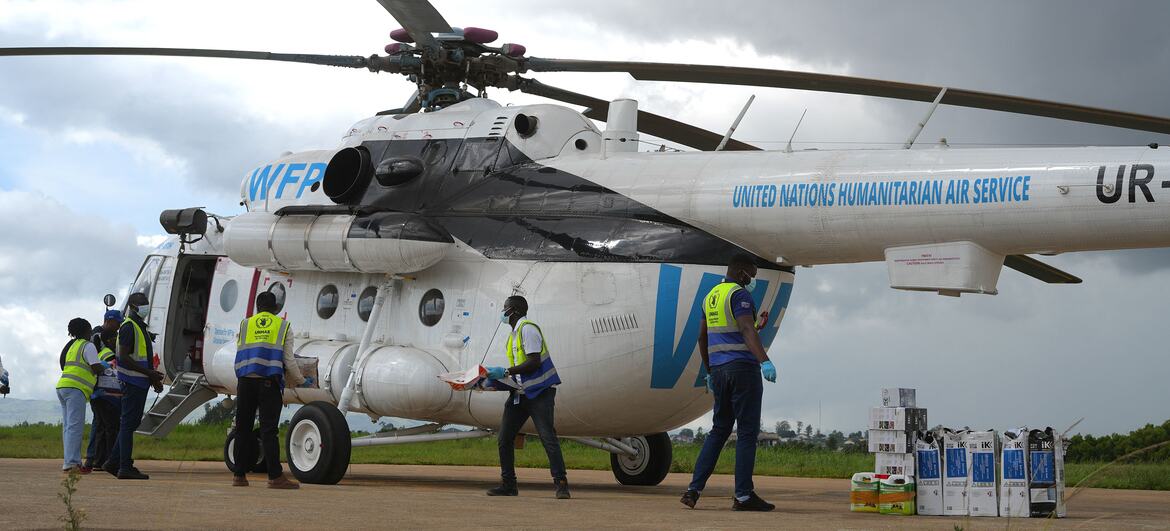
An Ebola outbreak in eastern Democratic Republic of the Congo has spread to 34 health zones and is now turning up in new areas almost every day, the World Health Organization said on Friday. Since the outbreak was declared on 15 May, WHO figures show 676 confirmed cases and 136 deaths, with a further 119 suspected cases and 32 people recovered.
The cases trace a line roughly 1,000 kilometers long, from Aru in the north of Ituri province down to Miti Murhesa in South Kivu. What worries responders is not only the count but how the spread is changing.
Every day, cases are being identified in new health zones,
said Dr Olivier le Polain, who leads epidemiology and analytics at WHO, speaking to reporters in Geneva by video link from Beni. That reflects really the scale of this outbreak, a scale that is much bigger than what is being detected and the high mobility of the population in this part of the DRC.
Early in the outbreak, cases in new areas could usually be traced to someone who had traveled from a hotspot. That is no longer the whole picture. Le Polain said responders now also see local community transmission in newly affected areas, with still many blind spots in some areas that are high risk.
Contact tracing has improved to just over 70 percent of contacts, he said, but called that still too low to ensure appropriate control.
The strain behind the outbreak is Bundibugyo, a rarer Ebola species than the Zaire strain that drove past epidemics. The distinction is not academic: there are currently no approved vaccines or therapeutics specific to Bundibugyo virus. That leaves surveillance, testing, and isolation as the main tools, and on isolation the response is short — the WHO said bed capacity is far below what the spread suggests will be needed.
UN agencies signaled that the human toll may shift toward children. Most infections so far have been among adults going about daily life, but as transmission moves into households, more children are likely to be exposed, said Dr Douglas Noble, UNICEF's global lead for public health emergencies. He noted that more than half of children under five in Ituri are chronically malnourished and more than one in five are "zero dose," never having received a first dose of routine childhood vaccines.
"These are already very vulnerable children, so the capacity for this community to absorb any additional stressors was already stretched to breaking point."
Dr Douglas Noble, UNICEF
The outbreak has already reached the region's displaced. The UN refugee agency confirmed the first Ebola-related deaths in the crowded Kpanga displacement camp in Ituri; an aid worker cited by Reuters said those deaths occurred on 31 May and 1 June. Camps where hundreds of people may share a single toilet have raised fears of fast contagion. We are all really worried that Ebola in these camps will spread extremely quickly,
Caitlin Brady, country director for the Danish Refugee Council in Congo, told Reuters.
Decades of conflict complicate every step. Armed groups contesting the area's mineral wealth limit government oversight, infrastructure is damaged, and earlier in the outbreak a treatment center in Ituri was set on fire. UNICEF says it has deployed more than 1,600 community health workers and 24 decontamination teams, reaching over 160,000 households, and flown in more than 100 tonnes of supplies as part of a six-month plan to help 3.7 million people.
Officials stressed measured steps over alarm. Because Ebola spreads through bodily fluids rather than the air, schools can stay open with proper infection control, UNICEF said. Across the border, Uganda has confirmed 19 cases and two deaths, a situation the African Union's health agency recently described as under control. Whether the same can be said for eastern DRC depends, le Polain said, on closing the gap between how fast the virus is moving and how fast testing and safe isolation can scale to meet it.
Post by @UN_News_Centre