Pumpkins Rotting Before Halloween? What Causes It and How to Stop It
Rot usually starts with moisture, a bruise or a cold snap, not bad luck. Extension services give specific temperatures for storing pumpkins so they last until Halloween.
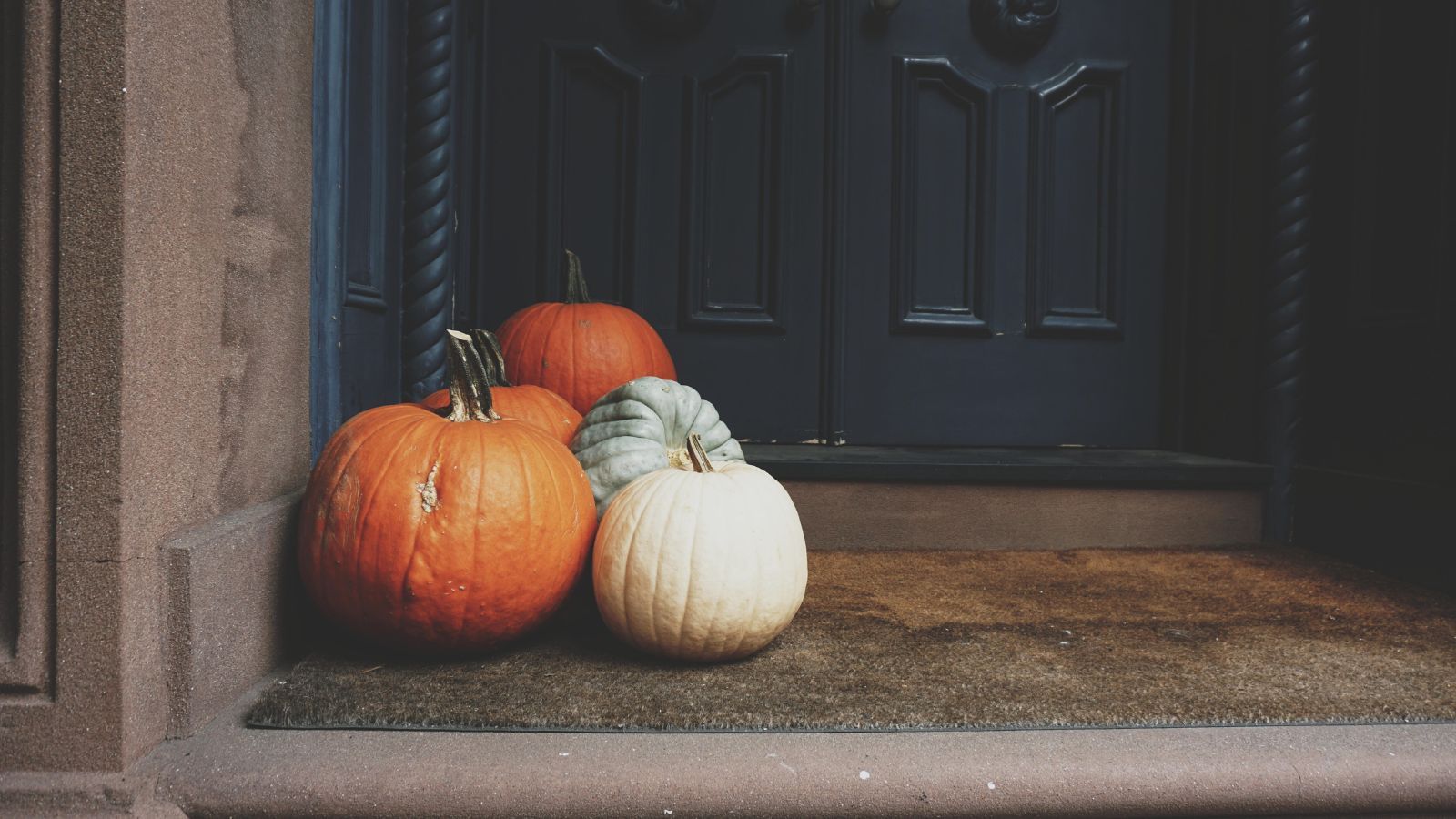
A pumpkin that goes soft before Halloween was usually set up to fail days earlier. Rot rides in on moisture, a bruise or a cold night, and the fruit's own sugars do the rest. With Halloween on Saturday, Oct. 31, 24 days from now, there is still time to change the odds.
Why do pumpkins rot on the vine?
Once a pumpkin is mature, the vine that fed it starts to die back. A gardening explainer published in October 2025 describes the sequence: the declining vine leaves the fruit exposed to bacteria, fungus, and moisture,
and morning dew or damp soil collects underneath it. Pathogens then enter through tiny cracks, scratches or soft spots. Its harvest cue is simple: Once the stem starts to brown and harden,
it's time to cut.
Contact with wet ground is the other repeat offender. Homes & Gardens quotes former professional gardener Drew Swainston on watering: Cutting back on water reduces the risk of the pumpkins starting to rot.
The advice there is to lift fruit off the soil with tiles, boxes or straw and to ease off watering once the pumpkins have turned orange.
Does frost kill pumpkins?
A light frost they can take; a hard one is trouble. Swainston says the fruits can tolerate a light frost, but a ground frost can start the fruit to rot.
If your forecast says freeze, it's worth knowing the difference between the alerts, which we laid out in our guide to frost advisories, freeze warnings and hard freezes. A freeze warning means bring them in.
What temperature should I store pumpkins at?
This is where the university numbers get specific. UMass Amherst Extension recommends storing at 50 to 60°F with 50 to 70% relative humidity, which it says gives a storage life of 2 to 6 months depending on variety. Fruit exposed to temperatures below 50°F, it warns, will not store well. It also says disease develops from bruising or cutting the skin during harvest,
and that large temperature swings cause condensation on the fruit, which encourages disease.
University of Illinois Extension educator Diane Reinhold gives matching advice: Do not store pumpkins in piles or directly on the floor.
Put them in a single row, off the floor, with air moving around them, and keep them away from apples, pears and other ripening fruit that give off ethylene.
Should I cure pumpkins before storing them?
The experts disagree a little, and it's worth saying so. UMass describes curing at 80 to 85°F and 80 to 85% humidity for 5 to 10 days right after harvest, but adds that it isn't recommended for Cucurbita pepo varieties because it shortens storage life; its own harvest notes list pie pumpkins under that group. Illinois Extension defines curing as the same warm, humid conditions for 10 to 14 days. The practical reading: curing is for the thick-skinned winter squash and some larger pumpkin types, while a typical pie or carving pumpkin does better simply kept cool, dry and unbruised.
How do I keep a carved pumpkin from rotting?
Carving removes the skin that kept microbes out, so the clock speeds up. Homes & Gardens suggests cleaning the exterior with a diluted bleach solution or vinegar before carving, keeping the finished jack-o'-lantern in a cool, shaded spot, and lighting it with an LED instead of a flame. Preservatives it lists include vinegar, petroleum jelly and hydrogen peroxide. None of that changes the basics: a pumpkin that started with a bruise or a soft patch is already behind.
One more cause is easy to miss. The October 2025 explainer notes that rising sugar levels in an overripe pumpkin attract insects and microorganisms, and that long sun exposure dries the skin and opens micro-cracks for bacteria. Leaving a pumpkin on a sunny porch for three weeks does both at once.
For the pumpkin already on your step, the checklist is short. Check the underside for soft spots. Keep it off wet concrete, and bring it inside when a freeze is forecast. Carve it as late as you can.