Alan Greenspan, the Fed's 'Maestro,' Dies at 100
The longest-serving Fed chair of the modern era steered the U.S. through Black Monday and the 1990s boom, then spent his later years defending the low-rate bets critics tie to the 2008 crash.
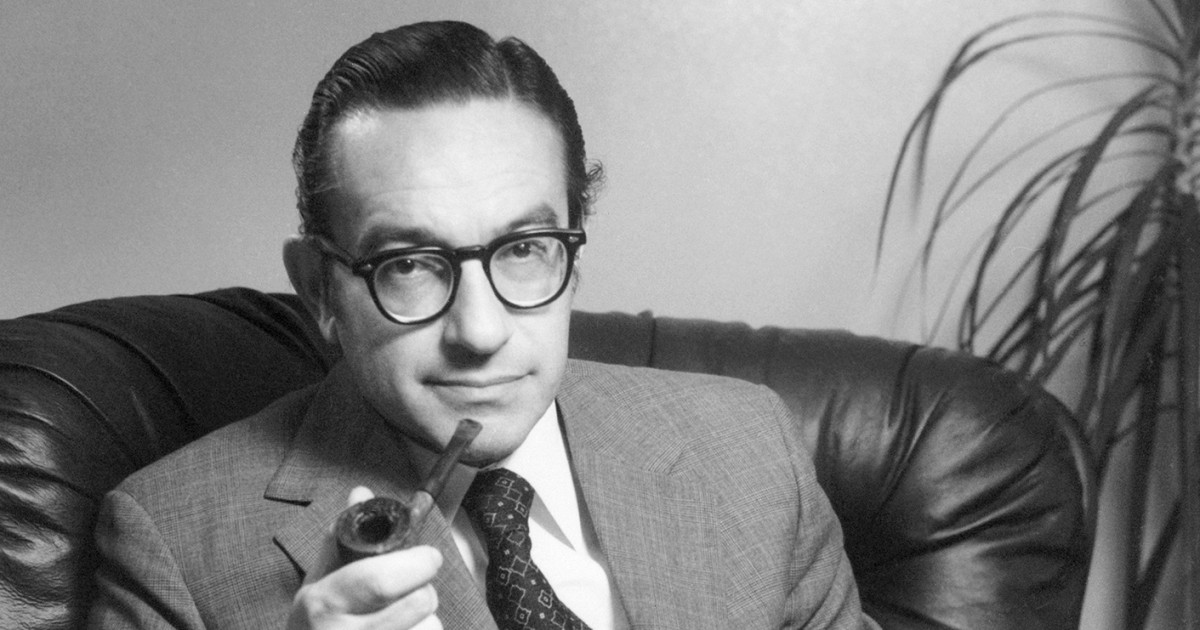
Alan Greenspan, who ran the Federal Reserve for nearly 19 years and turned the chairman's chair into the most closely watched seat in American finance, died Monday at his home in Washington. He was 100.
The cause was complications of Parkinson's disease, said his wife of 29 years, NBC News correspondent Andrea Mitchell, who announced his death in a statement.
Greenspan led the central bank from 1987 to 2006, serving five terms under four presidents: Ronald Reagan, George H.W. Bush, Bill Clinton and George W. Bush. It was the second-longest tenure in the Fed's history, and it spanned the longest economic expansion the country had ever recorded, the boom that ran from 1991 to 2001. By the time he stepped down, markets had learned to hang on his every comma.
That power had a cost. The same low-interest-rate instincts that earned him the nickname "the Maestro" were later blamed, by economists and lawmakers alike, for inflating the housing bubble that burst into the 2008 financial crisis a year after he left.
His reputation was forged in that first crisis. Confirmed to succeed Paul Volcker on August 11, 1987, Greenspan had been in the job 69 days when Wall Street cratered. The next morning the Fed pledged to "serve as a source of liquidity to support the economic and financial system" and pushed short-term rates down to keep banks lending. Within two days the Dow had clawed back more than half its losses. Supporters started calling him the Maestro; critics later coined a less flattering term, the "Greenspan put," for his habit of cushioning every market panic with cheaper money.
He was just as famous for being impossible to parse. On December 5, 1996, he wondered aloud "how do we know when irrational exuberance has unduly escalated asset values," and the Tokyo market, open at the time, promptly fell 3 percent. The phrase outlived the moment. Years later he admitted the obscurity was deliberate.
"It's a language of purposeful obfuscation to avoid certain questions coming up, which you know you can't answer."
Alan Greenspan, in a 2007 CNBC interview
The harder verdict came over mortgages. A self-described libertarian Republican who had studied under the novelist Ayn Rand, Greenspan trusted markets to police themselves, and he resisted tighter rules on the subprime lending that fed the housing boom. He conceded later that he had been slow to see the danger. "I really didn't get it until very late in 2005 and 2006," he told CBS's "60 Minutes" in 2007. Pressed on his share of the blame, he was less contrite: "Sometimes I get criticized, and I deserve to be criticized, and that's part of the game. But this one, I'm innocent."
For ordinary borrowers, the argument was never academic. Greenspan defended the cheap credit that pushed millions into homeownership, writing in his memoir that "the benefits of broadened homeownership are worth the risk." When those adjustable-rate mortgages reset and home prices fell, the bill landed on the same households the policy was meant to lift — a lesson that still shadows every debate about how loose the Fed should be while an asset boom runs hot, from the dot-com years to today's AI-driven memory supercycle.
Born in New York's Washington Heights on March 6, 1926, Greenspan studied clarinet and saxophone at Juilliard and briefly played in a touring jazz band before economics won out. He earned degrees at New York University and built a Manhattan consulting firm before Washington claimed him for good. In his final years he remained a public voice on monetary policy; in January 2026 he joined other former Fed and Treasury officials in signing a statement denouncing a criminal probe of the current chair, Jerome Powell.
Mitchell, who married him in 1997 in a ceremony officiated by Justice Ruth Bader Ginsburg, remembered the private man behind the oracle. "He had 'irrational exuberance' for baseball, the Washington Commanders, tennis, golf and music, especially jazz," she said. The Maestro spent decades teaching markets to read his silences. The economy he shaped is still arguing with the answers.