Why Domestic Partner Health Coverage Becomes Taxable Income
The IRS doesn't recognize domestic partners as spouses, so employer-paid health coverage for a partner becomes taxable "imputed income" on your paycheck, unless the partner qualifies as your tax dependent.
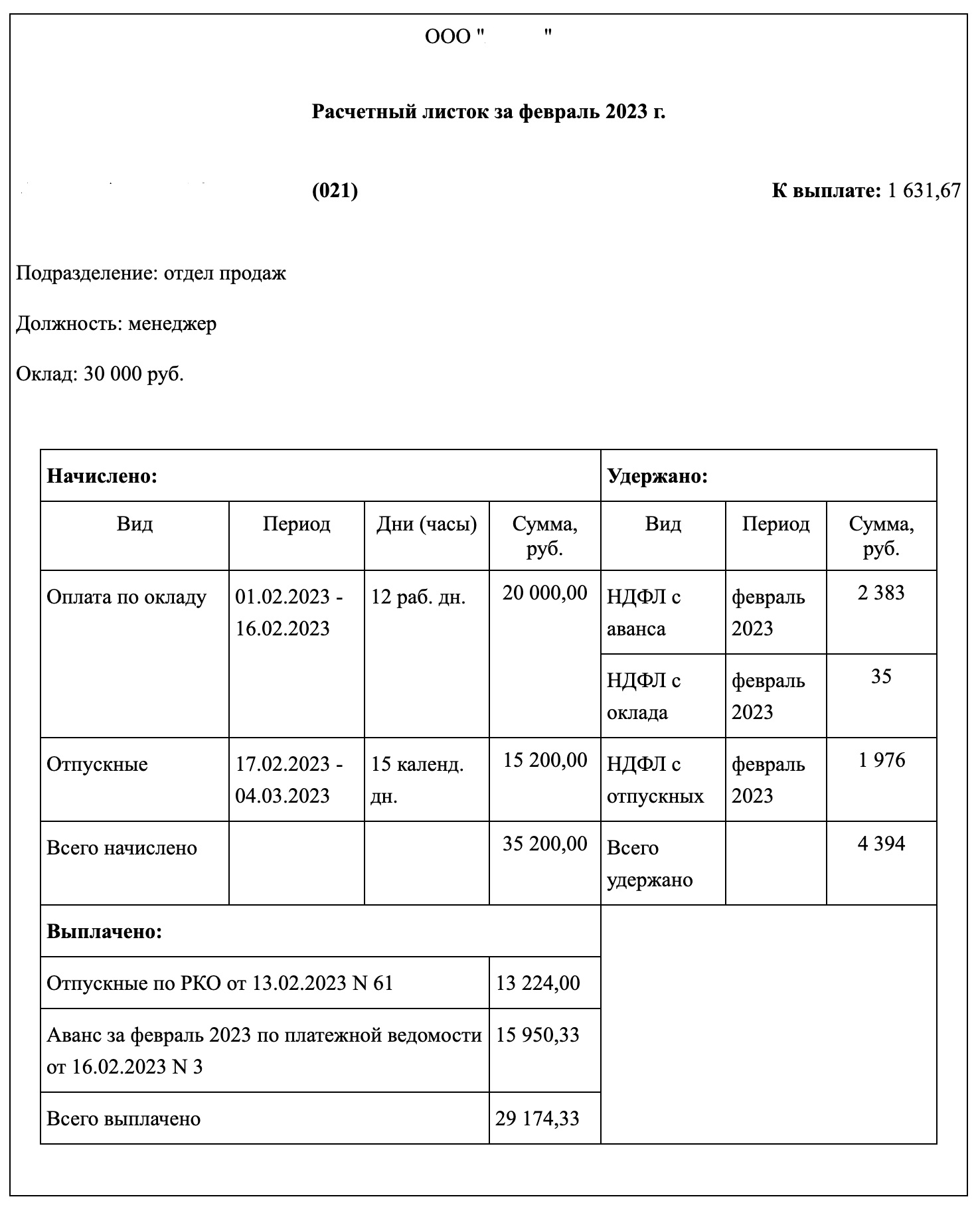
The line item is easy to miss until it isn't: a small addition to gross pay, no corresponding cash in the bank, and a tax bill that goes up anyway. For employees who cover a domestic partner on their health plan, this is usually the moment they learn what "imputed income" means.
The short version is blunt. The tax code does not treat a domestic partner as a spouse, so the part of your health coverage the IRS would exclude from your income for a husband or wife does not get excluded for a partner, unless that partner separately qualifies as your tax dependent.
Why the IRS treats a partner differently from a spouse
Under federal law, gross income includes essentially everything an employee receives from an employer, fringe benefits included, unless a specific carve-out applies. Health coverage for an employee, their spouse, their tax dependents and their children through age 26 gets that carve-out automatically. A domestic partner is not on that list. Spouse status, under the relevant sections of the tax code, requires a legally valid marriage under state law. Per Brian Gilmore, lead benefits counsel at the employee-benefits brokerage Newfront, "a domestic partner is not a spouse," full stop, regardless of how the couple's home state treats the relationship.
That gap has narrowed for same-sex couples specifically. Since the Supreme Court's 2013 Windsor ruling struck down the federal Defense of Marriage Act, and 2015's Obergefell decision guaranteed a constitutional right to same-sex marriage, a same-sex spouse is treated identically to any other spouse for tax purposes, and no imputed income applies. The gap that remains is specifically for domestic partners who have not married, registered or otherwise formalized their relationship as a marriage.
What is imputed income, in practice?
When a covered domestic partner does not qualify as the employee's tax dependent, two things happen to that employee's paycheck. First, the employee's own share of the premium for the partner's coverage gets deducted after tax rather than before it. Second, and this is the part that confuses people, the fair market value of whatever the employer is paying toward the partner's coverage gets added to the employee's gross income as "imputed income," taxed and reported on the employee's W-2, even though the employee never actually receives that money as cash.
Can a domestic partner avoid imputed income?
Yes, in one specific way: qualifying as the employee's tax dependent. Newfront's compliance guidance walks through the modified "qualifying relative" test that applies here: the partner cannot be someone else's qualifying child, must live with the employee as a member of the household all year, must receive more than half their support from the employee, and must be a U.S. citizen, national, resident alien, or resident of Canada or Mexico. Most employers handle this with an annual certification form rather than auditing the relationship directly; the IRS has confirmed in guidance that employers may rely on an employee's signed certification to determine dependent status.
Does living in a state with domestic partner protections change anything?
Sometimes, but only at the state level. California, for instance, requires insurers to treat state-Registered Domestic Partners the same as spouses for state-law purposes, which means no state imputed income applies to an RDP's coverage there. Federal tax law does not follow suit. A California employee with a Registered Domestic Partner can therefore owe imputed income on their federal return while owing nothing extra on their California state return for the same coverage: two different answers to what looks like the same question, from two different tax authorities.
How employers actually calculate the taxable amount
The IRS has never blessed a specific formula for this, which is part of why paycheck amounts can look different between two employees at different companies with ostensibly similar coverage. Most employers use what's called the incremental-cost method: the difference between the premium for employee-only coverage and the premium for employee-plus-one coverage becomes the taxable value of the partner's coverage. A smaller number of employers instead use the COBRA rate for the relevant coverage tier, which the payroll-processing company Paycor notes tends to produce a higher, more conservative imputed income figure than the incremental method does.
None of this is a reason to avoid domestic partner coverage, and none of it is optional on the employer's end once a non-dependent partner is enrolled. It is simply how the tax code currently draws the line between a marriage and everything short of one. Anyone unsure whether their specific paycheck deduction is calculated correctly has a straightforward next step: ask payroll or HR which of the two methods above the plan uses, and whether a signed dependent certification on file could eliminate the imputed income altogether. It is the same payroll machinery, worth understanding for the same reason a 401(k) true-up is: paychecks routinely contain math that looks like an error and isn't.