Vinyl Outsold CDs for a 19th Straight Year. The Reason Isn't Fidelity
Vinyl just logged its 19th straight year of U.S. sales growth, RIAA data shows, even though digital audio wins on nearly every measurable spec. The real explanation has little to do with sound.
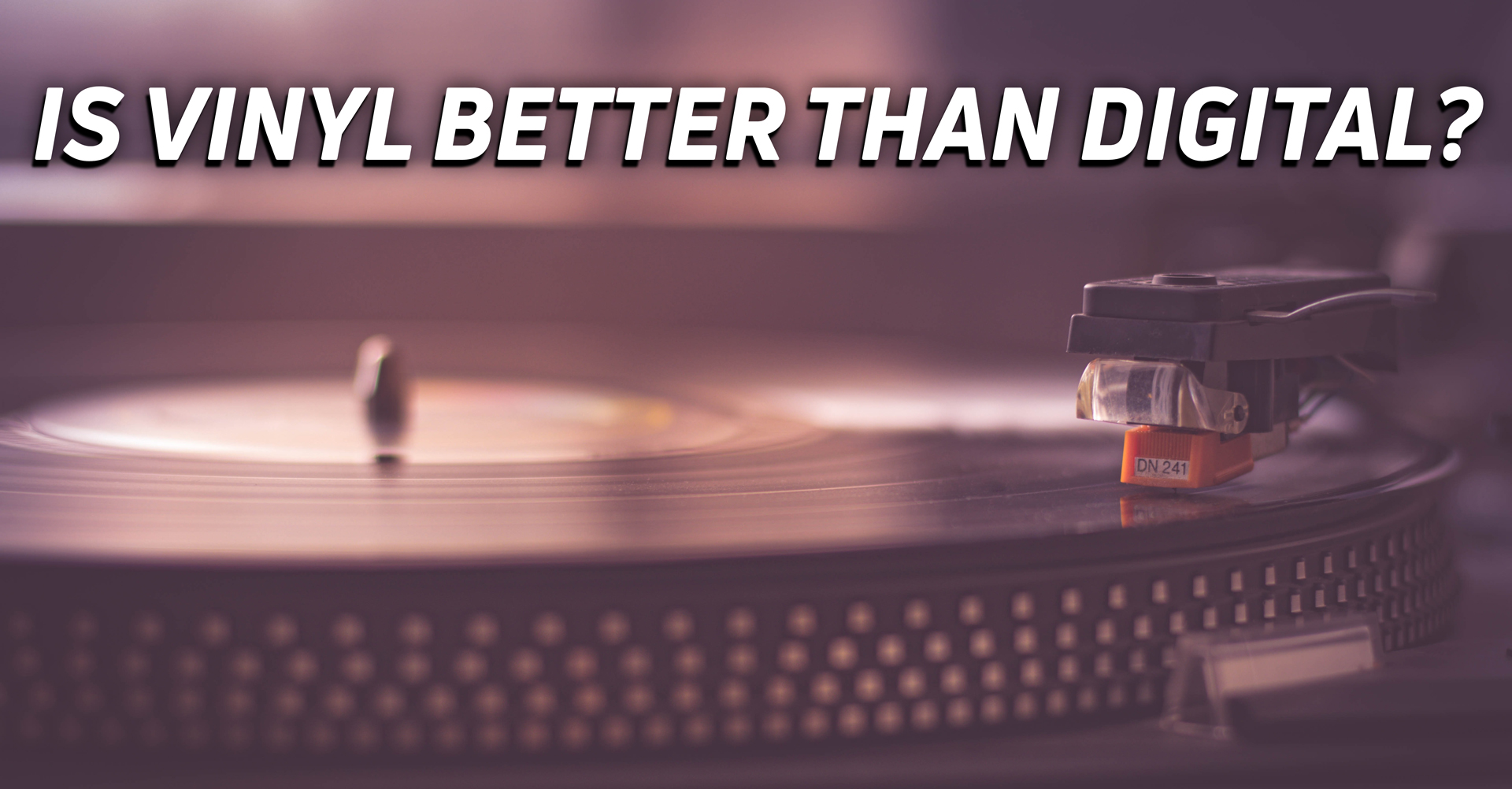
Vinyl outsold CDs in the United States for the 19th consecutive year in 2025, according to year-end figures the Recording Industry Association of America released in March. Records generated more than three times the revenue of CDs last year on sales of 46.8 million units, against 29.5 million for compact discs. U.S. vinyl sales alone crossed $1 billion, close to half the format's value worldwide.
None of that has much to do with how the format actually sounds.
"The last 20 years have been marked by unprecedented transformation for recorded music — from the steady rise to dominance of anytime, anywhere streaming options...to a resurgence of vinyl as both a listening experience and collectable art," RIAA chairman and chief executive Mitch Glazier said in the report. It's a tidy way to describe a format that keeps growing in an industry built around instant digital access. What Glazier doesn't say, and what the association's own technical standards would confirm if you asked, is that a fresh pressing loses to a streamed file on nearly every measurable spec.
What the numbers actually say
Total harmonic distortion on a vinyl record runs from 0.4% to 3%, depending on how well the deck is set up and how close the needle sits to the record's center, according to audio-engineering data compiled by SoundGuys. A digital-to-analog converter, the chip that turns a streamed file back into sound, typically holds distortion under 0.001%. Digital files also carry more than 90dB of dynamic range — the gap between the quietest and loudest passages — versus about 70dB for vinyl, meaning digital can represent over ten times the range before noise becomes a problem. Channel separation, which determines how wide and distinct the stereo image sounds, comes in around 30dB for vinyl and more than 90dB for digital.
There's also wow and flutter — slow and fast speed variation in a turntable's motor — which a good deck holds under 0.05%. Digital playback, run by a precision oscillator instead of a spinning belt or platter, doesn't have the problem at all. By the numbers, streaming a lossless file is the more accurate way to hear a recording. Vinyl keeps selling anyway.
The mastering trick nobody mentions on the sleeve
Part of what listeners are actually responding to has nothing to do with grooves versus bits. It's mastering. Starting in the mid-1990s, labels leaned hard into dynamic-range compression and peak limiting to make CDs and digital singles sound louder on the radio and in shuffle mode — the "loudness war" that audio engineers have criticized for two decades. Vinyl was largely exempt. A record's physical grooves can't handle heavily compressed, ultra-loud masters without the needle skipping, so vinyl releases are frequently cut from a separate, more conservative master with the dynamics left intact.
That means a listener comparing the vinyl and streaming versions of the same album often isn't comparing two formats. They're comparing two different masters — one squeezed flat for playlists, one left alone for a needle. The format gets credit for a mixing-room decision.
Bass frequencies get special treatment on vinyl too. Engineers pan low end toward the center of the stereo image before cutting a record, because a needle riding a wide, loud bass groove is prone to jumping the track entirely. That constraint shapes the sound in ways a streaming master never has to accommodate — sometimes for the better, since it forces a restraint a compressed digital master skips.
What people are actually buying
Vinyl requires a $150-and-up turntable, physical shelf space, and a needle that wears out and needs replacing. None of that is convenient, and none of it is an accident. Read against RIAA's data, the resurgence tracks less with audiophile complaints about digital compression and more with a broader fatigue over renting access to culture instead of owning it — the same subscription math behind why streaming subscription prices keep climbing even as services add users. A record is something a listener can hold, shelve, and still play in twenty years without an app update or a canceled licensing deal.
That's a different value proposition than fidelity, and it's the one the RIAA's own report leans on — filing vinyl's growth next to language about "collectable art," not signal-to-noise ratios. The format's technical case was settled decades ago. What wasn't settled is whether people wanted to own their music again, badly enough to accept worse specs and a $30 price tag for the privilege. Nineteen straight years of sales growth suggest they did.