FDA Warns the Maker of the $1,700 SNOO Smart Bassinet
The FDA cited Happiest Baby for selling SNOO products without clearance and flagged mold and unsanitary refurbished units, giving the company 15 days to respond.
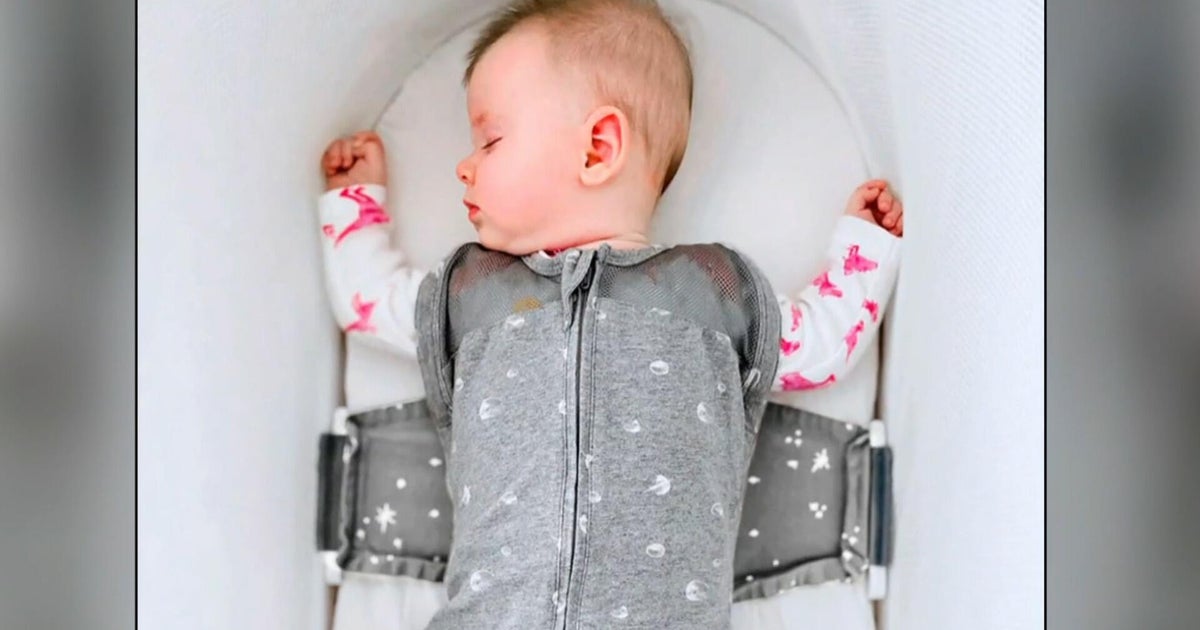
The federal government has put the maker of one of the most popular, and most expensive, baby products on notice. The Food and Drug Administration issued a warning letter to Happiest Baby, the company behind the $1,700 SNOO “smart bassinet,” citing a string of quality and safety problems.
The letter, dated June 15, faults the company for selling two new sleep-sack sizes and a hospital version of the SNOO without first getting FDA clearance, and warns those products have not been evaluated for safety or effectiveness. More striking are the conditions the agency describes: reports of stains, soiling and unsanitary refurbished units that could carry infection risk, and mold found on some SNOO mattresses and covers.
The SNOO is not an ordinary crib. It is a motorised bassinet that detects a baby’s cries and responds by rocking and playing white noise, marketed as a way to help infants, and exhausted parents, sleep. Because it makes safety claims and is used with newborns, it falls under FDA oversight as a medical device, which is why the agency’s concerns carry regulatory weight rather than being a matter of consumer reviews.
This did not come out of nowhere. The FDA says it has been in contact with Happiest Baby since the summer of 2025 about the quality-control issues and the risks they pose to infants, and is not yet satisfied the problems are fixed. The company has been given 15 days to respond and explain how it will correct them. A warning letter is a serious step, but it is not a recall: it does not by itself pull SNOOs from homes or shelves.
For parents already using a SNOO, the practical takeaway is narrow and undramatic. The agency’s specific cautions centre on the unauthorised sleep-sack sizes, the hospital bundle, refurbished units and mold, not a blanket judgment on every device, and Happiest Baby now has a chance to answer. What the letter does is move a dispute that had played out privately for a year into public view, where the people who spend $1,700 on a crib can weigh it for themselves.