FDA

Under 60 or Within 10 Years: ACOG's Menopause Hormone Window, in Numbers
ACOG calls hormone therapy a strong recommendation for hot flashes, with moderate evidence behind it. Here are the risks per 1,000 women, who should skip it, and how the patch shortage changes the choice.
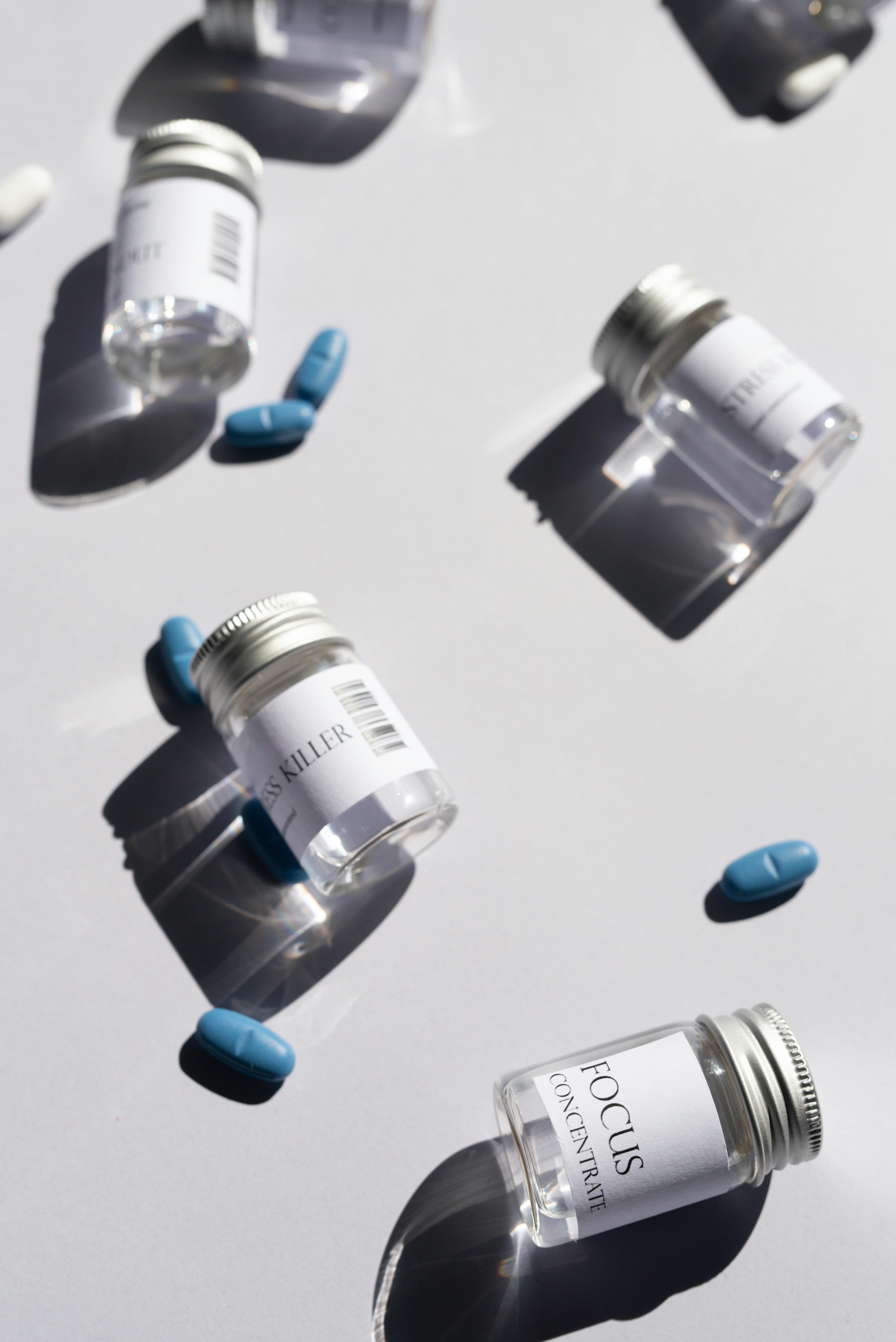
Why the Adderall Shortage Keeps Coming Back Despite Quota Hikes
Four years after the first Adderall shortage notice, the DEA has raised its national stimulant production quotas twice. The mechanism behind the gap that remains is bureaucratic, not dramatic.
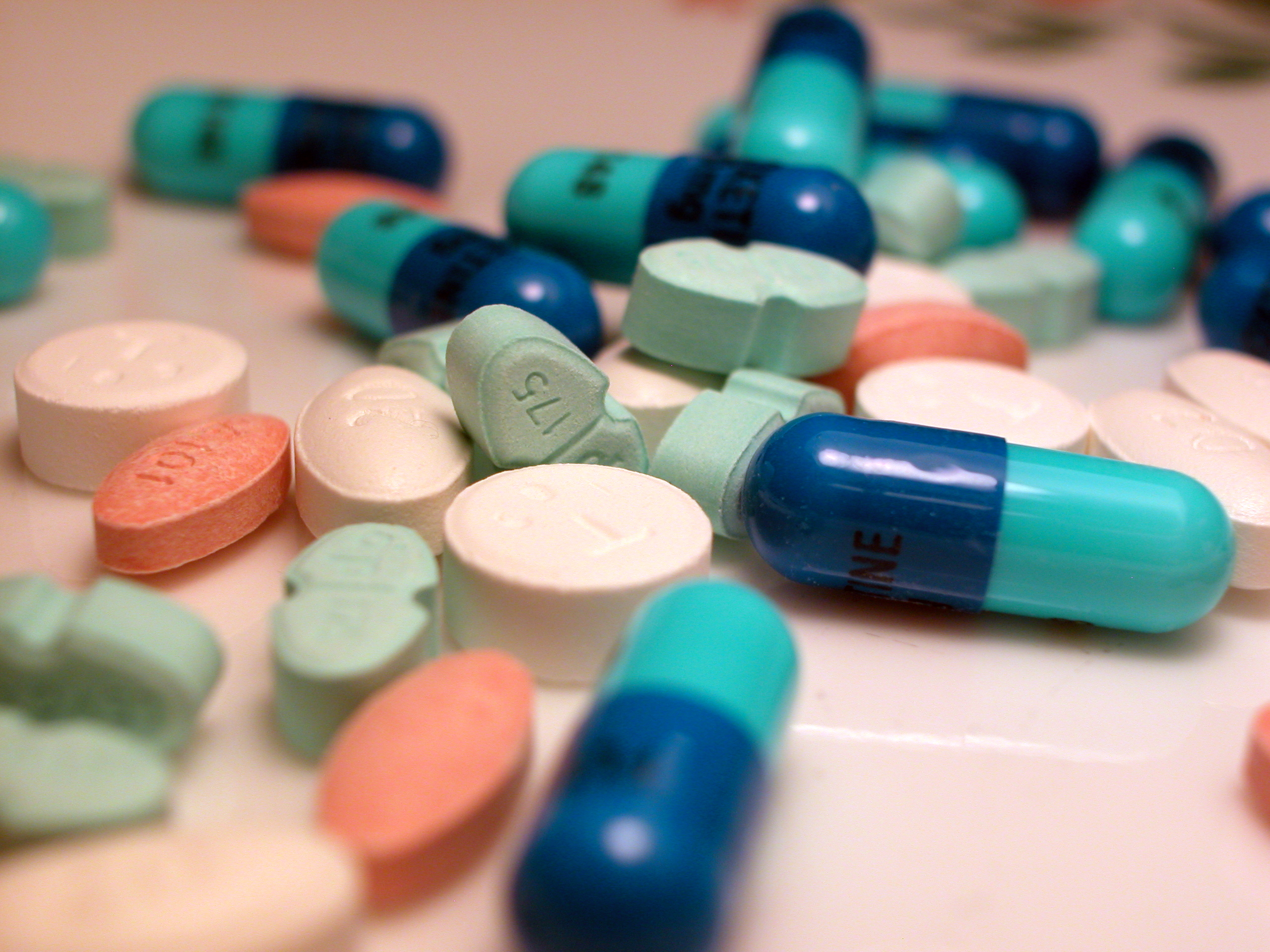
Why Your Generic Prescription Keeps Changing Color
Trademark law bars generics from looking like the brand name, and pharmacy supply chains swap manufacturers often -- so your pill keeps changing, safely.
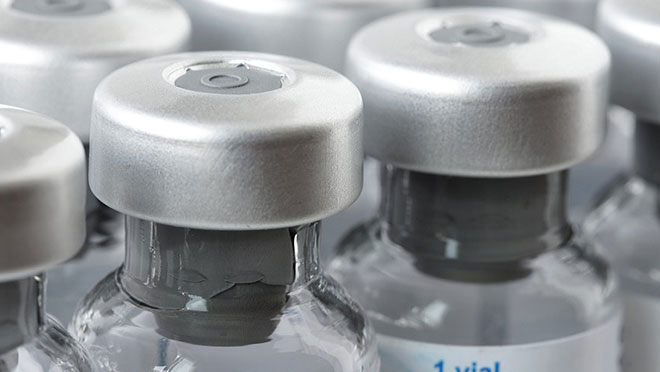
Why This Year's Flu Shot Replaced All Three of Its Strains
For the first time in years, regulators rebuilt the flu vaccine from scratch, swapping the H1N1, H3N2, and B strains after a fast-mutating H3N2 variant cut protection in some patients to as little as 14%.

Does Allergy Medicine Really Stop Working? The Evidence Says Mostly No
The idea that allergy pills 'stop working' after months of daily use isn't well supported by the evidence — but the FDA has flagged a real, different reaction to watch for when you quit.

Compounding Pharmacies, Explained: Why 'FDA-Approved' Is a Lie
Compounding pharmacies aren't FDA-approved, because that approval doesn't exist for them. Here's the regulatory split behind the copycat-Ozempic crackdown, and why claiming otherwise just got 25 telehealth firms in trouble.

Why Pharmacies Cap How Much Sudafed You Can Buy
A federal tracking system logs every pseudoephedrine sale in real time. Here's why Sudafed sits behind the counter, what the purchase limits actually are, and when they start to matter.

FDA's Compounded Semaglutide Ban, Explained: What Changes for Patients
The FDA's April 2026 proposal would end large-scale compounding of semaglutide and tirzepatide. Individual-patient compounding isn't affected, but the supply picture is about to shrink.

Why the US and NZ Are the Only Countries With Drug Ads on TV
Drug ads that name a condition and a brand are banned nearly everywhere in the world. Here's how the US and New Zealand ended up as the two exceptions.
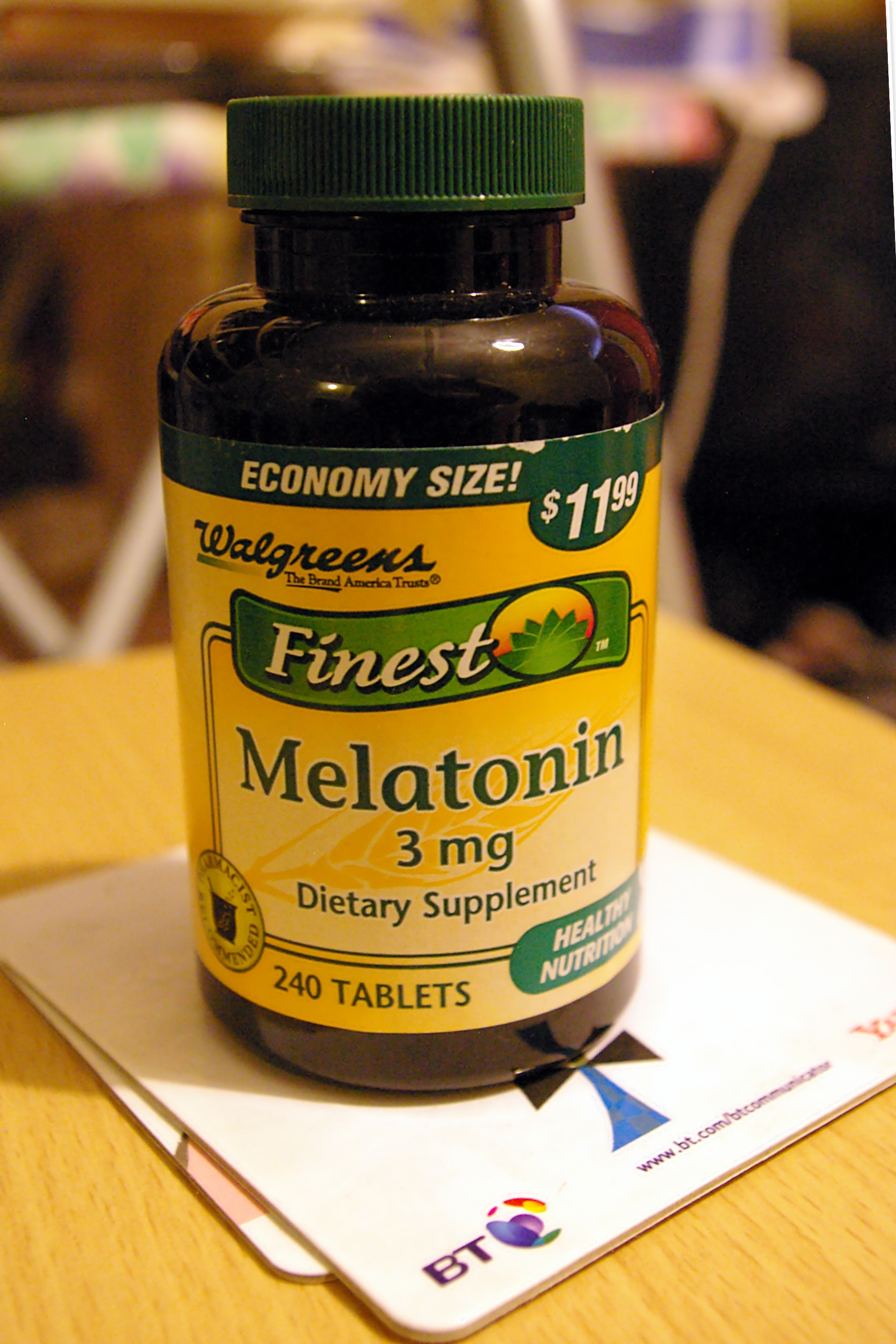
Why American Melatonin Comes in 10 Times the Dose Most of Europe Allows
A bottle of melatonin in an American drugstore can pack five to ten milligrams; the same supplement in France is capped under two. The regulatory gap has real consequences for how families use -- and mis-store -- a hormone most people assume is harmless.

FDA Warns the Maker of the $1,700 SNOO Smart Bassinet
The FDA cited Happiest Baby for selling SNOO products without clearance and flagged mold and unsanitary refurbished units, giving the company 15 days to respond.