Peanut Allergy Retesting: 271 of 778 Infants Passed a Supervised Challenge
In an Australian program, 271 of 778 infants with a peanut-allergy label ate peanut under supervision without reacting, while 61 had anaphylaxis. The study covers infants only, and the retest belongs in an allergist's clinic.
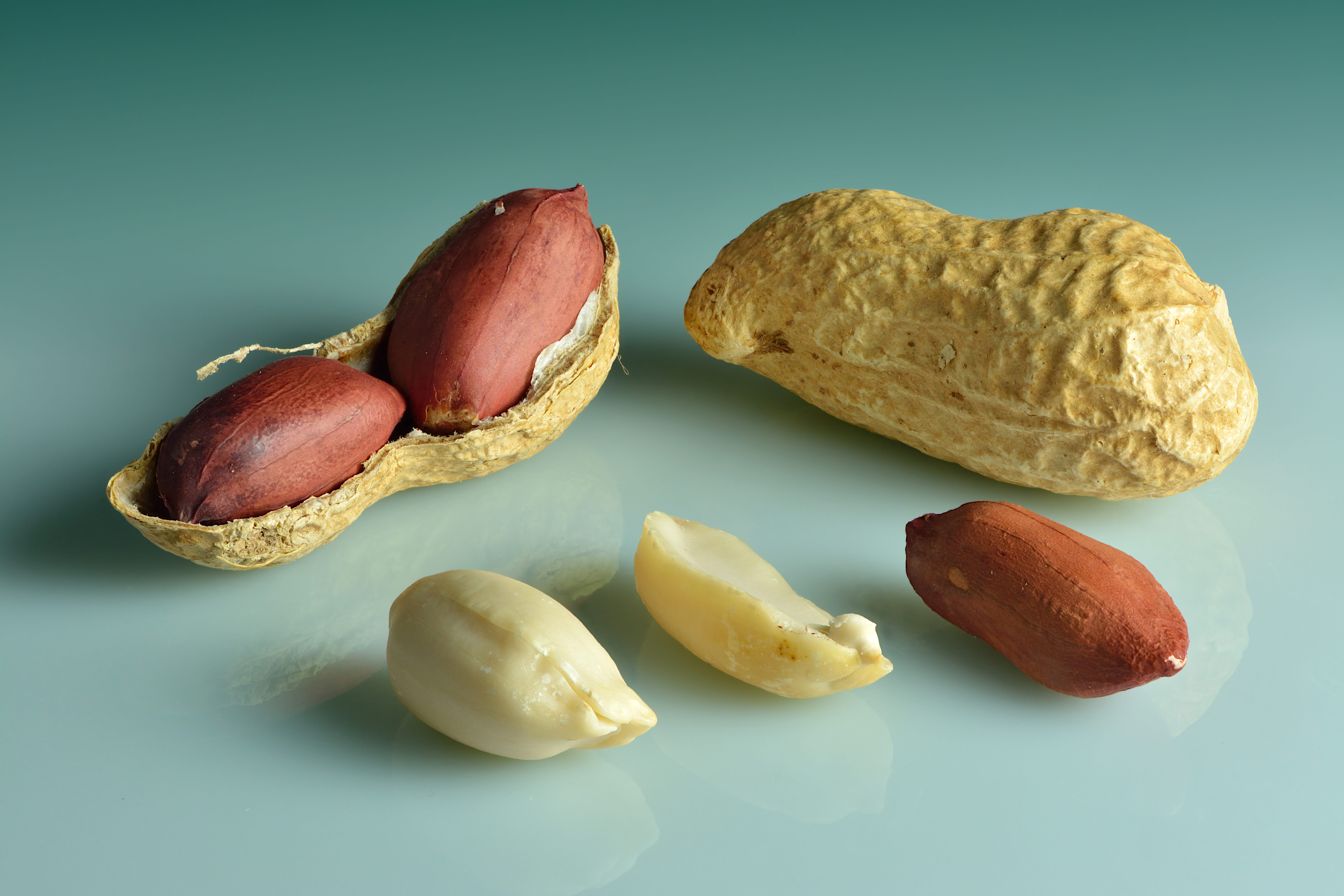
All 778 infants were in a program that required a prior mild-to-moderate peanut reaction and a positive skin or blood test. In a clinic, 271 of them ate peanut, dose by dose under medical watch, and nothing happened.
That is the number behind this week's retest headlines, and it is real. But the 778 were infants referred into an Australian treatment program, and the same clinics saw the other side: 507 reacted, and 61 of those had anaphylaxis, the severe, whole-body allergic reaction that needs emergency treatment. The team managed every reaction, according to the institute's release. Both halves belong in the same sentence.
The Murdoch Children's Research Institute and Australia's National Allergy Centre of Excellence publicised the work on Nov. 4, and CBS News, The Washington Post and ABC Australia reported it that week. The paper itself is older than the news cycle. The study in The Journal of Allergy and Clinical Immunology: In Practice entered PubMed on Sept. 17 and sits in the November issue, so as of Friday it has been public for about seven weeks. Lead author Tim Brettig and colleagues reviewed charts from 10 public children's hospitals in the ADAPT program, which offers peanut oral immunotherapy, daily doses of peanut meant to build tolerance, to infants outside a clinical trial.
Between April 2024 and October 2025 the team assessed 1,275 infants. Of those, 778 had a threshold oral food challenge, a medically supervised, stepped feeding of peanut, at a median age of 13 months. The abstract describes seven escalating doses, from 15 milligrams to 1,300 milligrams of peanut protein.
| Outcome | Infants | Share of 778 |
|---|---|---|
| No reaction (label could be removed) | 271 | 34.8% |
| Reaction, short of anaphylaxis (computed) | 446 | 57.3% |
| Anaphylaxis, treated by the team | 61 | 7.8% |
| Total | 778 | 100% |
The denominator matters here, and the coverage blurred it. The "12%" quoted on television is 12.0% of the 507 infants who reacted. Counted against all 778 who were challenged, anaphylaxis was 7.8%. On CBS Mornings, immunologist Tania Elliott said "12% of those babies had anaphylaxis"; the figure is right only if "those babies" means the ones who reacted.
Picture 100 infants going through a challenge in this program. About 35 would pass without a reaction, about 57 would react short of anaphylaxis, and about eight would have anaphylaxis. Those 100 are not any 100 children with a peanut-allergy diagnosis. They are infants chosen for a challenge in a treatment program, and that selection shapes every number above.
A positive test is not a diagnosis
The most useful reading of the 35% is as a measure of how often tests over-call peanut allergy in this group. A skin prick test or a blood test shows that the immune system has made antibodies to peanut, called sensitization. It does not show that eating peanut will cause a reaction. FAACT's guide to oral food challenges, from the Food Allergy & Anaphylaxis Connection Team, a patient organisation, puts it plainly: "a positive result is not diagnostic of food allergy and in some cases can lead to unnecessary food avoidance."
Todd Mahr, an allergist then listed as president-elect of the American College of Allergy, Asthma & Immunology, makes the same point from the other direction on the Allergy & Asthma Network page: skin test results "have been shown to be positive even after someone has outgrown a food allergy."
The study adds a harder fact. Median skin prick and Ara h 2 results, a blood marker specific to peanut, were higher in infants who reacted than in those who did not. But the abstract says they "did not predict the reaction threshold or severity." A parent cannot look at a lab number and guess which group a child falls in. Only the challenge sorts them.
Kirsten Perrett, the ADAPT program lead, was direct about what that implies. "Oral food challenges are not currently used routinely for every infant with suspected peanut allergy," she said in the institute's statement. "But our results show that clinical history and allergy testing alone were not enough to accurately diagnose peanut allergy in many cases." Brettig framed the upside: identifying those children early lets them "avoid an unnecessary allergy label and the burden of avoiding peanut."
Note how careful the conclusion is. The paper's indexed title says an oral food challenge should be "routinely considered," not "required," while the release cites it as "Is Required". Considered means a conversation, not a mandate. Peanut allergy affects about one in 30 children in Australia, according to the release, so the stakes of getting the label right are not small.
Inside a supervised challenge
There is no home version of this, and the reason is in the numbers above. Eight in 100 challenged infants had anaphylaxis, and the infants had been picked as plausible candidates. Mahr, on the Allergy & Asthma Network page, said it bluntly:
"What we don't want is parents conducting an oral food challenge on their child at home, without medical supervision."
Todd Mahr, MD, allergist, Allergy & Asthma Network
He added that a challenge "should be conducted in a medical facility by an allergist who is well trained and experienced in food allergies and anaphylaxis," with epinephrine, oxygen, IV fluids and other emergency treatments "readily available." He also noted that parents often decide a child has outgrown an allergy after an accidental exposure at home. An accidental exposure is a signal to ask, not a test. Elliott said the same on CBS: this "is not something to try at home."
So what does a visit look like? Clinics differ, and your allergist's instructions override any general description. FAACT says challenges "typically last between 2-4 hours but may take even longer especially if there is an allergic reaction," with "usually 4-6 steps." Lurie Children's Hospital in Chicago describes a child eating gradually larger amounts until a full serving is finished, typically within 60 minutes, then being watched for another two hours. Plan for a day with nothing else on it.
Preparation is mostly about the child being well. FAACT says the child should be "completely well," and a fever, diarrhea, cough, worsening asthma symptoms or a cold are reasons to reschedule. The allergy team supplies a list of medicines to pause beforehand, typically antihistamines; asthma inhalers should not be stopped. And families should have "your standard two epinephrine products in hand for the car ride home in case any delayed symptoms occur."
The outcome is one of three: the child tolerates the food, reacts, or the result is indeterminate. A reaction is information, not failure. The challenge also stays a choice. FAACT calls it an elective procedure "that you and your allergist will agree to pursue together."
Where the study stops, and what it cannot say about older children
Here is the gap the headlines left. The abstract reports a retrospective chart review of one national program, and describes no comparison group. Its infants were under 12 months old with a prior reaction when they became eligible, and were challenged at a median of 13 months. It says nothing direct about a 5-year-old or a teenager, whatever the word "outgrow" suggests.
The group was also selected. These were infants referred toward oral immunotherapy, and 497 of the 1,275 assessed did not have the challenge; the abstract gives no reason. Eligibility covered only mild-to-moderate earlier reactions, grade 1 to 2 on the consortium scale the authors used, so a child with a recent severe reaction is a different conversation. Nor does the abstract follow the 271 forward to see whether they stay tolerant. The figures here come from the abstract, the release and press reports, so treat them as the abstract's account rather than the full paper's.
That is why CBS's medical contributor went further than the data. Elliott added, "all children should be retested, even if they have allergies, every year." The study did not test annual retesting of all children. Professor Gurrin, quoted by ABC Australia, said the research did not necessarily make it easier for GPs to diagnose a child with a peanut allergy, and that challenges still need appropriate conditions. (Separate 2017 US guidance on introducing peanut early to prevent allergy is a different topic from retesting.)
If a diagnosis in your family dates from a baby's first year, the study is closest to your situation. If it came later, or followed a severe reaction, it is further away. Either way, the sensible move is the one the evidence supports: raise it with an allergist. This is general information, not individual medical advice, and nothing here says any particular child has or has not outgrown anything. The same caution applies to any diagnostic label: the useful question is how it was checked.
Some prompts to bring along: How was the diagnosis made, with a reaction, a skin test or a blood test, and at what age? Does my child's history make a supervised challenge sensible, or is another test first? Where would it happen, and what emergency treatment is on site? How should we prepare, with medicines, illness and food? If my child passes, how often and how much peanut should they eat, and do we keep epinephrine? Weigh the answers the way the absolute numbers demand, not the way a headline does.
A pass changes the plan, not the job. Those 271 infants could have the label removed and eat peanut regularly, in an age-appropriate form such as peanut butter, the release says. Lurie Children's Hospital warns that children who eat peanut only in limited, infrequent amounts after passing are at increased risk of redeveloping the allergy, and recommends "a full serving of a peanut product at least once a month."