Why Placebos Still Work Even When Patients Know They're Fake
Patients told plainly that their pills contain no medicine still report real relief. The effect is genuine, but it has limits worth understanding.

Linda Buannono had lived with irritable bowel syndrome for years, some days too sick with pain to leave the house, when a Harvard trial handed her a pill bottle that said, in plain print, "placebo pills." No one pretended otherwise. The researchers told her the pills contained no medicine at all. She took them anyway, and within weeks she felt better than she had in years. "I never felt better in my life," she said. When the trial ended and the pills stopped, her symptoms crept back. She asked her pharmacist for more. He told her it would be unethical to sell her sugar pills, even ones she'd asked for by name.
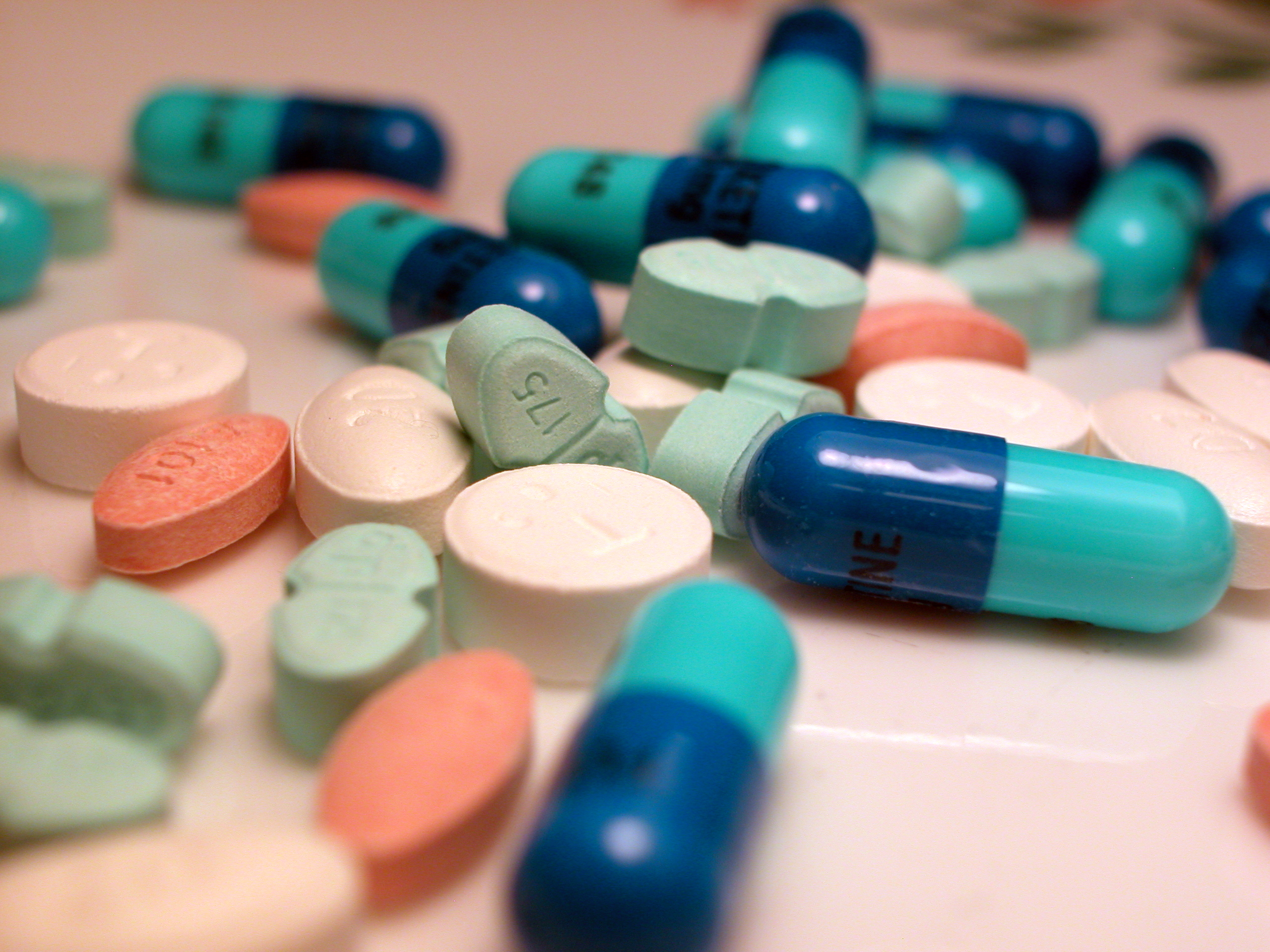
That contradiction sits at the center of a body of research that has quietly upended one of medicine's oldest assumptions: that a placebo only works if the patient is fooled. Trials of what researchers call open-label placebos, sugar pills given to patients who are told exactly what they are, have found real symptom relief in irritable bowel syndrome, lower back pain, depression, allergic rhinitis and ADHD.
The trial that surprised its own researchers
The study that changed the field's mind came from Ted Kaptchuk, a Harvard Medical School researcher who leads the university's Program in Placebo Studies. In a 2010 trial published in PLOS One, his team split 80 IBS patients into two groups: one got no treatment, the other received bottles explicitly labeled "placebo pills," alongside a short explanation that placebos "have been shown in clinical studies to produce significant improvement in IBS symptoms through mind-body self-healing processes." Nobody was misled about what was in the bottle.
The results, as Harvard Magazine reported, "shocked the investigators themselves": patients taking the openly labeled placebo reported roughly twice the symptom relief of the no-treatment group, an effect size Kaptchuk compared to what's seen in trials of the best available real IBS drugs. A 2021 follow-up found the open-label version worked about as well as a standard double-blind placebo, the kind patients don't know they're getting. A separate systematic review of five trials, described by its lead author in a piece for Oxford's Nuffield Department of Primary Care Health Sciences, found consistent benefit across IBS, back pain, depression, allergic rhinitis and ADHD, tracing the idea back to a small 1965 Baltimore study in which doctors told 15 patients, honestly, that "sugar pills" had helped people like them.
Two explanations, neither of them magic
Nobody claims patients are thinking their symptoms away. The leading explanations are more mechanical than mystical. The first is expectation: telling a patient a treatment "produces significant improvement for patients like you" primes the brain's reward circuitry, which can trigger the release of the body's own painkilling endorphins. The second is conditioning, the same basic wiring Ivan Pavlov found in dogs that salivated at a bell once it had been paired with food often enough. Years of swallowing pills from a trusted doctor can train the body to respond to the ritual itself, sugar or not.
Brain-imaging work backs this up in a limited way. Researchers have shown placebo treatments trigger measurable activity in the same pain and reward pathways that real drugs use, and that blocking the body's natural opioid receptors chemically can blunt the placebo response. This is why Kaptchuk, who trained as an acupuncturist before moving into clinical research, is careful about what he claims. "Sham treatment won't shrink tumors or cure viruses," he told Harvard Magazine.
Where the effect runs out
That caveat matters more than it sounds. In a 2011 trial Kaptchuk co-authored in the New England Journal of Medicine, asthma patients given a placebo inhaler reported feeling just as improved as those given real albuterol. Their lungs told a different story: objective breathing tests showed the real drug worked and the placebo didn't, at all. Dr. Harriet Hall, a physician who writes critically about alternative medicine, called this the real danger of the research. Asthma can kill, she has warned, and a patient who feels better on a placebo might delay the treatment that actually keeps their airways open.
The pattern holds across the open-label literature: benefits cluster in conditions built substantially from subjective symptoms, pain, fatigue, mood, gut discomfort, and disappear in conditions with a hard biological endpoint a sugar pill can't touch. That's a meaningful line for a worried reader to hold onto. A sugar pill is not a substitute for insulin, an inhaler, or a course of antibiotics. What it can apparently do is meaningfully ease how bad a chronic, subjective symptom feels, without requiring a doctor to lie about what's in the bottle.
Some of that benefit doesn't need a pill at all. Kaptchuk's separate research on IBS patients found that those given warm, attentive care from a practitioner, without any placebo pill or fake acupuncture involved, did better than those given the same fake treatment with a rushed, impersonal visit. The dose that mattered was attention, not deception. Read against the allergy-medicine research on how the body adapts to chronic drug tolerance, it's a reminder that the relationship between mind, ritual and body runs in more directions than pharmacology alone tends to admit. Buannono's pharmacist was right that he couldn't ethically sell her a bottle of sugar pills off the shelf. What he could have done, and what her doctor evidently did during the trial, was take her seriously and tell her the truth about what might still help.