Utah Finalizes College Sports' First Private Equity Deal With Otro Capital
Crimson Brand Partners takes over Utah's ticketing, sponsorships and media on July 1. The school won't say what Otro Capital is paying for the privilege.
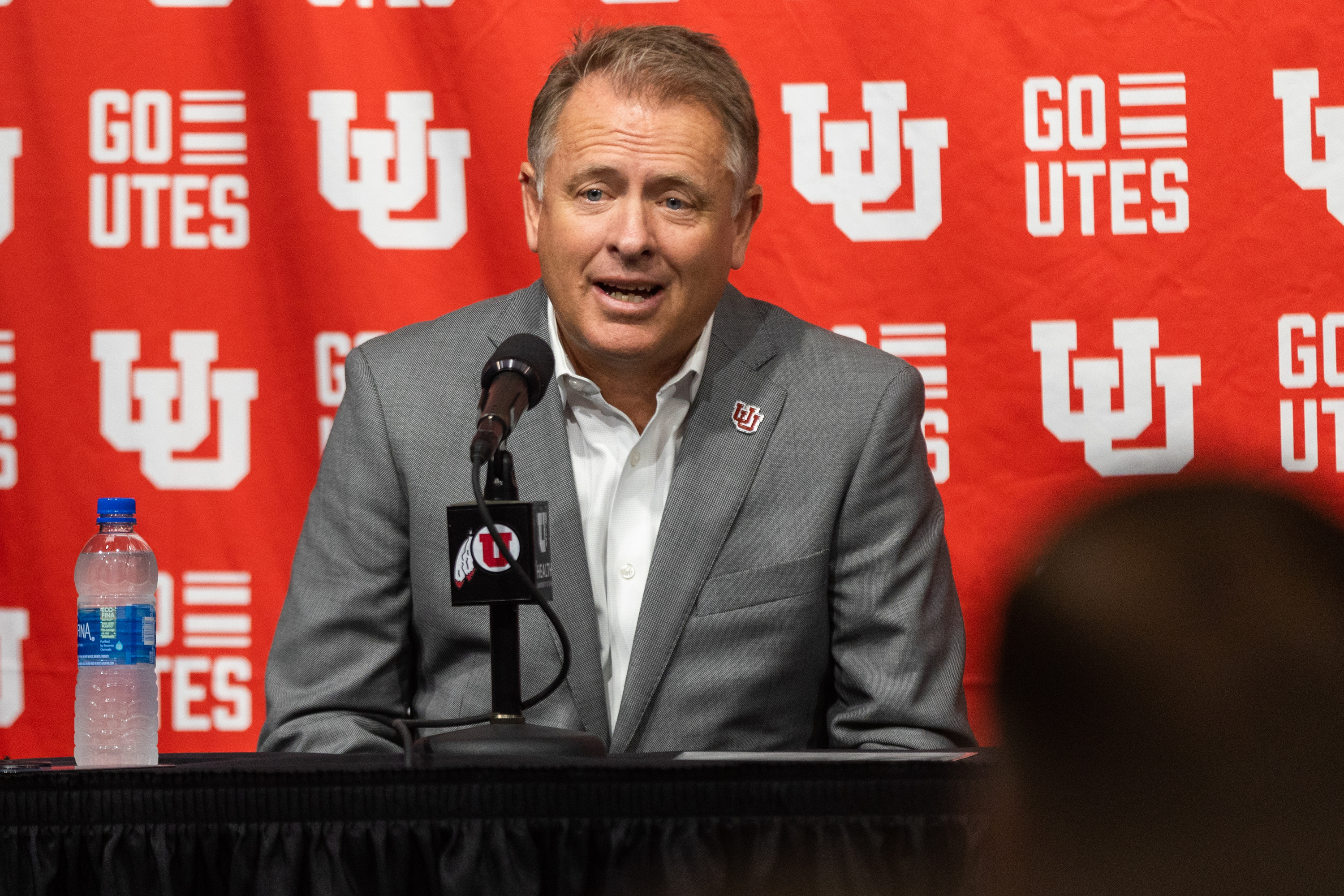
The University of Utah on Friday became the first school in the country to close a private equity deal for its athletic department, signing with New York-based Otro Capital and moving the commercial side of Utes sports into a new for-profit company called Crimson Brand Partners.
The agreement, announced June 12, 2026, takes effect July 1 and ends six months of negotiation that began when Utah's board of trustees voted unanimously in December to pursue the partnership. The university released no financial terms on Friday, though Yahoo Sports has reported the deal is expected to bring at least $500 million into Utah athletics. Whatever the real number, every athletic director in America now has a working prototype to study.
"This new company puts the University of Utah at the forefront of developing creative and strategic solutions to the financial challenges facing college athletics programs across the country."
Taylor Randall, University of Utah president
Who runs what
The structure is a clean split. Crimson Brand Partners, known during negotiations as Utah Brand & Entertainment, takes over the money-facing half of the operation:
- The company controls events at Utah's stadiums and arenas, branding, licensing and sponsorships, ticketing, and digital media.
- The athletic department keeps coaching, recruiting, scheduling, athlete support and private fundraising.
- The university retains ownership of all athletic facilities and a majority share of the company, with Otro Capital holding several board seats as a minority owner.
Utah athletic director Mark Harlan will chair the company's board. Day-to-day control goes to Matt Webb, named Crimson Brand Partners' first chief executive after eight years running corporate partnerships for the New Orleans Saints and Pelicans. He arrives with Alex Schulte, formerly of the Kansas City Royals, Saints and Pelicans, as chief commercial officer; Joel Adams as chief ticketing officer; and Garrett Best, a 20-year finance veteran, as chief financial officer.
"This isn't a sponsorship or a licensing deal; it's a real operating partnership," Webb said. "What Utah is standing up with Crimson Brand Partners will provide Utah Athletics with the resources to compete at the highest level and do it in a way that takes pressure off the rest of the university — growing the brand, growing revenue, making game days better, and freeing up university dollars for scholarships, research and students."
The company opens with roughly 15 current Utah Athletics employees and is expected to grow to as many as 70 over time. That transition has a cost already paid. The school began layoffs in the athletic department on May 29 to prepare for the handover, and says many of the people let go could be rehired by the new company.
The number nobody said out loud
Friday's announcement and the press conference that followed contained plenty of org-chart detail and zero dollar figures. The $500 million estimate comes from earlier reporting by Yahoo Sports' Ross Dellenger, who has also reported an exit window of five to seven years, with Utah holding the right to buy out Otro Capital's stake. Harlan confirmed Friday that an exit strategy exists. He declined to describe it.
"We were intentional about choosing a strategic capital partner in Otro Capital, a firm that brings financial resources and relevant operating experience, which is reflected in their ability to attract a top-tier management team," Harlan said in the school's announcement. University president Randall framed it the same way when the pursuit went public in December: We weren't interested in pure capital, we were interested in a partner.
Why Utah jumped first
The math explains the urgency. Under the House settlement, schools can share up to $20.5 million a year in revenue directly with their athletes, an option that began with the 2025-26 season. Utah's athletic department reported a $4.69 million surplus for fiscal 2025. Solvent, yes. But not by a margin that absorbs an eight-figure annual bill without new revenue underneath it.
"I would argue that there's more risks of not doing anything based on the climate that we're in and the rising costs for player compensation and operations."
Mark Harlan, Utah athletic director
Harlan added that smarter people than him had examined the agreement 15 different ways, sideways
and that he is comfortable the risks are covered.
The stated purpose reaches past football. The school says stabilizing funding through the company is meant to reduce the prospect of long-term debt, remove pressure to cut less-profitable programs and protect women's and Olympic sports, with the new entity built to fund all 19 of Utah's athletic programs over the long term.
Crimson Brand Partners opens for business July 1, the start of the fiscal year. From there the watch points are concrete: whether Webb's team can grow sponsorship, ticketing and media revenue faster than the revenue-share bill climbs, and how long Utah stays the only school on this road. Friday settled the question of whether private equity would get into college sports. What remains open is who calls next.