Why Your Phone's Battery Still Drains When It's Completely Off
A powered-down phone isn't on pause. Self-discharge, a clock circuit, and a storage habit worth breaking all quietly chip away at its charge.
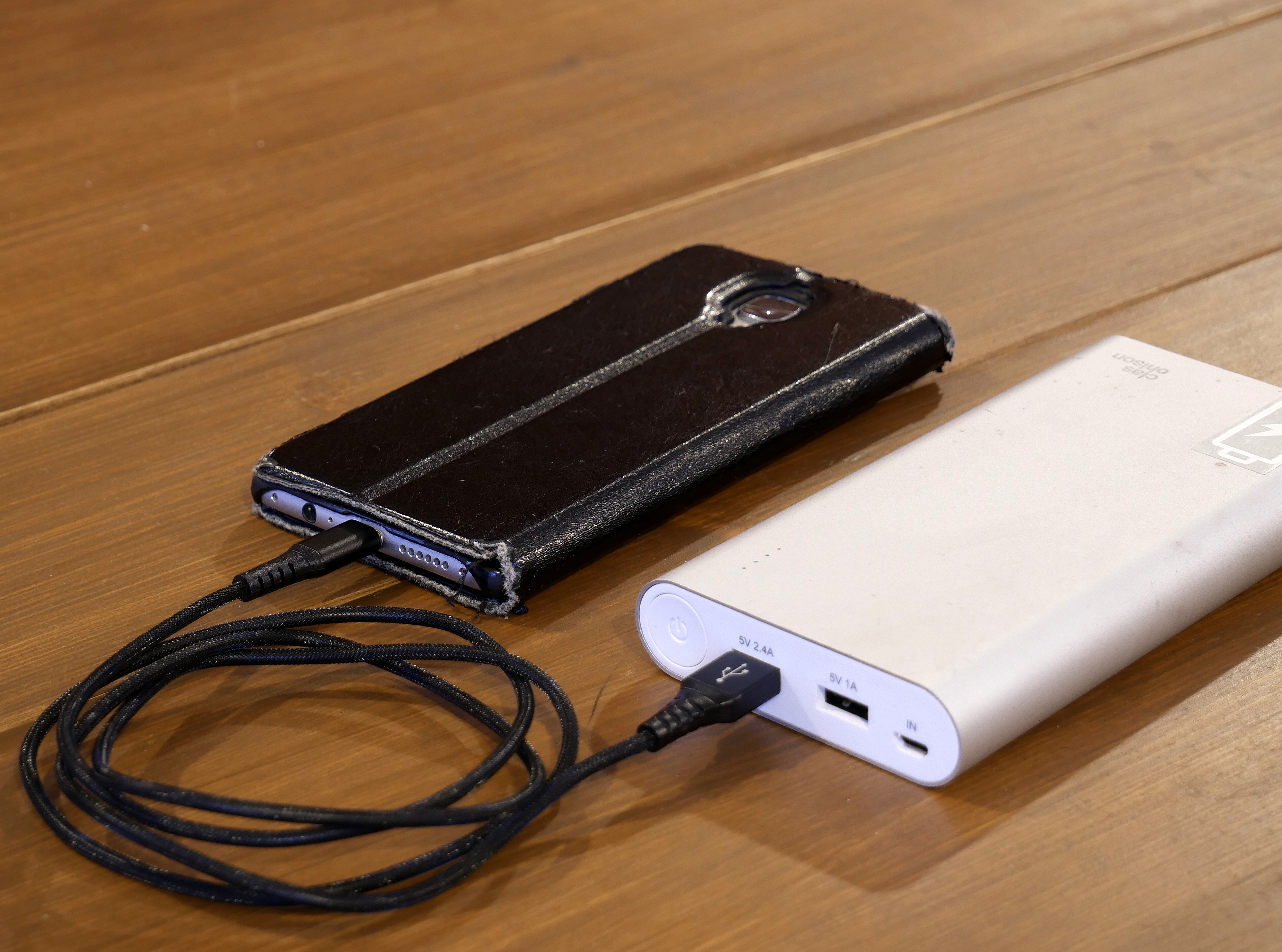
A phone powered down and left in a drawer for a month won't come back to life at the same battery percentage it had when it was switched off. It will have quietly lost one or two percent of its charge — not because anything is wrong with it, but because that's what every lithium-ion battery does, on or off.
The culprit with the most impact is self-discharge, a chemical process built into the battery itself. Engadget's Christine Persaud explained it in late July: "The battery will lose about 1-2 percent of its power every month or so when turned off. If you store it in a spot that's above room temperature, it will deplete even faster than that." No app, no setting, no rogue background process is responsible. It is the same reaction that happens inside a battery sitting unused on a store shelf.
The clock that never stops
There's a second, smaller draw that has nothing to do with chemistry: a clock-and-wake circuit. It's a tiny sliver of current that keeps the power button responsive and the internal clock ticking, so the phone knows the correct time and date the instant it boots back up. Kill that circuit entirely and a phone would forget what day it is every time the battery reached zero.
Neither drain is fast. A healthy modern lithium-ion battery, according to repair specialist Theresa McDonough of Tech With Tech, can often go "several days while a phone is off," sometimes over a week, before it needs a recharge. That's a real improvement over the nickel-based batteries phones used decades ago, which could drain completely while powered off. The tradeoff comes from a related effect called trickle charge — the small, unavoidable current loss inherent to any circuit with capacitors, which McDonough notes "becomes more pronounced as electrical systems grow in complexity."
Why storage percentage matters more than people think
Leaving a phone completely dead for an extended stretch is the scenario worth avoiding. If a battery's charge collapses to zero and stays there, it can slide into what battery engineers call a deep-discharge state. Persaud's reporting lays out the mechanism plainly: the battery's copper current collector can "dissolve, redeposit, and permanently impact the phone's battery capacity, or even potentially cause a short circuit." That's not a temporary dip — it's permanent capacity loss, sometimes serious enough to make the phone unsafe to charge at all.
Apple's own guidance, cited in the same reporting, splits the difference: store an iPhone at roughly 50 percent charge, not full and not empty, and plug it back in periodically — about every six months — to keep it topped up. That's a very different number than "charge it to 100 before you put it away," which is close to the worst thing to do to a battery destined to sit untouched for months.
Temperature compounds all of this. Keeping a stored phone below 90°F (32°C) slows both self-discharge and the aging that makes it worse over time; batteries chemically degrade faster the hotter their environment gets, and a phone forgotten in a hot car or attic will lose far more than 1-2 percent a month. None of it is a design flaw exclusive to one phone brand — it's physics that applies whether the battery is inside a flagship released this year or a decade-old handset someone finally decided to charge up again, the same way a phone's radios keep drawing tiny amounts of power under settings most people assume are fully off.
The practical upshot for anyone shelving an old phone, a backup device, or a kid's future handset: power it down, charge it to roughly half, and set a reminder to top it up twice a year. A dormant backup is also exactly the device that complicates recovering passkeys when a phone changes hands, so it's worth keeping it charged and reachable, not just powered off and forgotten. It's a small habit that keeps a stored battery's chemistry stable instead of letting it quietly ruin itself in a drawer.