Putin Admits Fuel Shortages as Ukraine's Drones Hit Russian Refineries
The Kremlin is weighing a full diesel-export ban as drone strikes deep inside Russia turn a battlefield tactic into a problem at the pump.
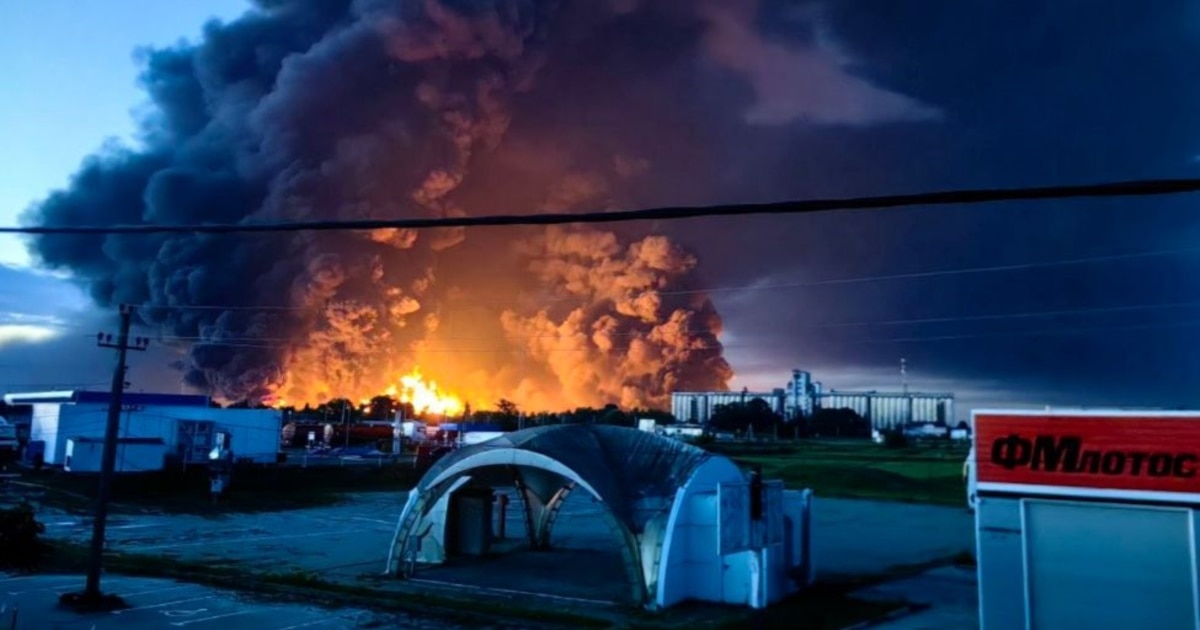
"Unfortunately, there are still lines at gas stations." Coming from almost anyone, the remark would be unremarkable. Coming from Vladimir Putin, it is an admission.
Speaking on Sunday to senior officials of the ruling United Russia party, and again in an interview released to state television, the Russian president acknowledged what drivers across the country have seen for weeks: Russia is short of fuel, and the cause is Ukrainian drones flying ever deeper into Russian territory to set its refineries alight.
Putin tried to keep the acknowledgment small. "Right now, we're observing a certain shortage, but it's not critical," he said, insisting damaged plants were being repaired quickly. But the measures he floated in the same breath told a different story. The government, he said, is weighing a drastic step for an energy superpower: "The need to introduce a complete ban on the export of diesel fuel is being considered."
The scale behind that sentence is what makes it striking. By Reuters estimates, the strikes have knocked out roughly a quarter of Russia's petrol-production capacity and dragged overall refining to its lowest level in 21 years. At least 17 regions have imposed mandatory limits on gasoline and diesel sales.
This is the point of the campaign. Ukrainian President Volodymyr Zelenskyy has been explicit that the refinery raids are "operations that weaken Russia's ability to wage this war" — turning the economics of Russia's own oil exports into a pressure point. On Sunday he said his forces had struck two more plants. "The Slavyansk oil refinery in the Krasnodar region was hit, about 300 kilometers from the front line," he wrote. "We also reached a refinery in the Yaroslavl region, approximately 700 kilometers from our border."
The reach is the message. A refinery 700 kilometers from Ukraine is far behind what most armies would consider the rear. Kyiv has spent months building the long-range drone fleet to hit those targets, and last week Zelenskyy approved a 40-day operation aimed, in his words, at pushing the aggressor toward ending the war. A strike on the Slavyansk plant on Sunday killed one person and started a fire, the Krasnodar regional governor said.
For ordinary Russians the war has arrived as a queue. Putin called for protecting fuel supplies to farms ahead of the harvest, said the country was drawing down its gasoline reserves, and promised July output would beat June's. A deputy governor of Russia's central bank warned the strain could shave something off this year's economic growth if refineries keep running below capacity.
The fuel squeeze also reaches the world price of crude, where Russian supply still moves markets even as attention shifts to the Gulf. What is harder to price is the politics. Putin said he expects American negotiators in Moscow once Washington settles its dealings with Iran, and that Russia is "ready to continue negotiations." He has said versions of that before while giving no ground on his core demands since the February 2022 invasion. The difference now is that the lines at the pumps are his to explain.