Why Larry Ellison's Scrapped $7.5 Billion Stock Sale Was Never a Secret
Larry Ellison's $7.5 billion Oracle stock-sale plan lasted one day in public view before he canceled it — a sequence only possible because of a decades-old SEC disclosure rule.
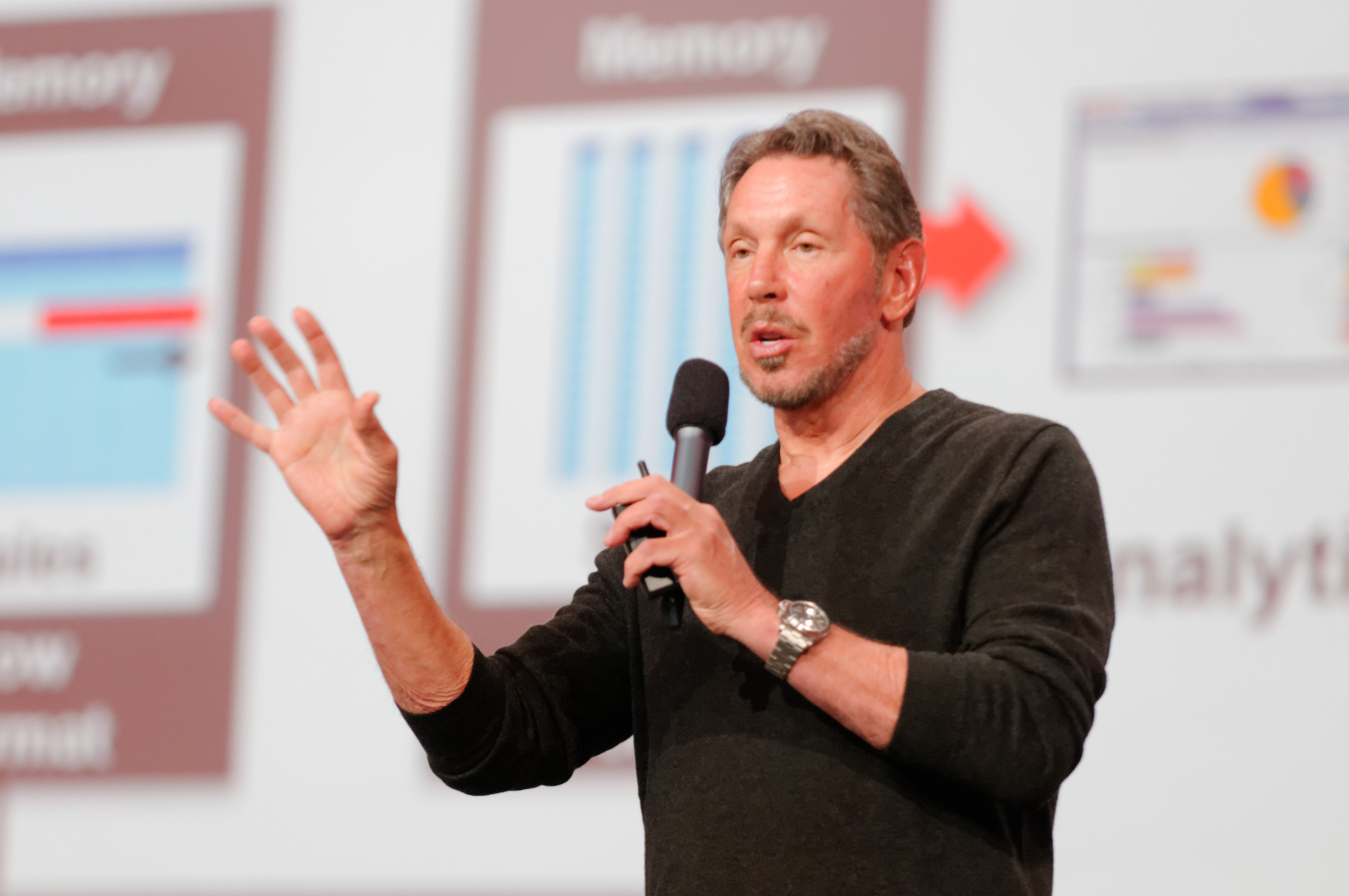
A plan to sell up to $7.5 billion of Oracle stock existed in public view for exactly one day.
On September 11, a regulatory filing disclosed that Larry Ellison, Oracle's executive chair and chief technology officer, had set up a trading arrangement permitting the sale of as many as 50 million of his shares — worth roughly $7.5 billion at the stock's recent price. By September 12, Oracle announced Ellison had canceled it. No shares were sold. The company said he has no other plans to sell any Oracle stock at all. Nobody at Oracle has said why. But the reason the whole sequence became public in the first place — adoption, disclosure, cancellation, all inside 48 hours — is not a mystery. It's a rule, and it exists because of people like Ellison.
"No Oracle stock was sold under that plan, and he has no other plans to sell any of his Oracle stock."
Oracle Corporation, investor announcement, September 12, 2026
The arrangement Ellison adopted is known as a Rule 10b5-1 plan, and virtually every senior executive at a public company has one, or has had one. The rule dates to 2000: a corporate insider — someone who by definition sits on information the rest of the market doesn't have — sets up a pre-scheduled sale of their own stock at a time when they aren't holding any material nonpublic information. A broker then executes it later, mechanically, on the dates and terms fixed in advance. The point is to let executives diversify their own net worth, which is often absurdly concentrated in one company's stock, without ever being accused of timing a sale around news only they know.
Since a 2022 update to the rule, those plans also come wrapped in guardrails that matter here. There's a mandatory cooling-off period — the later of 90 days after adoption or two business days after the company's next quarterly earnings — before a single share can actually trade. Executives generally can't run more than one plan at a time. And crucially, adopting or canceling one of these plans is itself the kind of information a public company has to disclose. That disclosure requirement is precisely why a plan that never executed a single trade still made headlines.
Line up the dates and the timing gets interesting. Ellison adopted the plan on June 22. Oracle didn't report its first-quarter fiscal 2027 results until September 10 — the same earnings that beat Wall Street's estimates, with cloud infrastructure revenue more than doubling and the company booking over $30 billion in new AI cloud contracts, pushing its total contracted backlog to $664 billion. Oracle also nudged its fiscal 2027 earnings forecast up five cents, to $8.10 a share, while holding its spending target at $90 billion to $95 billion. The stock jumped as much as 7% on the news before giving back some of the gain, closing that Friday at $150.28 — still down more than 20% for the year, as investors keep arguing over whether Oracle's AI spending will pay off or bury it in debt.
The trading plan's own 90-day cooling-off clock, measured from June 22, wouldn't have cleared until roughly the third week of September anyway — after the earnings had already landed and the market had already reacted. In other words, Ellison hadn't sold a single share, couldn't have yet, and then killed the plan entirely.
Oracle's stock is down more than 20% in 2026 even after its AI cloud backlog hit $664 billion — a reminder that for a company this size, one canceled $7.5 billion stock plan moves headlines faster than it moves the share price.
For anyone holding Oracle through a 401(k) or an index fund rather than watching SEC filings for a living, none of this changes what the company is worth or what it owes in AI infrastructure spending. What it does is remove one small, specific piece of uncertainty — the possibility that the 82-year-old who still controls more than 40% of Oracle's shares was about to become a seller at scale, right as the market was still digesting whether the AI backlog is a genuine turnaround story. corporate disclosure rules rarely make front-page news on their own — Bloomberg's writeup of the reversal is one of a dozen outlets that ran it — but they make it when the person they're written to constrain still controls more than 40% of the company and changes his mind in a day.
Post by @FT
Oracle has been here before, in a smaller way. The company's own 21,000 layoffs over the past year were framed internally as funding the same AI data-center buildout that's now driving the backlog Ellison's canceled plan was set against. And the underlying insider-trading logic isn't unique to corporate boardrooms — Congress passed its own version of the same idea, the STOCK Act, requiring lawmakers to disclose trades within 45 days; the penalty for skipping that disclosure has been stuck at $200 for over a decade. Oracle, whatever else is true about Ellison's motives, didn't skip its version. That's the whole reason there was ever anything to cancel.