Why Eggs Are So Cheap Right Now, and Who Is Paying for It
A rebuilt flock and softer demand turned the 2025 egg shortage into a glut. Shoppers are winning; many of the farms producing those eggs are not.

A dozen Grade A large eggs cost an average of $2.27 in U.S. cities in August, according to the Bureau of Labor Statistics. Eighteen months earlier, in March 2025, the same carton averaged $6.23, the highest on record. Shoppers who spent last year rationing omelets are now seeing cheap cartons advertised in store circulars again, and the obvious question is why.
The short answer is that the egg supply came back faster than demand did. The longer answer is more interesting, because it explains why the price fell even through a winter when bird flu killed millions of hens, and why the people producing those eggs are the ones absorbing the loss.
Why are eggs so cheap right now?
Eggs are a brutally simple market. Hens lay almost every day whether anyone buys the eggs or not, the product spoils, and there is no quick way to switch production off. That makes prices swing hard in both directions.
On the way up, the cause was highly pathogenic avian influenza, which forced producers to destroy entire flocks. On the way down, the cause is a flock that has been rebuilt. When NPR looked at the decline in March, there were roughly 9 million more egg-laying hens in the country than a year earlier. We've had the time to expand the flock of egg-laying chickens. And that's helped bring down prices,
David Anderson, a livestock economist at Texas A&M University, told the network.
The flock is still large. The U.S. Department of Agriculture's weekly egg market report for the week ending Sept. 28 put the table-egg layer flock at 318,247,392 birds, and wholesale large eggs on the national market traded at 39 cents a dozen. Grocery chains have noticed. The same report's feature activity index, which tracks how often stores advertise eggs, stood at 18,314, against 6,580 a year earlier. Retailers promote what they can buy cheaply, and right now that is eggs.
The American Egg Board, the industry's marketing arm, has been blunt about the glut. There's never been a better time to buy eggs. Our message right now is, pick up another dozen,
its president and CEO, Emily Metz, told NPR.
Didn't bird flu hit again this year?
It did, and that is the part of the story that surprises people. According to the American Farm Bureau Federation, nearly 21 million birds were affected by the virus between January and March 2026. In 2025 a loss on that scale sent prices to records. This time it barely dented the decline.
Two things changed. The flock entered 2026 bigger, so the same losses removed a smaller share of supply. And demand had softened. By May, the Farm Bureau said, detections had fallen to fewer than 10,000 birds, and the extra supply arrived during a time of softened demand.
That combination is what turns a recovery into a glut.
Are egg farmers losing money?
Many are. The Farm Bureau's economist Bernt Nelson put the cost of producing a dozen eggs at 79 cents in April, while the price farmers received was 35 cents. Breaking eggs, the ones sold for liquid and processed products, fetched 8 cents a dozen, 96% below a year earlier. Farmers' share of each retail egg dollar dropped to 37.6 cents in the first quarter, down 55% from 2025.
Run those numbers through a business with thousands of birds and a feed bill that doesn't care about the market, and the pain is obvious. If you can tell me a way to produce eggs and not lose money, I'm all ears,
Mike Puglisi, an egg farmer, told NPR. Smaller producers feel it most, as the Oklahoma station FOX23 found when it visited a family operation in July.
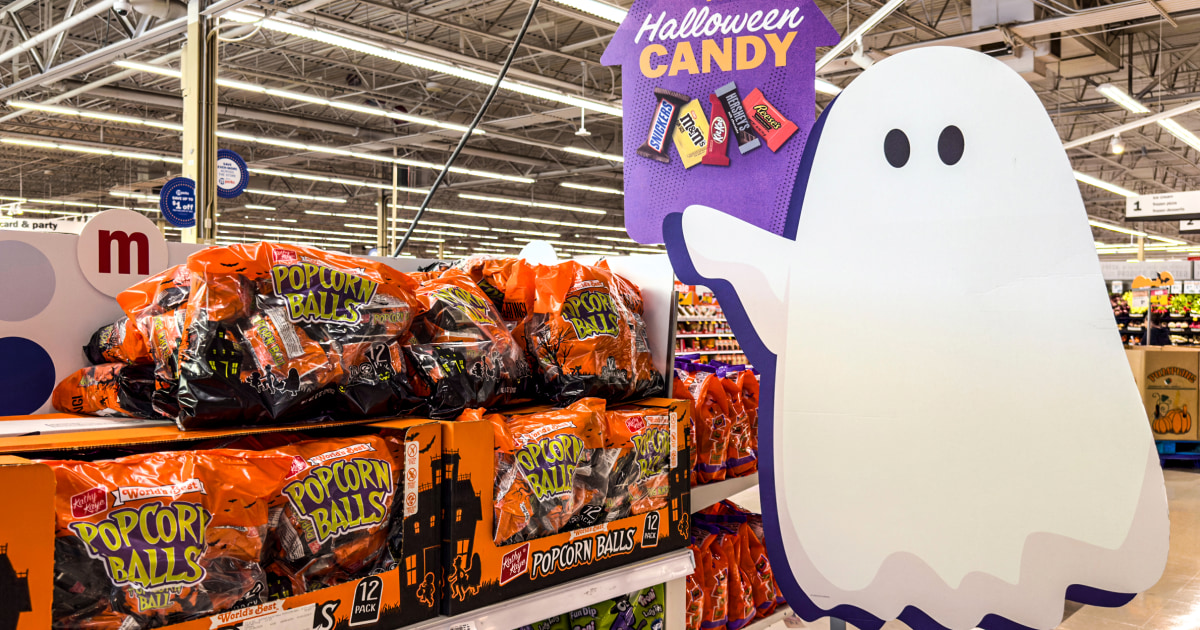
There is a gap worth noticing here. Wholesale eggs near 39 cents and retail cartons near $2.27 means the shelf price has fallen far less than the farm price. Grocers carry their own labor, transport and spoilage costs, and those didn't shrink by 90%. The same pattern showed up this fall with Halloween candy, which stayed expensive after cocoa crashed: commodity prices fall fast, but the price on the shelf comes down slowly.
Will egg prices go back up?
Not by much this year, on current forecasts. The USDA Economic Research Service's Food Price Outlook, updated Sept. 25, predicts retail egg prices will decrease 29.4% in 2026, with a prediction interval of 32.9% to 25.2% lower. It expects farm-level egg prices to fall 79.2%. The agency points to higher production, fewer bird flu detections than in 2025 and enough replacement pullets (young hens) to cover normal turnover and losses.
The caveat is the virus. Both the 2025 spike and this year's January-to-March losses came in winter, and the Bureau of Labor Statistics data already shows a small uptick, from $2.14 in June to $2.27 in August. A bad winter for the virus could tighten supply again. But a market that starts the season with a 318-million-bird flock and stores competing to advertise eggs has a lot of cushion before anyone sees $6 again.
For shoppers, the practical read is simple enough: June's $2.14 average was the lowest since November 2023, prices remain near that level, and the government's monthly price series is the place to check whether it holds. It also helps explain why store-brand groceries keep gaining market share: shoppers who learned to trade down during the spike have not all traded back up.
For the farms, the arithmetic is harder. An industry that spent two years losing birds to a virus is now losing money on the birds it kept, and the cheapest eggs in years are partly being paid for by the people who produce them.