How to Lower Cortisol: What the Evidence Actually Says
Cleanses, cocktails and 'cortisol face' are everywhere online. Endocrinologists say almost none of it works, and the real ways to calm the stress hormone are cheaper and duller than the trend admits.

Search "how to lower cortisol" and the internet will sell you a cleanse, a mocktail and a face-depuffing routine before you finish typing. Almost none of it survives contact with an endocrinologist. Cortisol is not a toxin, you cannot flush it, and the version of the hormone that shows up in viral videos bears little resemblance to the one keeping you alive.
That's the part the trend leaves out. Cortisol, made by the adrenal glands sitting atop your kidneys, is one of the body's essential regulators — it helps manage blood pressure, metabolism and blood sugar, according to ColumbiaDoctors. You need it. The goal is never to purge it; it's to keep its daily rhythm from getting stuck in the "on" position.
What actually raises cortisol?
Two things: acute stress, and a disrupted daily cycle. Your body runs cortisol on a schedule endocrinologists call the cortisol curve — highest in the morning to wake you up, tapering through the day, lowest at night before sleep. Salila Kurra, a Columbia endocrinologist who directs the university's Adrenal Center, describes that curve as the thing worth protecting. Short bursts of cortisol are normal and healthy. A brisk walk raises it. So does a hard conversation. The problem is chronic activation — the stressor that never fully switches off, the phone screen at midnight, the broken sleep that flattens the curve.
Which is why the framing of cortisol as a villain gets the biology backwards.
"'Detox' is misleading because cortisol is not a toxin; it's necessary for many important bodily functions and can be increased with healthy activities such as exercise."
Salila Kurra, MD, endocrinologist, ColumbiaDoctors
Cleveland Clinic on how stress drives cortisol production
Does a "cortisol detox" work?
No — not as advertised. There is no cleanse, supplement or program that "removes" cortisol, because it isn't a waste product to be removed. The "cortisol cocktails" circulating on social media — coconut water, orange juice, a pinch of salt — have no evidence behind them as a way to lower the hormone, as Baylor Scott & White Health and other clinicians have pointed out. What the trend gets right is almost accidental: the habits it recommends — more sleep, less caffeine late in the day, less screen time, some meditation — are genuinely useful. They just work by supporting your natural cortisol rhythm, not by detoxing anything.
So the honest version of the advice is less exciting than a cleanse, and more reliable.
How do you lower cortisol naturally?
Start where the evidence is strongest and the cost is lowest. Kurra's list is unglamorous on purpose: keep a consistent sleep schedule, eat a reasonable diet, get daylight exposure during the day, meditate if it suits you, and stop scrolling close to bedtime. Each of those nudges the curve back toward its normal shape rather than trying to blunt the hormone outright.
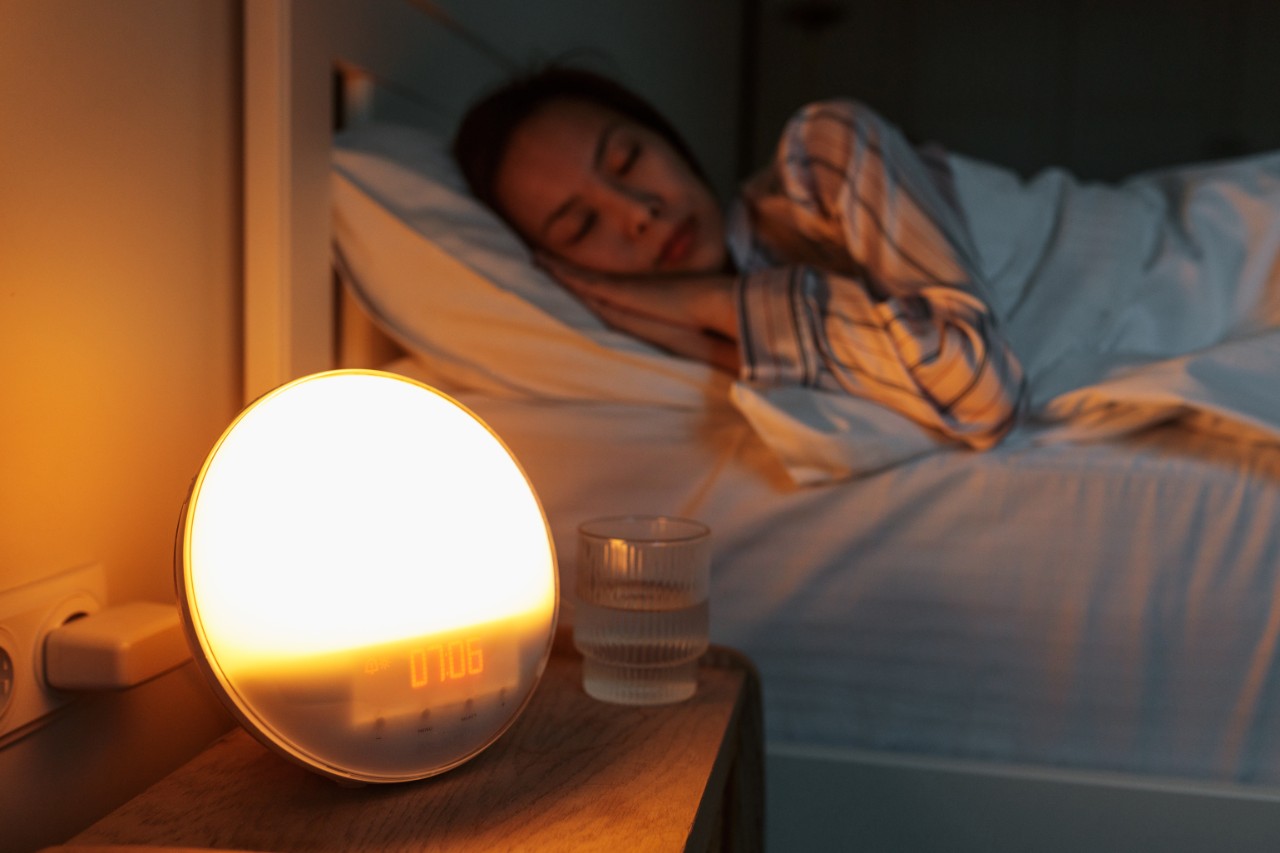
A few specifics that hold up. Morning light anchors the whole cycle — it tells your body when "high cortisol" is supposed to happen, so the evening decline lands on schedule. Sleep is the big lever, because a short or fragmented night is itself a cortisol stressor, which creates the loop where stress wrecks sleep and poor sleep raises stress. Exercise is a paradox worth understanding: a workout spikes cortisol in the moment — that's the point, it's mobilizing energy — but regular moderate activity lowers your baseline over time. Chasing a lower number during the workout misreads what the hormone is for.
What you won't find on this list is a product. That's the tell: the interventions that actually move cortisol are behaviors, not purchases.
What is "cortisol face," and is it real?
"Cortisol face" — the puffy, rounded look blamed on stress in millions of short videos — is not a recognized medical diagnosis. Everyday emotional stress rarely produces dramatic facial swelling. There is a real condition of genuine cortisol excess: Cushing's syndrome, a rare hormonal disorder in which the body produces too much cortisol over a long period, often from a tumor on the pituitary or adrenal glands, or from long-term use of corticosteroid drugs like prednisone. The Cleveland Clinic describes those as clinical problems requiring a doctor — not something a lifestyle tweak explains. Day-to-day facial puffiness is far more likely to be salt, poor sleep, alcohol or fluid shifts than a hormonal emergency.
When should you actually worry about cortisol?
When the symptoms are persistent and clustered, not vague and viral. Unexplained weight gain concentrated around the trunk and face, purple stretch marks, muscle weakness, high blood pressure and easy bruising together can point to a real disorder worth testing — and that testing is a physician's job, not a home-quiz. For everyone else, the anxiety about cortisol is doing more harm than the cortisol. If a trend is telling you an essential hormone is poisoning you and the fix costs $39.99, that's the thing to be skeptical of. The woman meditating in the park has the right idea; she just doesn't need the mocktail. Feeling wired, tired and stretched thin is worth taking seriously — as a reason to fix your sleep and your week, not to detox a hormone you can't live without.