Sleep
Circadian Depression's 23% Rests on a Questionnaire, Not a Clock Test
Of 11,380 people in an Australian depression cohort, 2,604 met at least three of six self-reported sleep-and-clock features. The study measured no body clock, and its treatment signal is a modest self-rating of antidepressants.

Under 60 or Within 10 Years: ACOG's Menopause Hormone Window, in Numbers
ACOG calls hormone therapy a strong recommendation for hot flashes, with moderate evidence behind it. Here are the risks per 1,000 women, who should skip it, and how the patch shortage changes the choice.
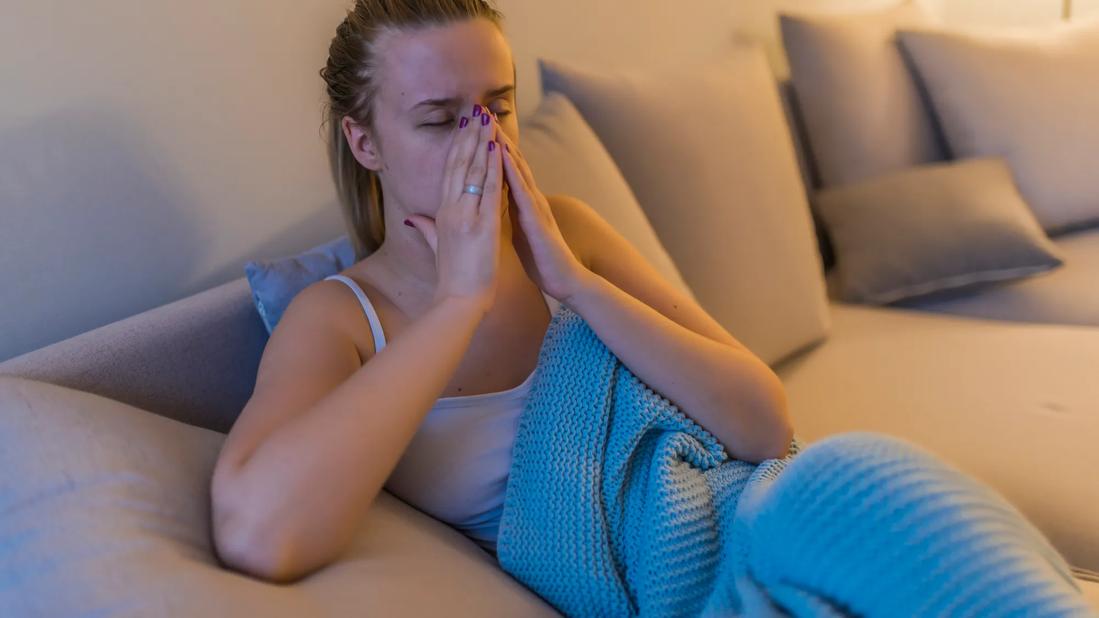
Why Allergies Hit Harder After Dark
The sneezing that waits until you're in bed has a real mechanism behind it — three of them, actually, and they compound.
Why Cold Weather Makes You Sleepy, and Why It's Really the Dark
The drowsiness that arrives every October has more to do with light than temperature, and the warm room may be doing more harm than the cold outside.

Why Ragweed Season Makes You So Tired, and What Helps
The exhaustion of fall allergy season has at least three sources, and the pill is only one of them. Here is how to tell which one is wearing you down.
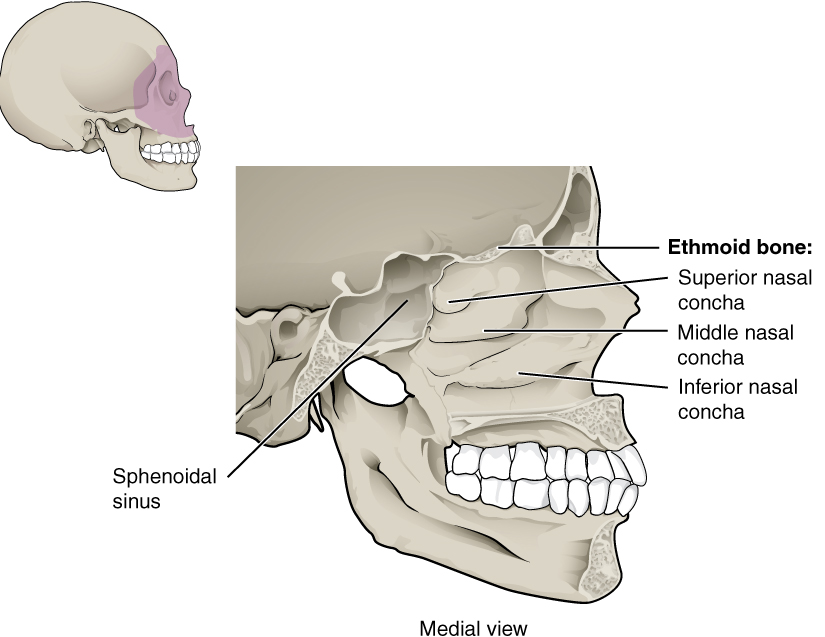
Why One Nostril Always Breathes Better Than the Other
It's not congestion and it's not your imagination: nearly everyone breathes mostly through one nostril at a time. Here's the automatic cycle behind it, and how to tell it apart from a real blockage.
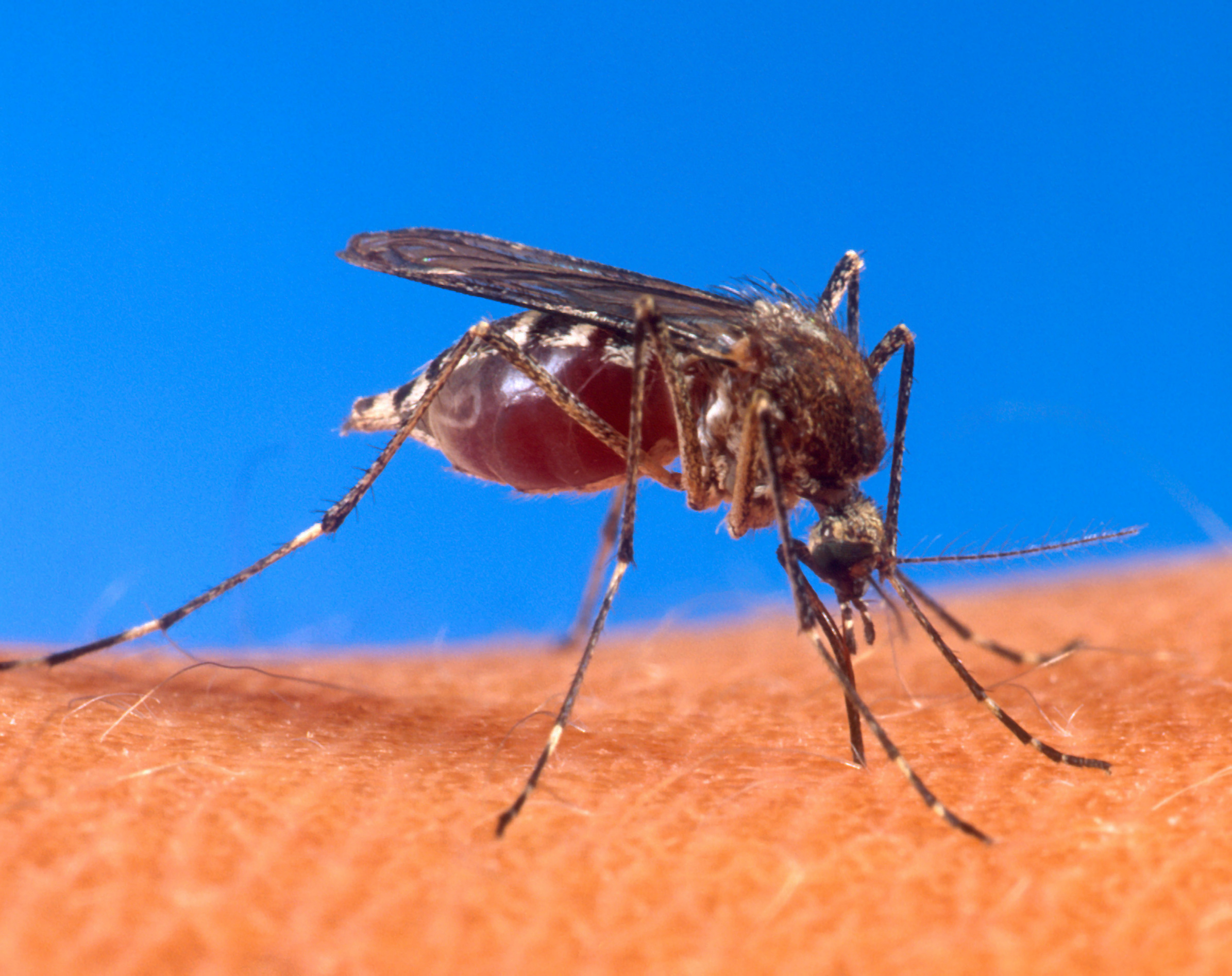
Why Mosquito Bites Itch More at Night
It's not just distraction. Cortisol bottoms out at night while histamine activity rises, and mosquitoes themselves are built to hunt hardest at dusk and dawn.
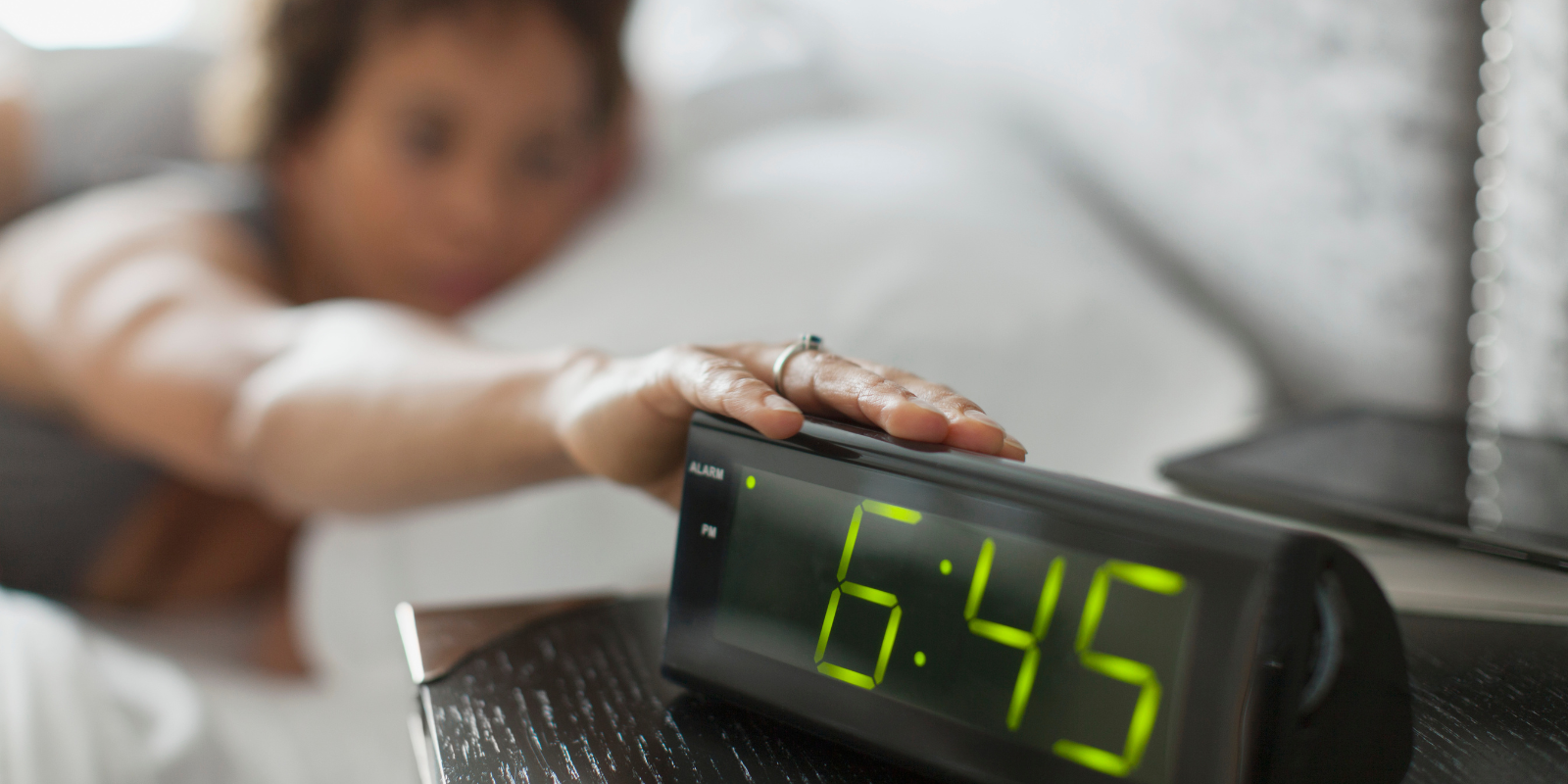
Social Jet Lag, Explained: Why Weekends Wreck Your Sleep
Seventy percent of people are biologically wired for a sleep schedule the workweek doesn't respect. Social jet lag is what happens when body clock and calendar keep disagreeing.

Ashwagandha vs Magnesium for Sleep and Anxiety: What Works
Two of the most-searched calm-down supplements do very different jobs. Here is what the evidence shows, and how to tell which one your sleep problem needs.

L-Theanine vs. Magnesium for Sleep: What the Evidence Shows
L-theanine and magnesium are the internet's favorite sleep supplements. Here is what randomized trials actually found, and which one fits sleep versus anxiety.

Magnesium Glycinate vs. Citrate: Which Should You Take?
Glycinate is calming and gentle; citrate is well absorbed but mildly laxative. Which magnesium fits sleep, constipation and daily use, and what the evidence actually shows.

How to Lower Cortisol: What the Evidence Actually Says
Cleanses, cocktails and 'cortisol face' are everywhere online. Endocrinologists say almost none of it works, and the real ways to calm the stress hormone are cheaper and duller than the trend admits.