Why American Melatonin Comes in 10 Times the Dose Most of Europe Allows
A bottle of melatonin in an American drugstore can pack five to ten milligrams; the same supplement in France is capped under two. The regulatory gap has real consequences for how families use -- and mis-store -- a hormone most people assume is harmless.
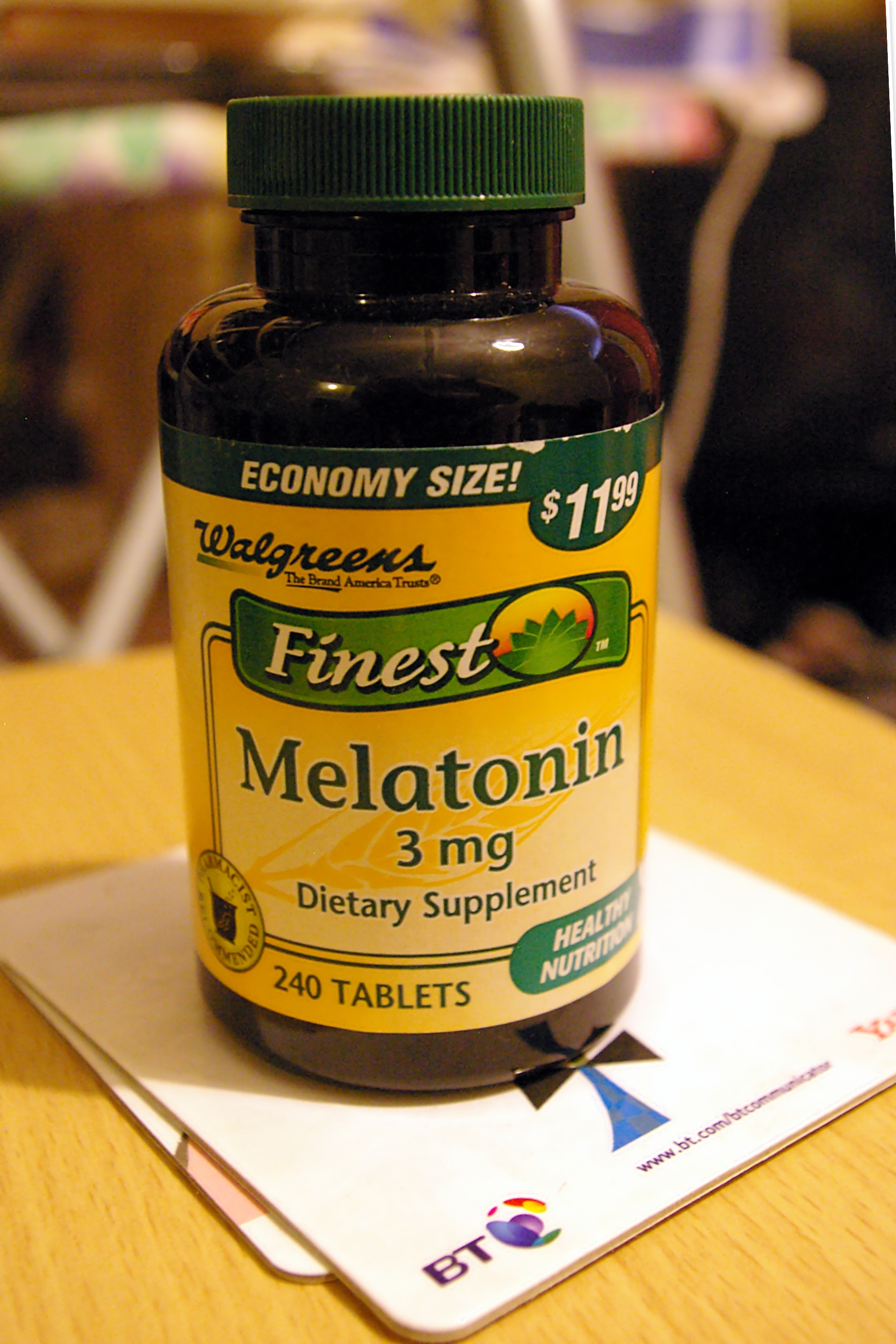
A bottle of melatonin on a Walgreens shelf in Ohio might carry 10 milligrams per gummy. Walk into a pharmacy in Lyon and the strongest version sold without a prescription tops out under 2 milligrams. Same hormone, same purpose, a dose that differs by five times or more depending on which side of the Atlantic you're standing on.
That gap isn't a manufacturing quirk. It's what happens when two governments answer the same question — how much of a sleep hormone is safe to sell next to the toothpaste — with completely different numbers.
Why the US treats melatonin like a vitamin
In the United States, melatonin is regulated as a dietary supplement under the Dietary Supplement Health and Education Act of 1994, the same framework that covers fish oil and multivitamins. That means no premarket approval from the FDA, no mandated dosage ceiling, and no requirement that the label match what's actually inside the bottle before it reaches a shelf. Manufacturers only have to avoid claiming the product treats or cures a disease. Everything else — 1 milligram, 5, 10, even 20 — is a business decision, not a regulatory one.
The result shows up in usage data. Melatonin use among US adults quintupled from 0.4% in 1999–2000 to 2.1% in 2017–2018, according to CDC research. It's cheap, unregulated in strength, and sold everywhere from gas stations to big-box pharmacies, often in gummy form aimed at both adults and kids.
Why France caps it under 2 milligrams
France draws the line somewhere else entirely. Under guidance from ANSES, the country's food-safety agency, and enforcement by the DGCCRF, melatonin products containing less than 2 milligrams per dose can be sold as a food supplement. Anything at 2 milligrams or above is classified as a medicinal product and requires a prescription. ANSES has gone further, warning that even at that lower threshold, the agency lacks sufficient long-term safety data and recommends melatonin supplements be used only occasionally — not as a nightly habit.
The pattern repeats with variations across the bloc. Some EU countries, including Germany and Finland, allow low-dose melatonin over the counter but require a prescription once the dose climbs. Others, like Denmark and Czechia, classify melatonin as a medicinal product outright, prescription-only regardless of strength. The European Food Safety Authority has authorized exactly one melatonin health claim — a reduction in the time it takes to fall asleep — and its own scientific opinion ties that effect to a 1-milligram dose taken shortly before bed.
Is a higher dose actually more effective?
Not according to the evidence EFSA relied on. The agency's scientific opinion found that higher doses in otherwise healthy people are not associated with a better effect on sleep onset — the 1-milligram reference dose performed as well as larger amounts in the studies reviewed. Sleep researchers have made a similar point for years: melatonin works less like a sedative and more like a timing signal to the body's clock, and past a certain point, more of it doesn't push a person into sleep faster. It mostly means more hormone circulating for longer.
What the higher US dose has meant in practice
The consequences aren't hypothetical. CDC researchers found that melatonin was implicated in roughly 10,930 emergency department visits for unsupervised ingestion by infants and children age 5 and under between 2019 and 2022 — 7.1% of all ED visits in that age group for accidental medication exposure. Gummies, the form most likely to be mistaken for candy, accounted for 47.3% of those cases. Poison center calls for pediatric melatonin exposure jumped 530% between 2012 and 2021; unsupervised ED visits rose 420% between 2009 and 2020.
Most of those visits didn't end in hospitalization — 93.5% of the children were treated and released. But nearly half involved a family or adult-strength formulation rather than a children's product, and melatonin bottles aren't required to have child-resistant caps.
"When children find something that looks like candy, they don't know how to eat only half of one. If a child ate 10 or 20 (melatonin gummies), they could be in a comatose state."
Hilary E. Fairbrother, MD, emergency physician, UTHealth Houston
Are US melatonin labels even accurate?
That's the other half of the problem. Independent testing cited in the CDC's own report found that the actual melatonin content of some products didn't match the label — with some found to contain more than 300% of the listed dose. In response, the Council for Responsible Nutrition, the supplement industry's own trade group, adopted voluntary guidelines in April 2024 covering labeling, formulation, and child-deterrent packaging — a self-regulatory fix for an industry the FDA doesn't pre-screen. Manufacturers were given up to 24 months to adopt them.
The same buyer-beware math applies beyond melatonin. Shoppers comparing L-theanine against magnesium for sleep or weighing ashwagandha against magnesium for anxiety and sleep run into the same gap: the dose on the front of the bottle and the evidence behind the ingredient don't always line up, because nothing requires them to.
That voluntary CRN deadline landed this past spring. The CDC has not yet published a follow-up count of pediatric ER visits to show whether tighter labeling and harder-to-open packaging actually moved the number — which means the next real test of whether America's higher-dose approach to melatonin gets any safer is still sitting in an emergency room somewhere, waiting to be counted.