Why Cold Sores Always Come Back in the Same Spot
It isn't bad luck. HSV-1 goes dormant in a single nerve branch and always follows that same route back to the skin.
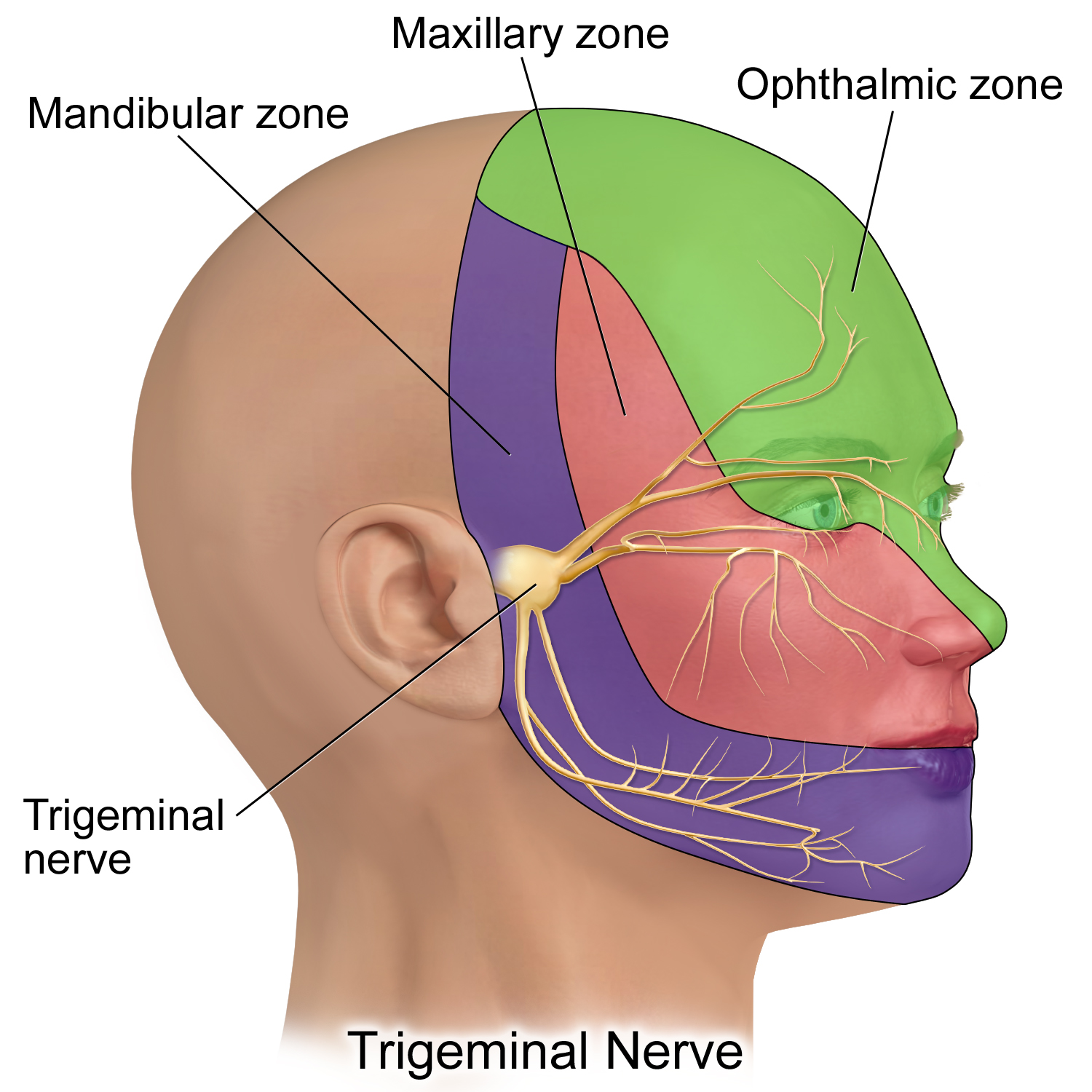
Same corner of the lip, every single time. Ask most people who get cold sores and they can point to the exact millimeter of skin where the next one will show up, months or years before it does. That precision isn't a coincidence, and it isn't about the skin at all — it's about a nerve pathway the virus has claimed as its own personal commute route.
Cold sores are caused by herpes simplex virus type 1, and more than half the people on the planet are carrying it. The World Health Organization estimates roughly 3.7 billion people under age 50 — more than half the global population — are infected, according to figures cited by HealthPartners. Most never develop symptoms. For the ones who do, the pattern is almost eerily consistent.
Why the virus doesn't just leave
After a first infection, HSV-1 doesn't stay in the skin and it doesn't get cleared by the immune system. It retreats into a bundle of nerve cells called the trigeminal ganglion, tucked near the base of the skull, and goes dormant — sometimes for years. While it's latent there, it isn't replicating and it isn't causing symptoms. The immune system, which can suppress the virus but never fully evict it, effectively loses track of it.
The trigeminal nerve has several branches, and each branch serves a specific patch of the face — one section of the upper lip, another of the lower lip, another near the nose. When something reactivates the dormant virus — stress, a cold or the flu, sunburn, hormonal shifts — the newly replicated virus doesn't go looking for a new route to the skin. It travels back down the exact branch it originally used, which is the same nerve pathway it first colonized, and surfaces at the same patch of skin that branch supplies. Different branch, different spot. Same branch, same spot, every time.
The tingle is the warning shot
Most people learn to recognize the outbreak before it's visible. A tingling, itching or burning sensation typically shows up in that same location several hours to two days before a blister appears — clinicians call it the prodromal stage, and it's caused by the virus traveling down the nerve fiber toward the skin surface before it actually erupts.
"A cold sore reappears in the same spot every time... This is because the herpes simplex virus resides in and travels along just one area of the lip's nerve cells."
HealthPartners
From there the progression is fairly predictable too: one or more fluid-filled blisters form over a day or two, the blisters burst and weep for a few days — the most contagious stretch of the whole cycle — then scab over and clear, typically without scarring. Most outbreaks resolve in seven to ten days, though a person's very first cold sore, before the immune system has built any defense against the virus at all, often runs closer to three weeks and can come with flu-like symptoms.
What actually resets the clock
Not everyone with HSV-1 gets recurring cold sores — how often outbreaks happen depends heavily on an individual's immune response, and some carriers never have a single visible episode. For people who do get them, triggers vary but tend to cluster around anything that stresses the body: illness, sun exposure, emotional strain, even changes in diet or sleep. None of those triggers move the virus to a new nerve branch. They just wake up the one it's already living in.
That's also why cold sores are worth distinguishing from other things that show up near the mouth. A pimple almost never forms directly on the lip itself, since lips lack the oil glands and hair follicles that cause acne elsewhere on the face. Canker sores, by contrast, form inside the mouth rather than on the outer lip and aren't contagious at all — a useful distinction, since the two get confused constantly despite having nothing to do with each other biologically.
There's a rough parallel to how the body handles other recurring nerve-based sensations — the same reason hitting your funny bone always produces that identical jolt down one side of your forearm is that a specific nerve, the ulnar nerve, runs an equally fixed route. The mechanisms are unrelated — one is viral latency, the other is a nerve sitting exposed near a bone — but both are reminders that nerves are wiring, not open terrain. Once a signal, or a virus, learns a route, it tends to use it again.
For most people, that means learning their own map: the same corner of the lip, the same tingle a day or two out, the same week-and-a-half cycle. It isn't bad luck repeating itself. It's a nerve doing exactly what nerves do — following the path it already knows.