Why Your Generic Prescription Keeps Changing Color
Trademark law bars generics from looking like the brand name, and pharmacy supply chains swap manufacturers often -- so your pill keeps changing, safely.
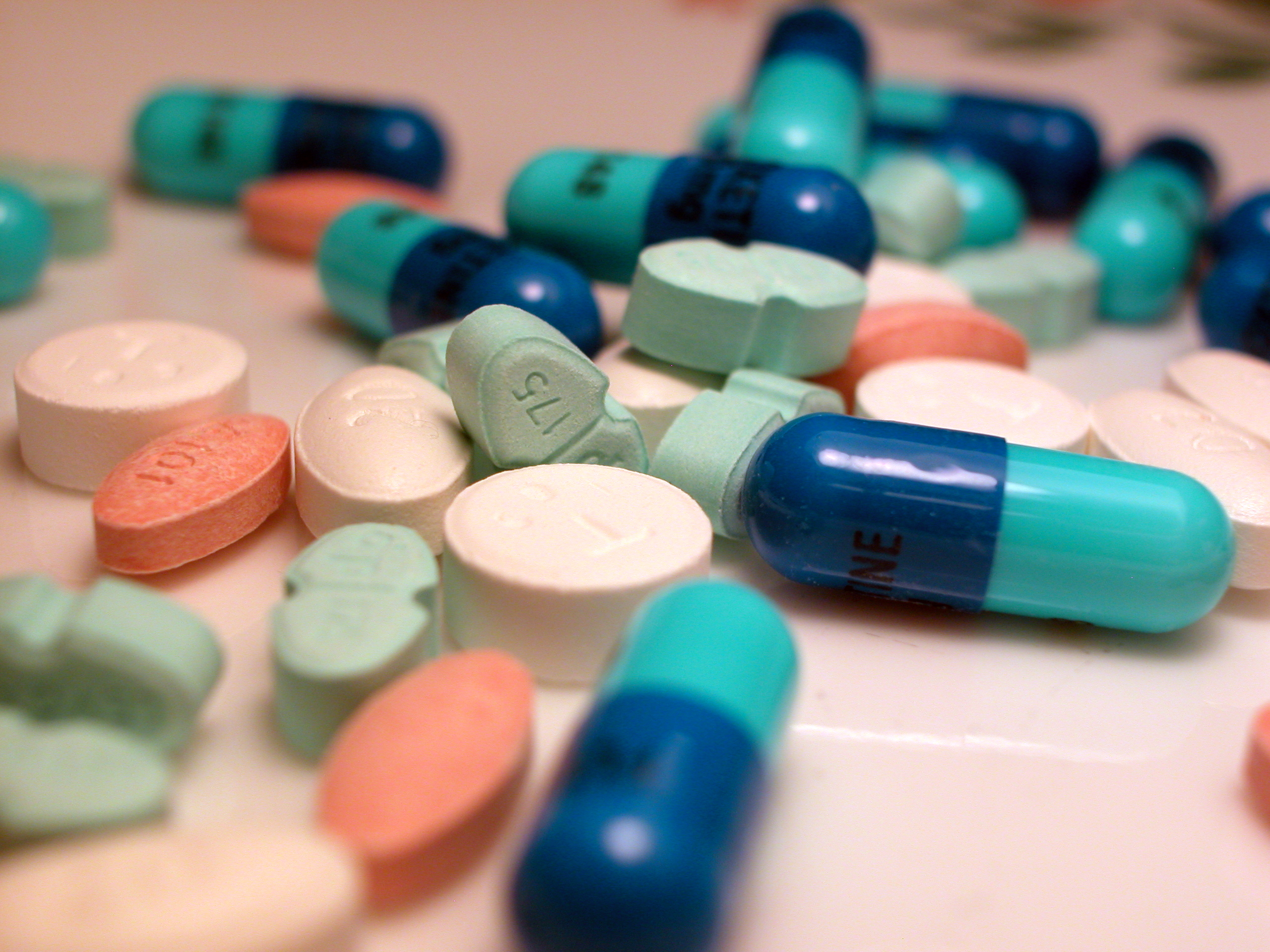
You drop off a refill for a medication you've taken for three years. Ten minutes later, the pharmacist hands you a bag with a pill that's the wrong shape, the wrong color, or stamped with letters you've never seen before. Nothing on the label changed. The pill did.
It's one of the most common sources of pharmacy-counter confusion in the country, and it happens for a reason that has nothing to do with your prescription and everything to do with how the generic drug market is built. Generic medicines make up roughly 90% of prescriptions dispensed in the United States, and every one of them is legally allowed to look nothing like the brand-name original — or like the last generic version you picked up.
Why the FDA lets this happen
The FDA is explicit that a generic drug must match the brand-name version in active ingredient, strength, dosage form, route of administration and bioequivalence — the standards that actually determine whether the medicine works the same way in your body. Appearance is not on that list. The agency's generic drug facts page states plainly that generic medicines "are required to be the same as a brand-name medicine in dosage, safety, effectiveness, strength, stability, and quality," with color, shape and imprint left out of the equation entirely.
That's not an oversight. It's trademark law working in the opposite direction from what most patients assume. According to the Association for Accessible Medicines, the industry group representing generic and biosimilar manufacturers, U.S. trademark rules don't allow a generic drug to look exactly like a brand-name product already on the market. A generic manufacturer that copied a brand's exact color and shape would be inviting a trademark claim, not avoiding one. So the pill has to look different — sometimes a different coating, sometimes a different flavor for chewables — even though, in AAM's words, "differences in taste or appearance do not affect the drug's safety or effectiveness."
Why it keeps changing, refill after refill
Trademark law explains why a generic looks different from the brand. It doesn't explain why your generic can look different from itself six months later. That part comes down to your pharmacy's supply chain. Multiple manufacturers are typically approved to produce the same generic drug, each with its own color, shape and imprint, and pharmacies buy from whichever manufacturer offers the best price at that moment. A shortage, a new contract, or a shift in wholesaler pricing can swap out the supplier — and the pill's appearance — without anyone changing your actual prescription.
That churn is more disruptive than pharmacies might assume. A national survey of patients and pharmacists, published in the American Journal of Managed Care and covered by U.S. Pharmacist, found that 51% of patients had experienced a change in the appearance of a generic drug they took regularly, and 82% said they wanted to be notified when it happened. Fewer actually were: only 36% recalled a verbal heads-up and 45% recalled a sticker on the bag. Among patients who noticed an unannounced change, 12% said they stopped taking the medication or took it less often — a real adherence risk for drugs treating chronic conditions like hypertension, epilepsy or depression, the exact categories the survey focused on.
Is it actually safe to take a pill that looks different?
Yes, according to every regulatory source on the question. The FDA requires generic manufacturers to meet the same batch-to-batch standards for strength, purity and quality as the original drugmaker, and to follow the same manufacturing rules. A different color or shape reflects a different company making a chemically identical product — not a different drug, and not a downgrade. The FDA's generic drugs program also runs inspections of manufacturing plants specifically to catch quality problems before they reach a pharmacy shelf.
What to actually do when your prescription looks different
Pharmacists and researchers agree on the same short list: check the medication name and dosage printed on the label rather than relying on memory of the pill's look, ask the pharmacist to confirm it's the same drug and strength if anything seems off, and say something if a switch makes you anxious enough that you might skip doses — since the survey data suggests that's a common, quiet response. For anyone managing a chronic condition through a system that already involves plenty of friction, from insurers requiring step therapy before covering a preferred drug to pharmacies that increasingly rely on compounding when a commercial product isn't available, a pill that looks unfamiliar is one more small variable competing for a patient's trust.
None of that makes the mismatch pleasant. A round white tablet that becomes an oval pink one overnight will always look, for a second, like a mistake. It usually isn't one — it's just the ordinary churn of a market with dozens of interchangeable manufacturers competing on price, showing up in the one place patients notice it least conveniently: their own hand.