Consumer Protection

The Rule That Was Supposed to Make Canceling Subscriptions Easy Is Stuck
The federal rule meant to make canceling a subscription as easy as signing up for one has been dead for over a year. The fines haven't stopped.

Why Smart TVs Have Microphones, and the Tracking Feature That Matters More
The microphone in your TV remote is the obvious privacy worry. The setting regulators keep going after is automatic content recognition, which reports what is on your screen from every source.

Why Cruise Ships Don't Fly the American Flag
Nearly every major cruise line is incorporated in Panama, Liberia or Bermuda, with ships flying Panama, Bahamas or Maltese flags instead of the Stars and Stripes. It's a structure worth billions in avoided U.S. tax, and it sets the wages of the crew who serve you.
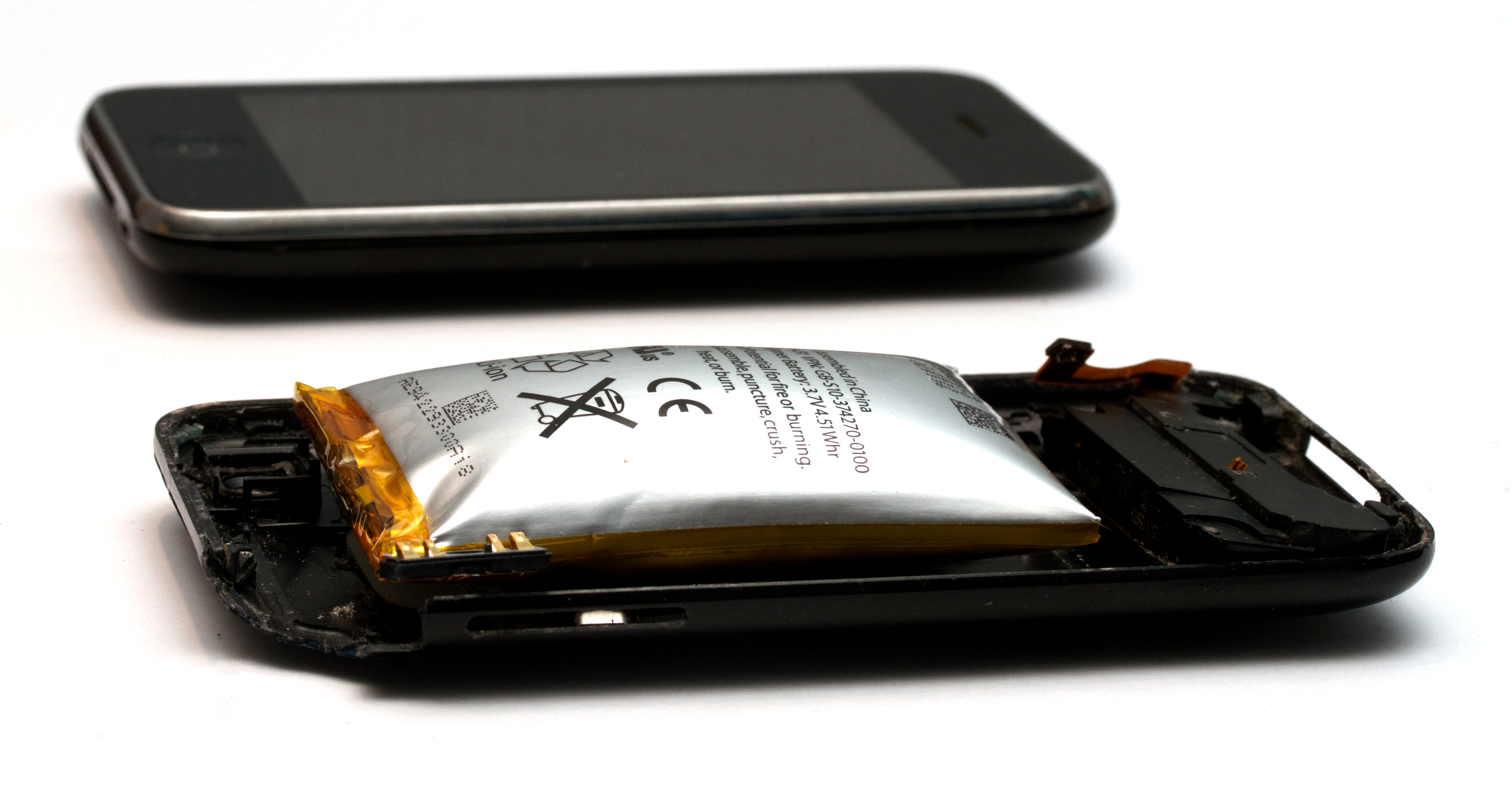
Why Phone and Laptop Batteries Swell — and What Never to Do
A puffed-up phone or laptop isn't a fixable glitch — it's a lithium-ion cell failing from the inside, and one wrong move with it can start a fire.

Why Saliva Drug Tests Have Such a Short Detection Window
Saliva tests screen for the parent drug compound itself rather than the metabolite urine tests catch, which is why they see only a day or two back instead of weeks.

Why You Can Still Get Burned by a Rental Car's Fuel Policy
Rental car fuel policies are built to collect for gas you didn't use -- from EZFuel's flat fees to inflated per-gallon refill prices at drop-off.
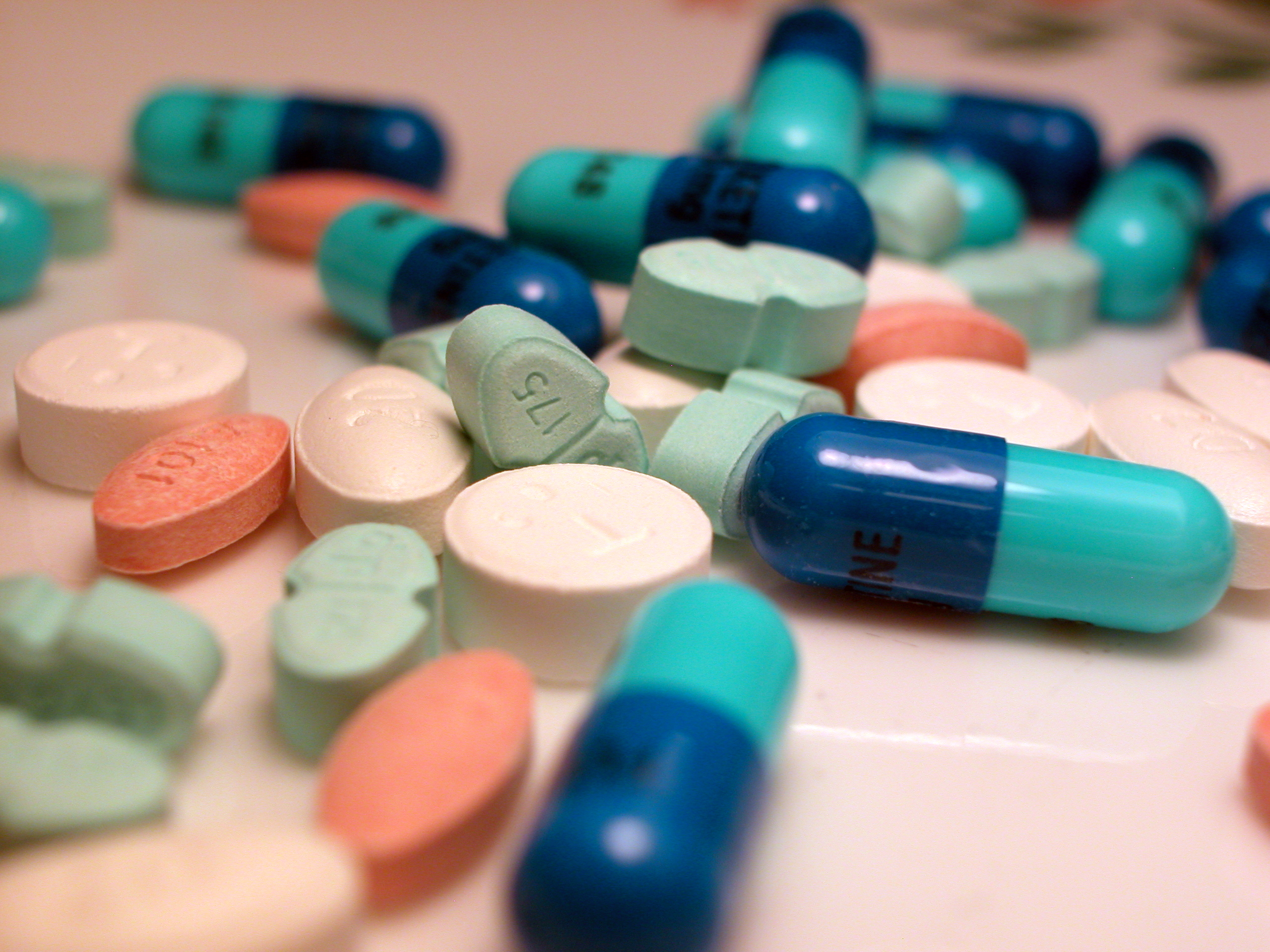
Why Your Generic Prescription Keeps Changing Color
Trademark law bars generics from looking like the brand name, and pharmacy supply chains swap manufacturers often -- so your pill keeps changing, safely.

Why a $7.85 Million Sony Settlement Won't Feel Like $7.85 Million
Sony's PlayStation Store settlement covers more than 4.4 million people, and up to a quarter of the $7.85 million goes to legal fees before anyone gets paid — a pattern that explains why most class-action payouts amount to pocket change.

Why USPS Just Lost the Power to Raise Stamp Prices Twice a Year
A federal regulator capped USPS to one mail price increase a year through 2030, reversing a five-year run of twice-yearly hikes that still left the agency $9 billion short.

Why Job Postings List Such Wide Salary Ranges
Pay transparency laws forced companies to publish salary ranges. Few laws say how wide those ranges can be, and research shows women pay the price.

Why Loyalty Points Can Vanish Overnight but Gift Cards Can't
Gift cards are protected by federal law for years. Loyalty and rewards points aren't, and companies can wipe them out overnight.

Why Canceling a Subscription Still Isn't Easy
The FTC's click-to-cancel rule was struck down in 2025 and still hasn't come back — which is why quitting some subscriptions still means picking up the phone.

Missouri's Penny-Rounding Law Kicks In Aug. 28. Here's What Changes
The U.S. Mint struck its last circulating penny in November. Now state legislatures are racing to write the rounding rules cash registers will actually use.

The 1934 Law That Makes Your Mailbox Off-Limits
Congress made your mailbox federal territory in 1934, and the law criminalizing unstamped flyers is now central to the fight over privatizing the Postal Service. Here's what 18 U.S.C. 1725 actually says.

Why Your Bank Can Hold a Deposited Check for Days
Regulation CC doesn't let banks hold your money as long as they want, it caps how long they can. Here's the real day-by-day schedule, the six exceptions that extend it, and the outer limit federal law allows.

Title Insurance Covers a Crime That Almost Never Happens
Most homeowners never file a title insurance claim. For the few who do, it can be the only thing standing between them and a multi-year lawsuit to reclaim a forged deed.

Compounding Pharmacies, Explained: Why 'FDA-Approved' Is a Lie
Compounding pharmacies aren't FDA-approved, because that approval doesn't exist for them. Here's the regulatory split behind the copycat-Ozempic crackdown, and why claiming otherwise just got 25 telehealth firms in trouble.

Who's Liable When Your Self-Driving Uber Crashes?
Waymo just told Uber it's building its own app for Austin and Atlanta. Behind the split is a messier question riders rarely think about: who pays when the car with no driver hits something.

Step Therapy, Explained: Why Insurers Make You 'Fail First'
Four in ten drug policies require patients to fail on a cheaper medication first. A wave of 2026 state laws is starting to cap how long that can take.

Force-Placed Insurance, Explained: The Coverage You Never Chose
Miss an insurance payment and a mortgage servicer can buy its own policy and add the bill straight to your mortgage, coverage that protects the lender, not you.