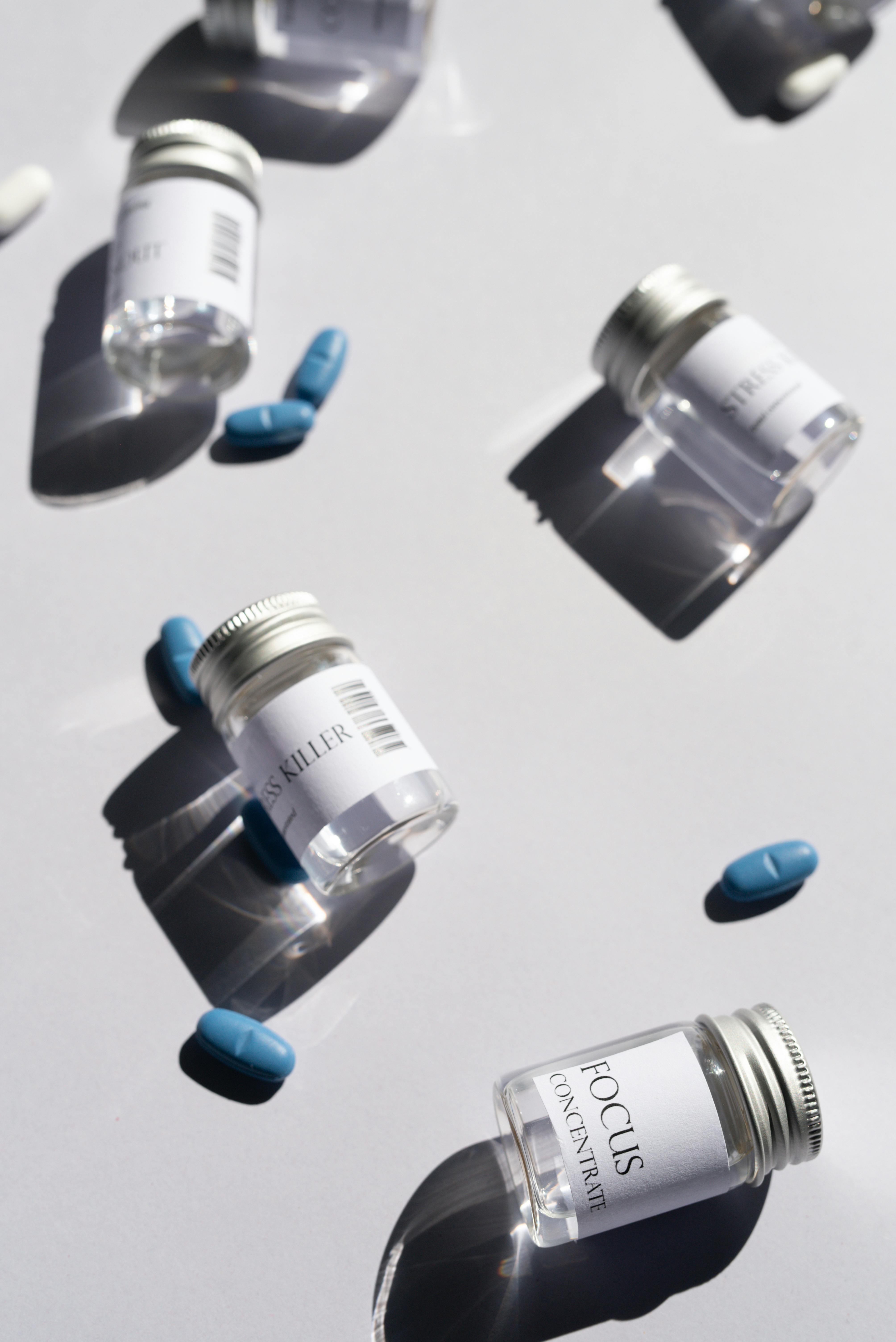
Compounding Pharmacies, Explained: Why 'FDA-Approved' Is a Lie
Compounding pharmacies aren't FDA-approved, because that approval doesn't exist for them. Here's the regulatory split behind the copycat-Ozempic crackdown, and why claiming otherwise just got 25 telehealth firms in trouble.

On June 16, the FDA sent 25 warning letters to telehealth companies in a single day. The complaint in each one was some version of the same lie: websites selling compounded weight-loss drugs were telling customers their products came from "FDA-approved" or "FDA-licensed" compounding pharmacies. That phrase doesn't exist. The FDA doesn't approve or license compounding pharmacies at all. Understanding why is the key to understanding a corner of the drug supply chain that made headlines all last year over copycat Ozempic and is now getting a much harder look.
So what is a compounding pharmacy, exactly?
A compounding pharmacy makes customized medications, combining, altering or reformulating drug ingredients for a specific patient's needs, instead of dispensing something that rolled off a factory line already packaged. It's a legitimate and long-standing part of pharmacy practice: a child who needs a liquid version of a pill-only drug, or a patient allergic to a specific dye or filler in the commercial version, relies on compounding to get medication that actually works for their body.
What makes compounding different from ordinary drug manufacturing is the regulatory bargain behind it. Under the FDA's own explanation of the relevant law, compounded drugs are exempt from the agency's standard premarket approval process, the years of clinical trials that ordinary new drugs go through, as well as from current good manufacturing practice rules, so long as the pharmacy stays within a specific set of conditions. Step outside those conditions, and the drug is treated exactly like any other unapproved medication on the market.
What's the difference between a 503A and a 503B pharmacy?
The two sections of federal law that govern compounding split it into two very different operations. Section 503A covers a licensed pharmacist in a state-licensed pharmacy, or a licensed physician, compounding a drug for one specific, identified patient, generally after receiving a prescription, though limited quantities can be made just ahead of one. These pharmacies answer mainly to state boards of pharmacy rather than the FDA, and federal law caps how much of what they make can cross state lines.
Section 503B outsourcing facilities are a different animal entirely. They can compound in bulk, without a prescription tied to a named patient, and sell to hospitals, clinics and doctors' offices. In exchange for that scale, they're registered with and directly regulated by the FDA, held to current good manufacturing practice standards, the same manufacturing rules that apply to big pharmaceutical companies, and required to report adverse events. Every batch has to be tested before it ships. It's the difference between a neighborhood pharmacist mixing one prescription by hand and a facility running an assembly line, and the law treats them accordingly.
Daybreak Wire covered the FDA's semaglutide compounding ban when it first hit patients, and that crackdown is exactly this system in action. Both semaglutide (Ozempic, Wegovy) and tirzepatide (Mounjaro, Zepbound) were compoundable in bulk by 503B facilities for one specific reason: the FDA had both drugs listed as being in shortage. Once the FDA declared the tirzepatide shortage resolved in December 2024 and the semaglutide shortage resolved in February 2025, that legal justification for mass compounding started to disappear on a phased enforcement timeline.
Why compounders are under so much more pressure now
The shortage ending should have been the end of it. It wasn't. On April 30, 2026, the FDA went further, proposing to formally strike semaglutide, tirzepatide and liraglutide from the list of bulk substances that 503B facilities are allowed to use at all, a step beyond just waiting out the shortage rule, and one that would close the door on large-scale compounding of these drugs even in future shortages. The agency's stated reason was blunt: it said it found no legitimate clinical need for these specific drugs to be compounded from bulk ingredients in the first place. A public comment period on that proposal ran through June 29.
Safety data is part of what's driving the harder line. By early 2025, the FDA had already logged more than 455 adverse event reports tied to compounded semaglutide and more than 320 tied to compounded tirzepatide, according to Medical News Today's reporting on the FDA's proposal, many involving dosing errors from patients drawing their own doses out of multidose vials, a step that a manufactured, pre-measured pen removes entirely. Those errors sent some patients to the hospital.
The June 16 warning letters targeted a narrower problem: marketing, not manufacturing. According to a client alert from law firm McDermott Will & Schulte, every one of the 25 letters cited at least one of three violations: labeling that suggested the telehealth company itself had compounded the drug when it hadn't, claims that the compounded product had been FDA-approved or evaluated for safety when it had not, and the one that keeps surfacing: claims that the compounding pharmacy or outsourcing facility supplying the drug was "FDA-approved" or "FDA-licensed." Under Sections 502(a) and 502(bb) of the Federal Food, Drug and Cosmetic Act, that kind of language makes the product legally misbranded, regardless of whether the drug inside the vial is otherwise fine. Companies got 15 business days to fix their websites or respond to the FDA's compliance office.
These letters follow the same pattern as more than 40 sent to telehealth compounders in late 2025, which suggests the industry hasn't fully absorbed the lesson yet: no compounding pharmacy, no matter how careful its lab work, can legally claim the FDA's stamp of approval. That stamp doesn't exist for compounded drugs, and it was never going to.