Why Rabid Baby Goats Can Look Perfectly Healthy for Weeks
Four baby goats at a North Carolina petting zoo tested positive for rabies without ever looking sick. Here's why infected animals can seem completely healthy until it's too late.
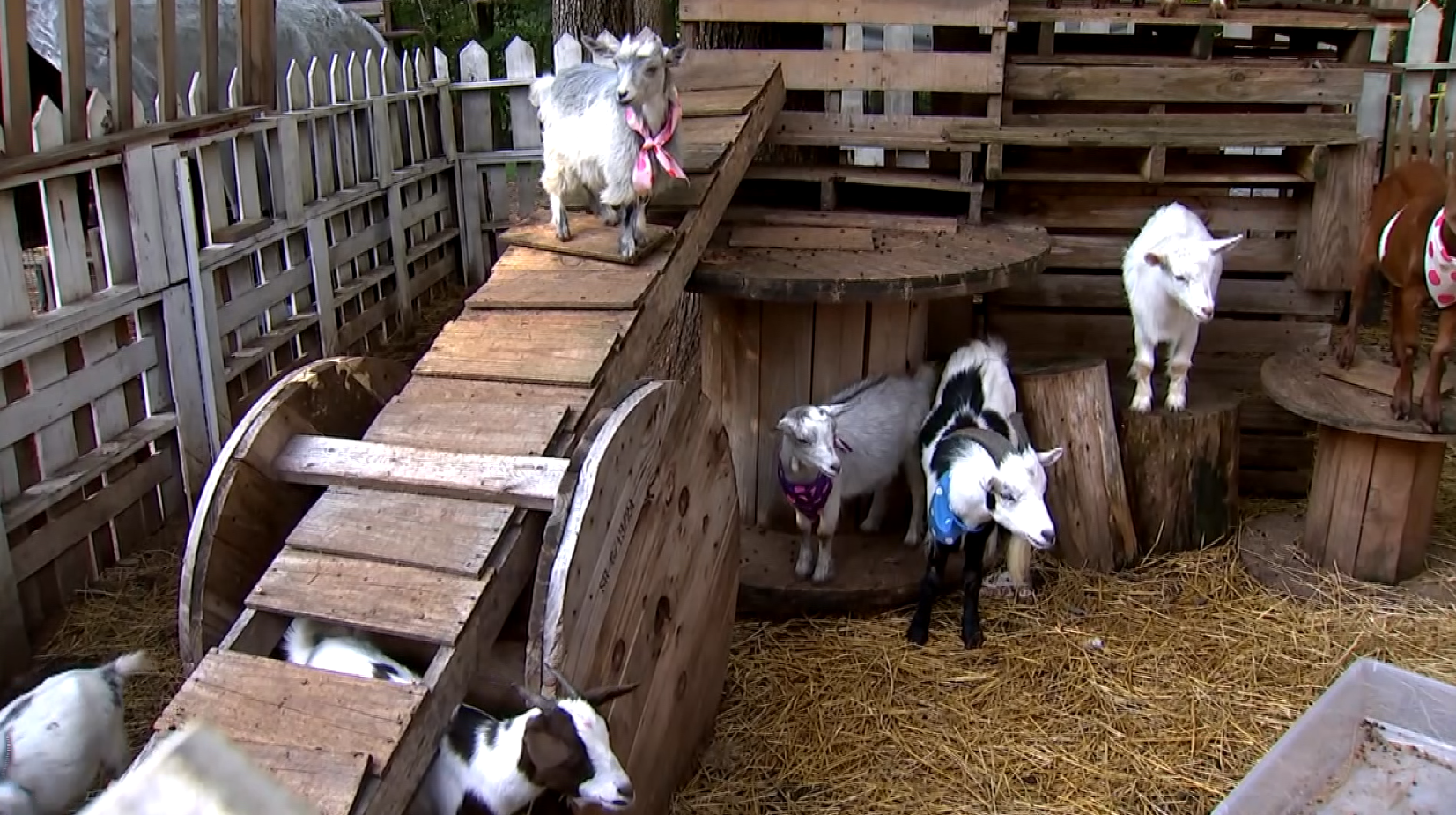
Molly, Maggie, Cow and Uno spent most of July doing what baby goats at a traveling petting zoo do: getting held, fed, and photographed by strangers at back-to-school bashes and assisted-living facilities across North Carolina. By late August, all four were dead, and state health officials were racing to find everyone who had touched them.
The North Carolina Department of Health and Human Services confirmed on Aug. 28 that the goats, from a mobile petting zoo called Farm Adventures, had tested positive for rabies. None of the animals looked sick during the weeks they were greeting visitors. That is not an oversight by the zoo. It is how rabies works, and it's the reason a single skunk bite in a goat pen in Iredell County turned into a public health response spanning six counties.
How four goats stayed contagious without acting like it
Farm Adventures said the goats were bitten by a skunk that got into their enclosure; they were too young at the time to have received a rabies vaccine. According to the Centers for Disease Control and Prevention, once the virus enters the body it doesn't head straight for the saliva glands, where it would become transmissible. It travels toward the brain first, and that trip is what's known as the incubation period — typically weeks to months, depending on the animal, the bite location, and how much virus was introduced. During nearly all of that stretch, the animal shows no symptoms and isn't yet contagious, because the virus hasn't reached the tissue it needs to spread.
Only toward the end of incubation does the virus reach the saliva, and only then does an infected animal become a real exposure risk through a bite, scratch, or lick on broken skin. By the time symptoms appear, usually a fever, weakness, or agitation, the animal is already shedding the virus and already, functionally, out of time. That gap between "infected" and "visibly sick" is the entire reason NCDHHS is now trying to track down everyone who had contact with four goats that, as far as any visitor could tell, were perfectly fine.
Why the response looks bigger than the actual risk
The petting zoo made at least ten stops in six North Carolina counties between July 28 and Aug. 27, including a back-to-school event in Lexington and private gatherings in Durham, Watauga, and Burke counties. NCDHHS is asking anyone who had contact with the goats in that window to call their local health department, and has set up a dedicated line for the public. That's a wide net for what state data suggests is a genuinely rare disease: North Carolina hasn't recorded a human rabies case since 2011, even though the state lab tested more than 4,000 animals for it in 2025 alone, about 6% of which came back positive, mostly in skunks, raccoons, bats, and foxes.
- Rabies is almost always fatal once symptoms begin — but nearly 100% preventable before that, with prompt treatment.
- Post-exposure prophylaxis is a short course of wound cleaning, an immune-globulin shot, and a vaccine series, not a single painful injection.
- Roughly 100,000 Americans receive that treatment every year after a possible exposure, and fewer than 10 develop rabies.
That asymmetry, a nearly 100% fatal disease with a highly effective preventive treatment, is exactly why health officials would rather notify ten counties' worth of petting-zoo visitors than risk missing the handful who were actually exposed. It's a low-probability, high-stakes calculation, and it's the same logic that drives the aggressive contact tracing seen in other animal-borne outbreaks, including the case-by-case tracking used against the record-breaking Ebola outbreak in the Democratic Republic of Congo, a very different virus built on the same basic premise that catching an exposure before symptoms start is the only real chance you get.
Farm Adventures euthanized the four infected goats "to prevent further spread," the zoo said in a statement, and no other animals in its collection have tested positive. For anyone who visited one of its stops this summer, the practical takeaway from the CDC's own guidance is straightforward: a healthy-looking animal isn't the same thing as a rabies-free one, and if there's any real doubt about contact with a bite, scratch, or saliva, a call to the local health department costs nothing and closes the question fast.