The Byrd Rule, Explained: How the Senate Strips 'Extraneous' Bills
One procedural rule, named for a West Virginia senator, decides which provisions survive a reconciliation bill — and it shaped how the 2025 tax law was written.
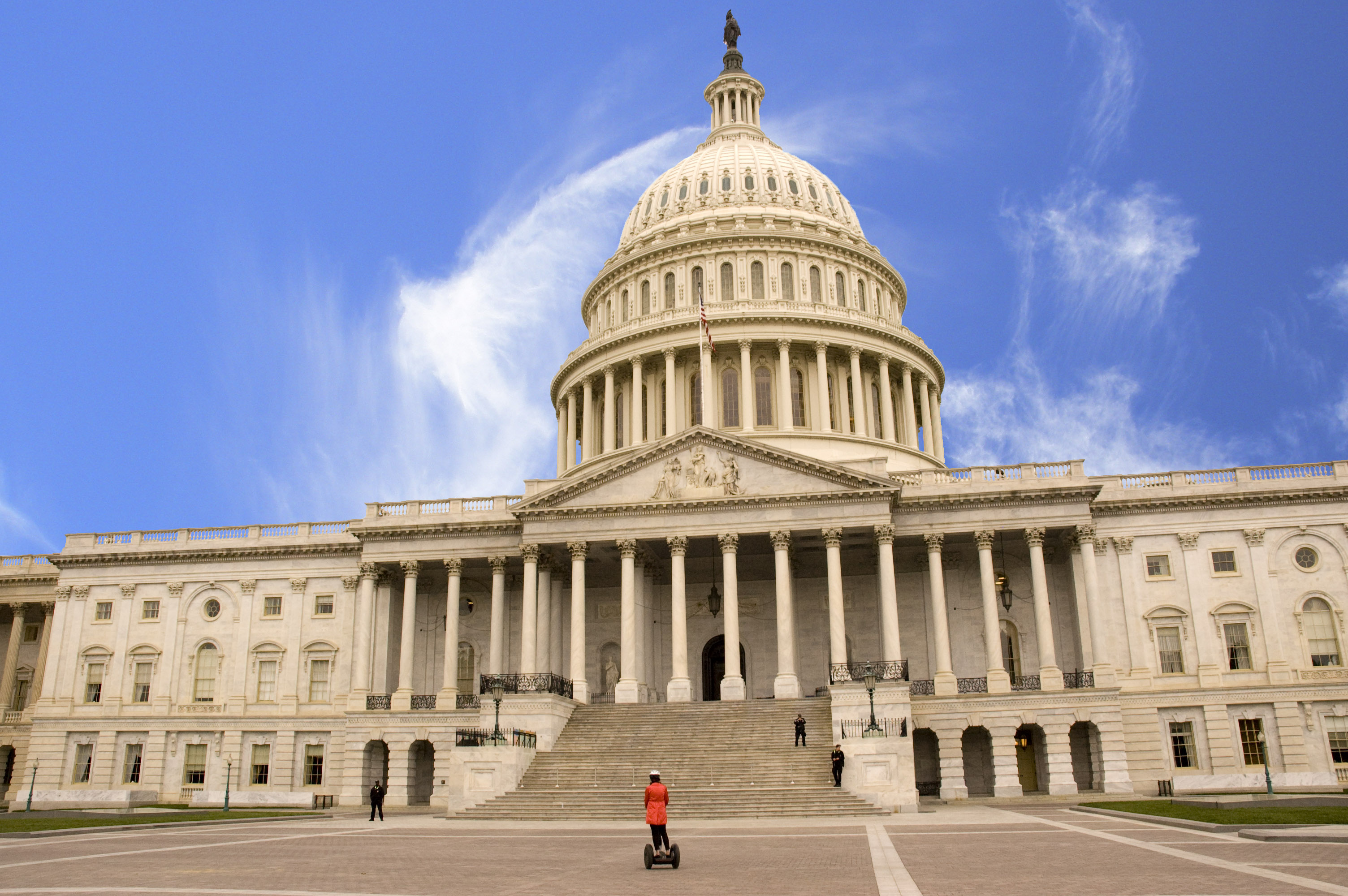
Congress passed the One Big Beautiful Bill Act in 2025 by leaning on a maneuver the Senate parliamentarian had never blessed before: measuring the bill's cost against a "current policy baseline" instead of the usual current-law baseline. That framing let lawmakers extend the expiring 2017 tax cuts without technically adding to the deficit on paper. It worked because of a 51-year-old procedural rule that most Americans have never heard of, and that quietly shapes almost every major spending bill Congress writes.
That rule is the Byrd Rule. It is the single biggest reason major reconciliation bills get drafted to survive one specific procedural test, sometimes at the expense of the policy lawmakers actually wanted.
What reconciliation is for
Reconciliation is a fast-track process created by the 1974 Congressional Budget Act that lets Congress pass tax, spending and debt-limit changes with a simple Senate majority instead of the usual 60 votes needed to break a filibuster. Twenty-four reconciliation bills have become law since 1980, including the 2001, 2003 and 2017 tax cuts, parts of the Affordable Care Act, the American Rescue Plan Act, the Inflation Reduction Act and the One Big Beautiful Bill Act. Four more passed Congress and were vetoed — three by President Clinton, one by President Obama.
Why is it called the Byrd Rule?
Named for the late Senator Robert Byrd of West Virginia and written into Section 313 of the Budget Act, the rule disallows what it calls "extraneous matter" in a reconciliation bill — provisions that do not genuinely change spending or revenue. Any senator can raise a point of order against a provision they believe is extraneous, or "Byrdable." The Senate parliamentarian advises the presiding officer on whether the objection holds, and the presiding officer almost always follows that advice. Overturning the ruling takes 60 votes — the same threshold reconciliation exists to avoid in the first place. The rule was codified into statute in 1985.
What counts as "extraneous"?
According to the Committee for a Responsible Federal Budget, three restrictions do most of the work. A provision fails the test if it has no real budgetary effect, or only an "incidental" one; if it touches Social Security spending or dedicated revenue, which is walled off entirely; or if it would add to the deficit beyond the reconciliation bill's budget window — typically ten years — unless the cost is offset elsewhere in the same section.
The rule has already reshaped two of the decade's biggest fights. During the 2017 push to repeal the Affordable Care Act, the Byrd Rule blocked lawmakers from repealing the individual mandate outright or changing how insurers could price policies by age — both were ruled "merely incidental" to the budget, even though they had real fiscal consequences. Lawmakers found a workaround: instead of repealing the mandate, the Tax Cuts and Jobs Act zeroed out its penalty, which had the same practical effect without technically touching the underlying law. In the 2021 American Rescue Plan, the same rule kept a minimum-wage increase out of COVID relief legislation entirely.
The "Byrd Bath," and how lawmakers work around it
Before a reconciliation bill reaches the floor, Senate staff typically walk every provision past the parliamentarian in a process informally called the "Byrd Bath" — fixing or dropping anything likely to draw an objection rather than risk losing it live on the floor. It is not a perfect shield. The 2025 reconciliation bill tested the rule's edges again when Senate Budget Committee leadership measured the cost of extending the 2017 tax cuts against a "current policy" baseline rather than current law, effectively treating expiring tax breaks as already permanent for scoring purposes. The parliamentarian let it stand, setting a precedent that the long-term deficit test does not apply when a bill extends policy that already exists — even if the earlier version was written to expire specifically to satisfy the Byrd Rule the first time around.
Can the Byrd Rule be waived?
Yes, but not cheaply. Because overturning a parliamentarian's ruling takes 60 votes, waiving the rule generally requires the same bipartisan supermajority reconciliation was built to bypass. That is precisely why the rule holds: a majority party rarely has 60 votes lying around, so provisions ruled extraneous tend to just get dropped rather than fought over.
What the Byrd Rule cannot do is stop a reconciliation bill outright. A "Byrdable" provision gets struck from the bill, not the whole package — the rest moves forward on the same fast-track terms. That surgical quality is exactly why it has survived, largely unchanged, since Reagan-era Democrats and Republicans alike decided that a process built to speed up budget math shouldn't quietly become a backdoor for unrelated policy. Whichever party controls Capitol Hill next writes its priorities knowing a Senate staffer with a stopwatch and a rulebook gets the final word on what counts as budget.
It is one piece of a wider pattern in how Congress bends its own rules to move fast: the same instinct shows up in the discharge petition that forces a House floor vote and the pocket rescission the GAO has called an illegal way to cancel spending without a vote at all.