Starmer May Set Resignation Timetable as Burnham Is Sworn In
The question in Westminster is no longer whether Keir Starmer can hold on, but how he leaves — and whether Andy Burnham can convert a by-election landslide into the leadership.

The question in Westminster is no longer whether Keir Starmer survives, but on what timetable he leaves. Britain's prime minister is expected to set out the terms of his own departure as soon as Monday — the same day his rival, Andy Burnham, is sworn into the House of Commons.
Starmer has insisted publicly that he will stay and, if challenged, will stand. But the arithmetic moving against him is hard to argue with. By mid-May, more than 95 Labour MPs had called on him to resign or name a date, according to the Associated Press, and a string of ministers had already walked. The trigger for the latest crisis was a single by-election result.
Burnham, the outgoing mayor of Greater Manchester, won Thursday's Makerfield by-election with 54.8% of the vote and a majority of more than 9,200 — well beyond what polls had forecast against Reform UK. The seat was vacated by Josh Simons specifically to let Burnham stand. Winning it returns him to Parliament for the first time since 2017 and, crucially, makes him eligible to contest a Labour leadership election. He is reported to have the backing of around 200 Labour MPs.
"I know he is a prime minister who always puts his country first."
Business Secretary Peter Kyle, speaking to the BBC on Sunday
Kyle described Starmer as taking time to weigh "the political realities, challenges and opportunities that he finds himself in," while insisting that reports of an imminent resignation were "speculation." That is the careful language of a cabinet that has not yet been told the decision.
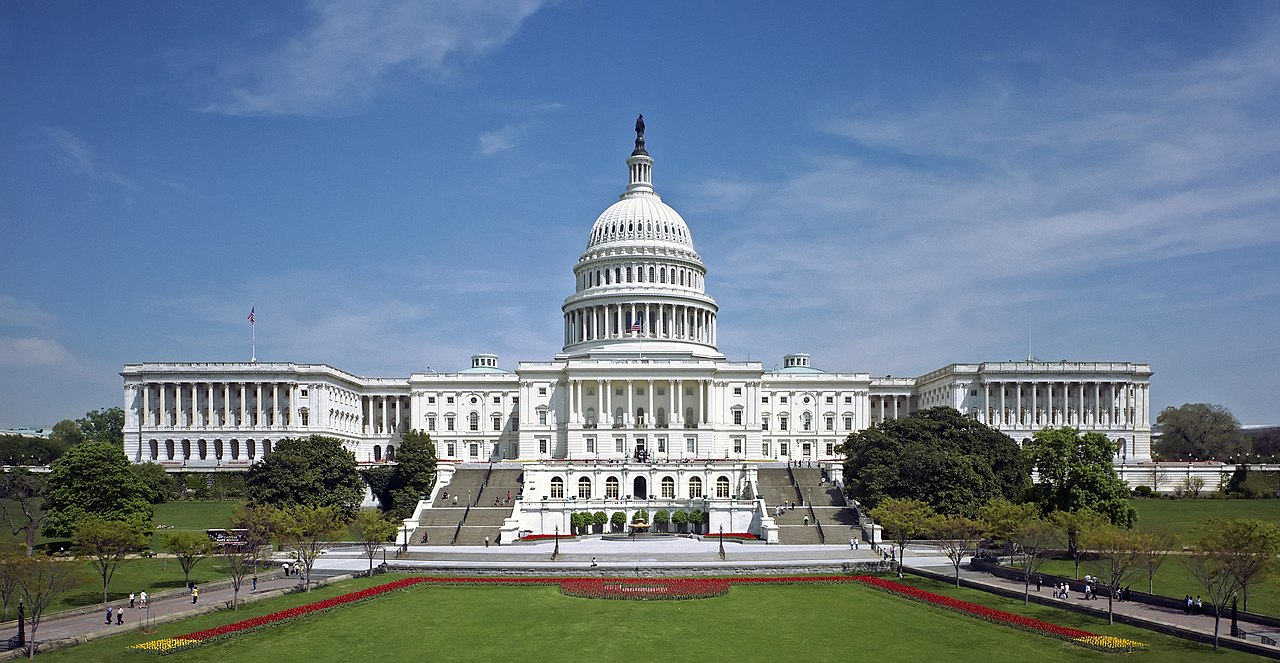
The procedural detail matters here, because it sets the clock. Burnham takes his seat Monday. A sitting MP can be nominated in a leadership contest; a mayor cannot. The moment he is sworn in, the path from by-election winner to leadership candidate is open, and every day Starmer delays a decision is a day that path stays visible to his own backbenchers.
How Britain arrived here is a study in how fast a mandate can drain. Starmer led Labour to a landslide in July 2024, the party's biggest Commons majority in a generation. Less than two years on, discontent over the government's record and a bruising fight over defence spending — which cost it the defence secretary and two other ministers — has left colleagues openly canvassing replacements.
The noise has gone international. President Trump, with whom Starmer has had a difficult relationship, told reporters on Sunday that the prime minister "will resign," adding, "I wish him well." It is the kind of intervention Downing Street can neither confirm nor swat away without making the story bigger.
Burnham, for his part, has framed the win as a verdict rather than a vacancy. In his victory speech he called the result a "final chance to change" for Labour and pitched a "Makerfield test" — judging policy by whether it works for places Westminster has neglected. Whether that survives contact with a leadership campaign is another matter. As the pressure built over the weekend, the one thing both camps agreed on was the date everything turns on. Monday, the Commons sits, and a new member takes the oath while the man who leads his party decides how much longer he wants to.