Genetics
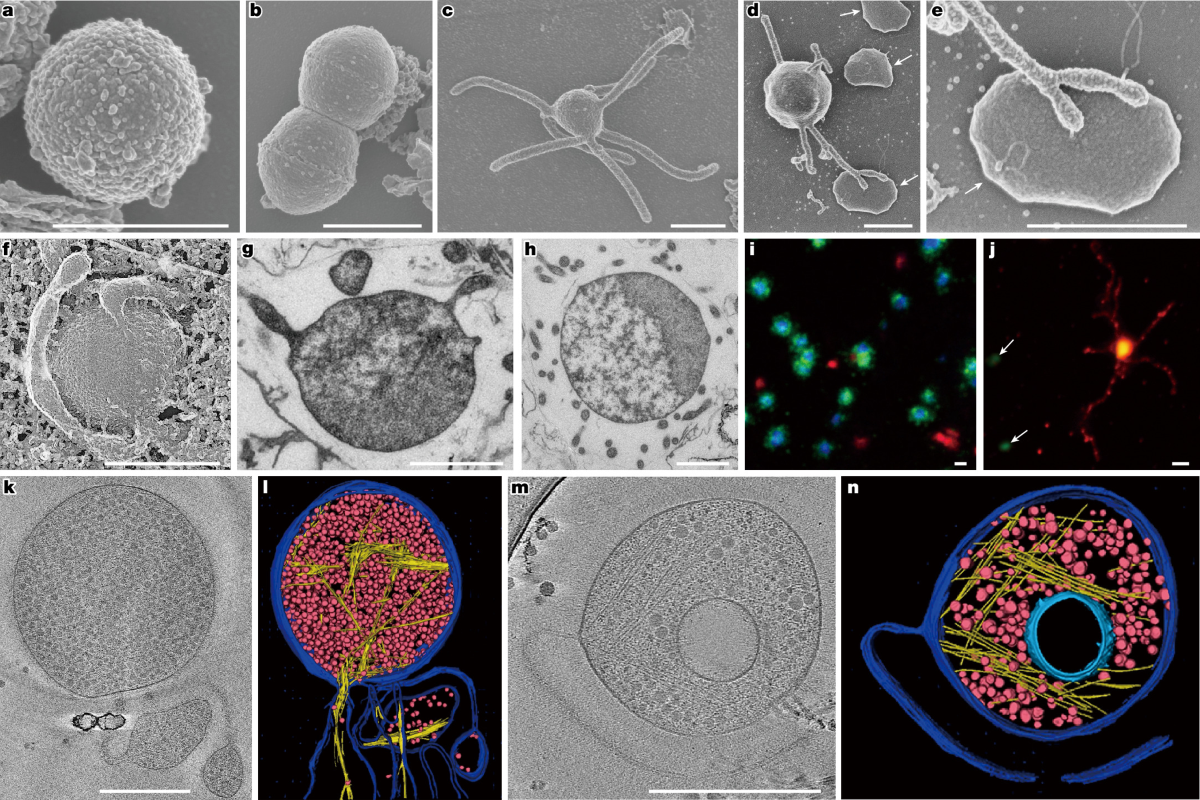
Two Archaea From a Gas Well Hint Complex Cells' Ancestor Was Plain Inside
Two archaea grown in Japan have no nucleus, live on peptides and need a methane-making partner. They narrow how complex cells may have begun, but they rest on two strains from one well.
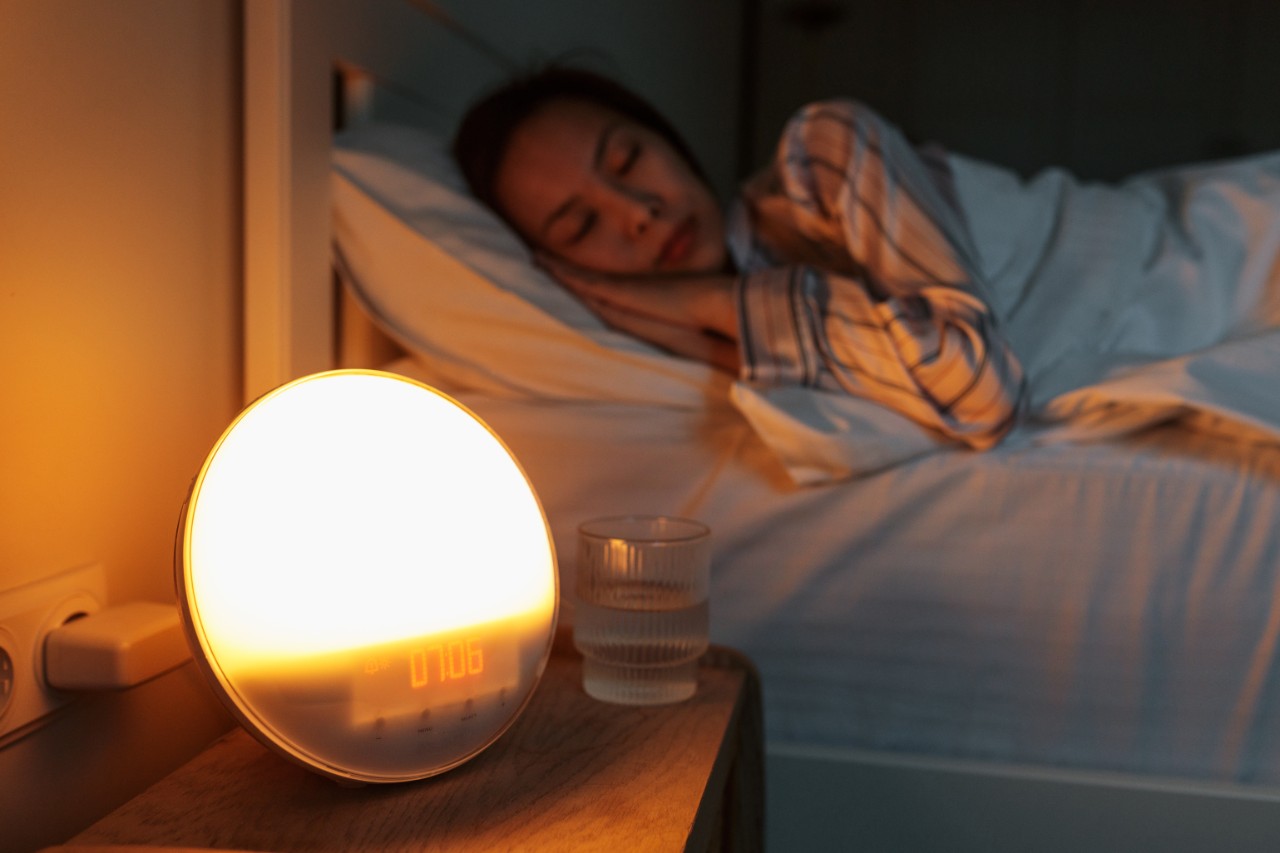
Circadian Depression's 23% Rests on a Questionnaire, Not a Clock Test
Of 11,380 people in an Australian depression cohort, 2,604 met at least three of six self-reported sleep-and-clock features. The study measured no body clock, and its treatment signal is a modest self-rating of antidepressants.
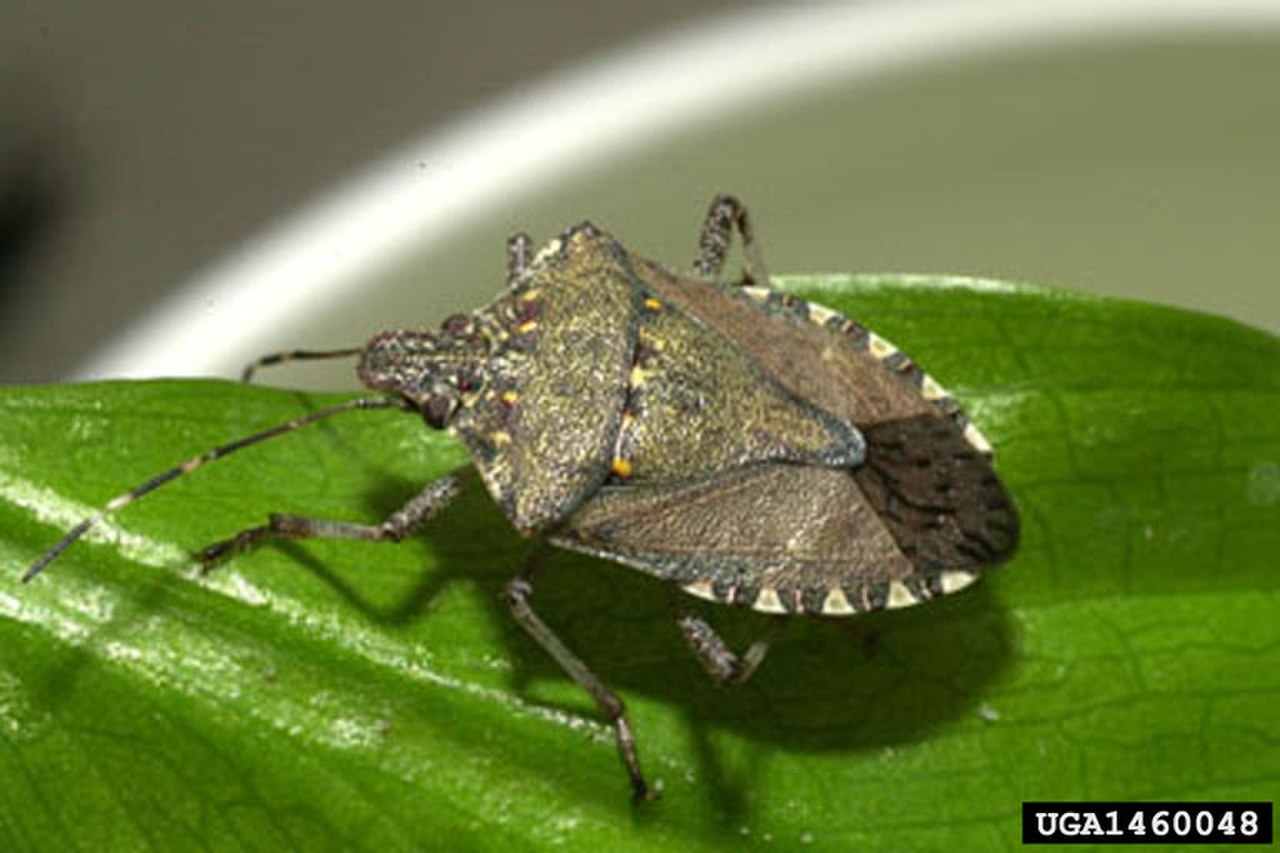
Why Stink Bugs Smell Like Cilantro: The Shared Molecule Explained
The comparison is not in your head. Stink bugs and cilantro share an odor molecule, and the same chemistry helps explain why some people think the herb tastes like soap.

Why Some People Get Motion Sick and Others Almost Never Do
Two people can sit in the same back seat and have completely different afternoons. The difference traces back to how tightly the brain's balance system is wired, and to genes researchers are only now starting to map.

Why Mosquitoes Bite Some People More Than Others
Roughly 1 in 5 people get bitten far more than everyone around them. Blood type, sweat chemistry, exercise and genetics all contribute, and the beer connection remains an unsolved mystery.