U.S. and Iran Declare an End to the War, Signing Set for Friday
Pakistan's PM announced the deal and Trump declared it 'complete,' lifting the naval blockade. Iran has not yet confirmed it considers the agreement in force.
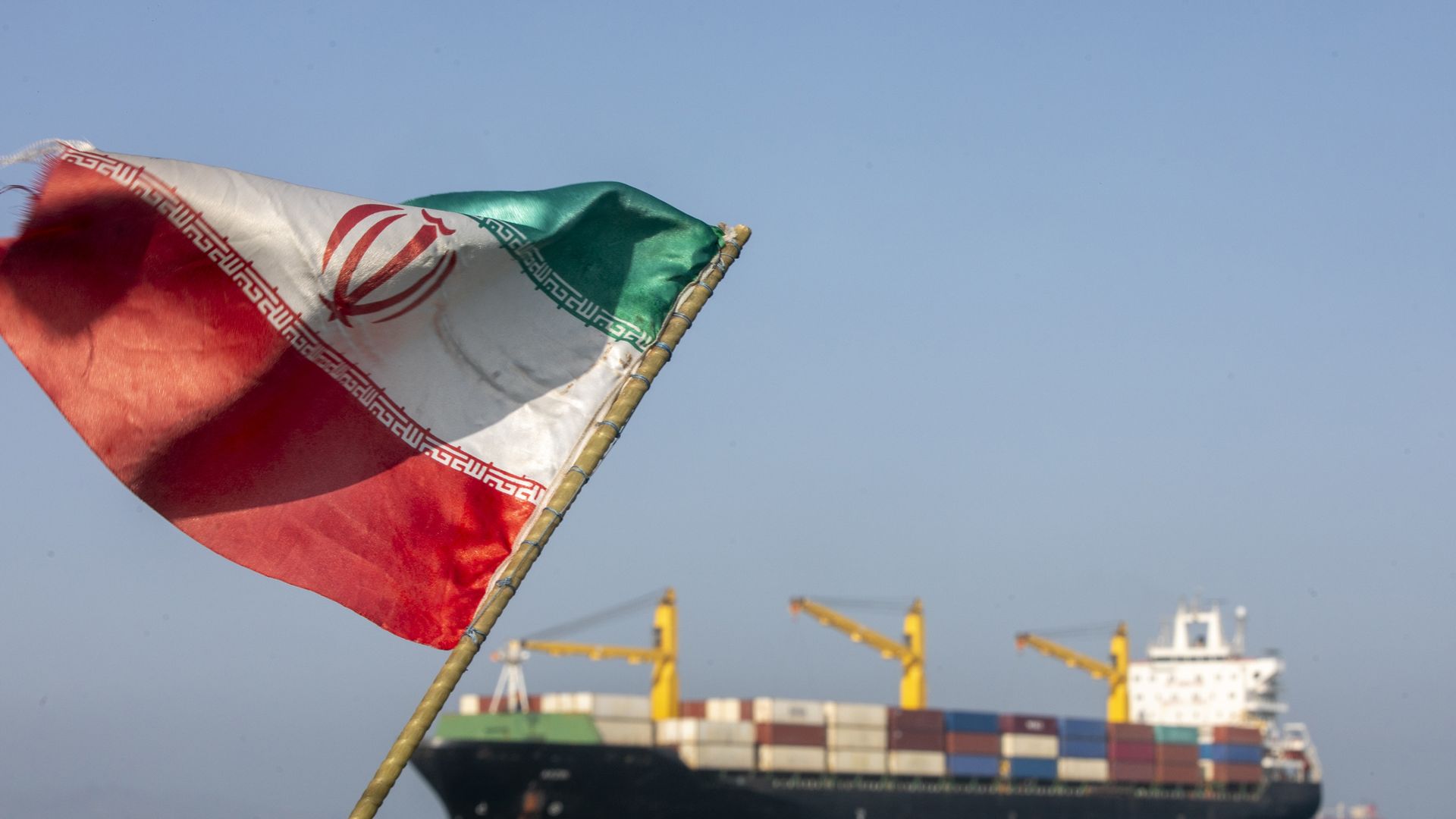
After 107 days of war, the United States and Iran said on Sunday that the fighting is over. Pakistan’s prime minister announced a deal to end hostilities, reopen the Strait of Hormuz and start a 60-day clock for negotiations over Iran’s nuclear program.
President Donald Trump confirmed it on Truth Social, declaring the agreement “now complete.” “I hereby fully authorize the toll free opening of the Strait of Hormuz, and, simultaneously herewith, authorize the immediate removal of the United States Naval blockade,” he wrote. “Ships of the World, start your engines.”
Pakistani Prime Minister Shehbaz Sharif, whose government mediated alongside Qatar, said on X that the two sides had “declared the immediate and permanent termination of military operations on all fronts, including in Lebanon.” According to Axios, the memorandum was signed electronically on Sunday, with a formal ceremony expected Friday in Switzerland. Iran, notably, had not confirmed that it considers the deal in force.
The most immediate effect is economic. The Strait of Hormuz carried roughly 20% of the world’s oil and liquefied natural gas before the war, and the blockade had sent energy markets reeling. Reopening it fully may take time: mine-clearing, infrastructure repairs and security guarantees stand between the announcement and a return to pre-war shipping. Trump said he was lifting the U.S. naval blockade at once.
The harder questions were pushed into the next two months. The deal gives Washington and Tehran 60 days to negotiate limits on Iran’s nuclear enrichment and the disposal of its stockpile of highly enriched uranium, with the United States committing to discuss sanctions relief and the release of frozen Iranian funds, tied to compliance. As others reported, that is a steep timeline given how hard the looser memorandum was to reach.
The final stretch showed how brittle the moment is. Israel struck Hezbollah targets in Beirut hours before the expected signing, briefly prompting Iranian threats to walk away, and the ceasefire now formally covers that front too. This is the resolution of a standoff that, only days ago, had the two sides openly contradicting each other over whether a deal even existed. It exists now, on paper. The next 60 days will test whether it holds.


