US Strikes Iran After Drone Hits Cargo Ship in Hormuz
Washington hit four Iranian targets hours after an IRGC drone damaged a Singapore-flagged ship, straining the 60-day truce meant to reopen Hormuz.
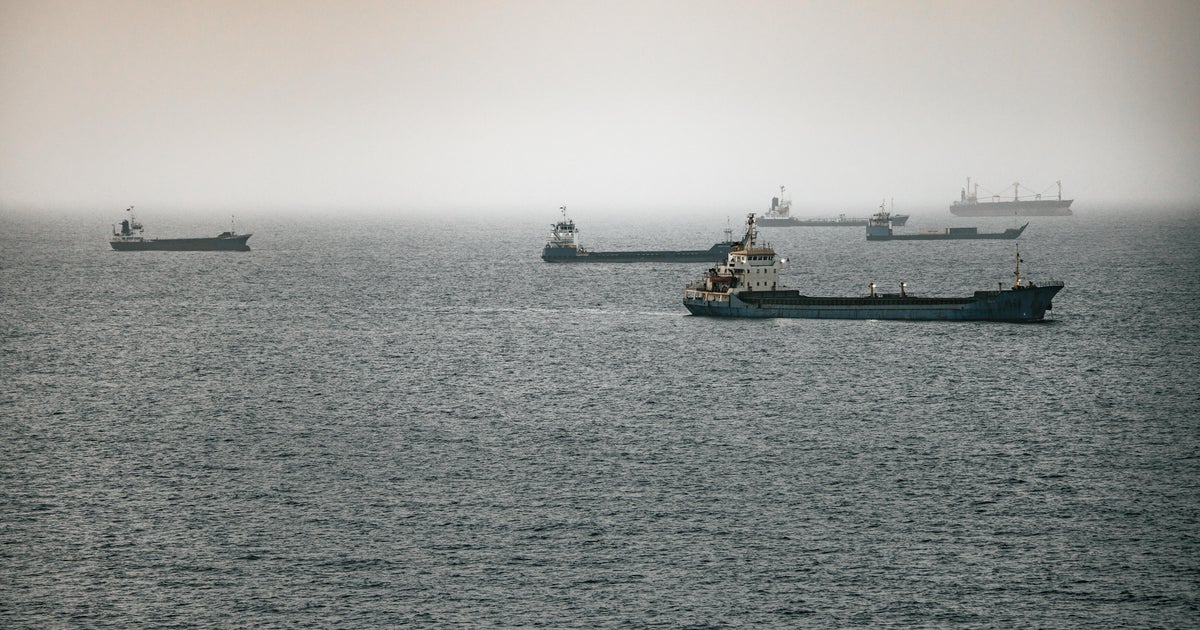
The United States struck Iranian military sites on Friday, hours after an Iranian drone tore into the bridge of a cargo ship in the Strait of Hormuz. It was the first American attack on Iran since the two governments agreed last week to keep a fragile ceasefire alive.
U.S. Central Command said its aircraft hit Iranian missile and drone storage facilities and radar installations, calling the operation a powerful response
to Iran's dangerous behavior.
A U.S. official told CBS News that six land-based aircraft struck four targets along the strait and on Iran's Qeshm Island, and that the strikes were over. Within hours, Iran's Islamic Revolutionary Guard Corps said it had targeted
American military positions across the region, according to Al Jazeera.
The vessel hit on Thursday was a Singapore-flagged cargo ship, struck by the IRGC off the coast of Oman. Its bridge was damaged, but there were no casualties and no environmental impact, the U.K. Maritime Trade Operations Centre reported. Soon afterward the United Nations' International Maritime Organization paused an effort to evacuate hundreds of ships and thousands of mariners still stranded in the Persian Gulf, saying the stricken vessel did not transit under IMO's evacuation framework.
President Trump called the drone strike a foolish violation
of the ceasefire, which the two countries extended for 60 days in a memorandum of understanding last week. Asked whether Iran would face consequences, he told reporters: You'll find out.
The deal was meant to settle the question that has haunted the waterway for months: who controls passage through it. Under its terms, Iran must arrange safe, toll-free transit through Hormuz for 60 days. In the days after Trump signed it, traffic surged and oil prices fell back toward pre-war levels. The detente was real, and brief.
The disagreement underneath it never actually closed. Washington favors a southern route that hugs the Omani coast; Tehran insists ships seek its permission and use a northern lane closer to Iran, and has not ruled out charging tolls once the 60-day window ends, an idea the U.S. and Gulf governments have called unacceptable. Iran's Persian Gulf Strait Authority warned on Thursday that any ship sailing outside its designated route would lose safe passage guarantees
and insurance cover.
Vice President JD Vance, who is helping lead the talks, set out the administration's line on social media.
Post by @JDVance
What hangs over the coming weeks is narrow but consequential. The same governments are due to negotiate over Iran's nuclear program through the summer, the most serious diplomacy since their war began. A ceasefire first reached in early April had survived months of tit-for-tat strikes without collapsing back into the month-long bombing campaign that preceded it, as the talks in Switzerland inched forward. Friday tested that pattern rather than breaking it.
For the merchant crews still anchored in the Gulf, the geography is unforgiving: one of the world's most important oil arteries, and every round of strikes pushes the evacuation they are waiting on further out of reach. The shooting stopped by Friday night. The argument over who owns the water did not.


