Why a New Book's "Birthday" Is a Contract, Not a Suggestion
Publishers enforce strict on-sale dates called embargoes for new books -- break one, and a bookstore risks fines, lost shipments, even a lawsuit.
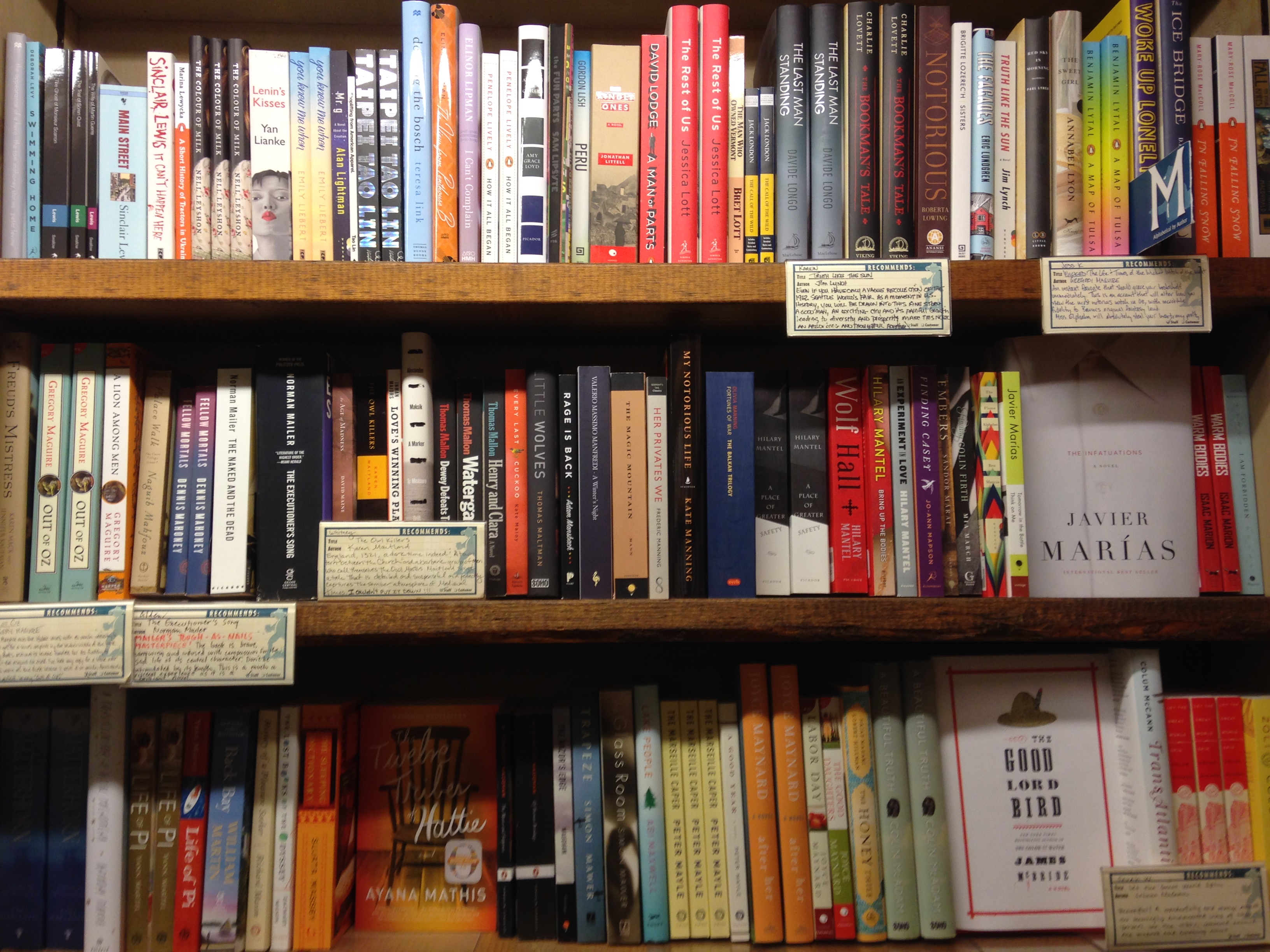
A cardboard box arrives at an independent bookstore two weeks before a novel is supposed to exist on shelves. Stamped across the flap, in block letters, is a warning: do not sell before the release date. The book is already in the building. The clerk cannot touch it.
That sticker is the visible edge of one of publishing's stranger customs: the street date, also called the on-sale date, the laydown date, or, in the industry's more sentimental corners, a book's "birthday." It is the single date every bookstore, warehouse and online retailer agrees to release a title for sale, no matter when the physical copies actually arrived on their loading dock.
The mechanics behind it are logistics, not mystique. Publishers ship stock to thousands of accounts on wildly different schedules — a national chain's regional warehouse might receive a title three weeks ahead of a single-location independent relying on a slower distributor. Without a shared release date, whoever gets the truck first gets the sales, the shelf talkers, and the bragging rights. According to Wikipedia's summary of the practice, shipments are marked with a "do not sell before release date" label, and retailers can receive stock up to three weeks in advance of the actual on-sale day.
What happens if a bookstore breaks the date
Breaking street is not a slap on the wrist. A retailer that sells early risks fines, the loss of early-shipment privileges on future titles, or a lawsuit from the publisher enforcing the contract. The classic cautionary tale predates ebooks entirely: when Warner Home Video set a March 25, 1997 street date for a batch of DVD titles, a handful of retailers sold copies a day early, on the 24th — and found out just how seriously "breaking street" gets taken.
Even A-list nonfiction isn't immune. Simon & Schuster had a strict embargo on Bob Woodward's "State of Denial" broken when a copy reached a New York Times reporter before the on-sale date — a leak serious enough that the publisher's head of corporate communications was still bristling about it years later in a Publishers Weekly report on the industry's on-sale date culture.
Independent booksellers, for their part, have complained for two decades that early reviews undercut the whole system. When Richard Ford's "The Lay of the Land" carried reviews in Newsweek and Time before its official on-sale date, frustrated shoppers showed up at stores that legally couldn't sell them a copy yet.
Diana Abbot, a bookseller quoted in the same report, put it more bluntly after watching a supermarket sell a new John Grisham novel ahead of schedule: enforceable street dates, she said, "can strike fear into the heart of an independent bookseller," even when nothing happens to the violator."For indies, early reviews... don't create anticipation, they create frustration."
Geoffrey Jennings, Rainy Day Books, quoted in Publishers Weekly
Why publishers bother at all
Two forces drive the discipline. The first is fairness among competitors — a coordinated release date means a small indie store isn't structurally disadvantaged by a slower supply chain than Amazon's. The second, and increasingly the bigger one, is money already spent elsewhere. Publishers frequently sell serialization rights to a newspaper or magazine for a substantial fee, letting that outlet run excerpts in the weeks before a book officially goes on sale. An embargo protects that investment: if anyone could buy the full book early, the serialization deal collapses, and publishers would find it much harder to sell that kind of exclusive next time.
There's also a numbers game tied to how the bestseller lists themselves work. The most-watched lists, including the one Daybreak Wire has previously explained, are built on sales tallied in fixed weekly windows, not lifetime totals. If a handful of stores sell a book a day or two early, some of those sales fall into the prior week's count instead of stacking with everyone else's — which can be the difference between a book cracking the list in its debut week and never showing up on it at all. A tight, universal on-sale date keeps all of a title's first-week sales in the same bucket.
Is every book actually embargoed?
No — and that's a source of its own confusion. Booksellers have long grumbled that publishers now slap on-sale stickers on backlist reprints and modest midlist titles that were never going to be an event. One bookseller, writing in a Publishers Weekly trade blog years ago, asked publishers directly whether a picture book about ducks really needed the same embargo treatment as the last Harry Potter. For blockbuster releases with paid serialization or a genuine race to be first, the discipline has an obvious purpose. For a reissue nobody is rushing to scoop, it mostly just means a box of books sits in a stockroom for two extra weeks.
It sits alongside other small mechanical oddities of how a physical book gets from a warehouse to a reader — the same category of trivia that explains why some paperbacks still ship with deliberately ragged page edges decades after the printing flaw that created the look became a design choice. The street date is less charming, more contractual, and enforced with real money on the line. But publishers still mark the occasion the way authors and readers do: with a hashtag, a bookstore display, and a public announcement the moment the clock runs out.
Post by @charlesbridge
That small ritual — "on sale today," repeated by publishers every week of the year — is the on-sale date doing exactly what it was built to do: making sure nobody gets to say it first.


