Australia Locks Down Poultry as a Second Seabird Tests Positive for H5
A second infected seabird put Australia's biggest chicken producer into lockdown. The number that matters, for now, is two.
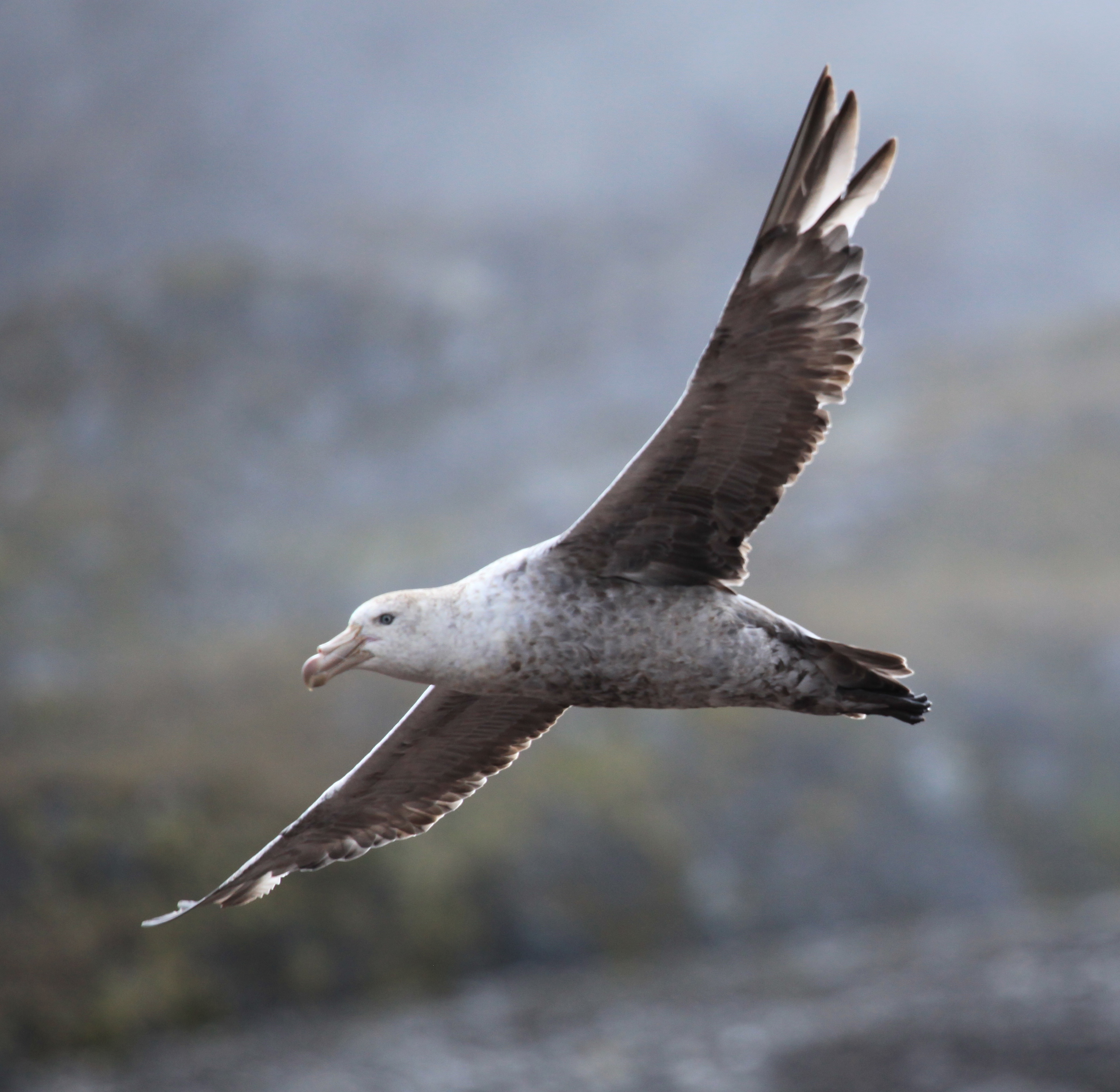
A second wild seabird in Western Australia has tested positive for the H5N1 strain of avian influenza, and the country's largest chicken producer has put all of its farms in the state into a complete lockdown. Before that sentence sets off alarm, here is the number that matters most: two. Two confirmed cases, both in wild birds, in one isolated stretch of coast.
The latest detection, confirmed by authorities on Monday, was in a northern giant petrel, found near the brown skua that became Australia's first H5 case last week. Agriculture Minister Julie Collins said there was no evidence yet of mass bird deaths. "We are working to determine whether or not the H5 bird flu has established in the wildlife or established in Australia, other than these two isolated birds," she told reporters.
That distinction is the whole story for now. A virus present in two seabirds is a surveillance question; a virus moving through flocks is an outbreak. Australia is the last continent the H5 strain had not reached, and the response is built around finding out which of those two situations it is facing.
For people, the practical risk remains low. The virus only rarely passes to humans, and then mainly through close contact with infected birds, which is why Environment Minister Murray Watt's advice was narrow and specific: avoid touching sick or dead birds, and report them. "It is important to remember that at this point in time we only have two confirmed cases," Watt said, before adding the caution that keeps officials awake: "we don't underplay the threat that this poses to wildlife and our agriculture sector."
Why a chicken giant moved first
The industry is not waiting for the science to resolve. Inghams Group, despite no detection in any commercial flock, locked down its Western Australian sites as a precaution. "This includes the implementation of a complete lockdown, preventing all non-essential access, across all the company's WA farms and processing operations," the company said. It is also asking the state for a regional housing order that would let free-range birds be kept indoors. Investors read the move as a warning sign: Inghams shares fell as much as 14% on Monday, according to Bloomberg.
The caution is informed by what has happened elsewhere. Chief Veterinary Officer Beth Cookson said Australia had spent years preparing as the only continent the strain had not reached, and the federal government has built more than 100 response plans and spent about $100 million getting ready. University of Melbourne researcher Michelle Wille was blunt about the stakes. "Everywhere this virus has emerged has been really catastrophic, with mass mortality events in wildlife," she said, noting that more than 200 million chickens have been culled in the United States since the strain arrived there.
So the worry is real, and the calm is also justified, and both can be true at once. What a reader in Perth should take from Monday is not panic but a short list: keep clear of sick birds, expect supermarket eggs and chicken to carry on as normal unless that changes, and watch for one specific signal. If the count moves past those two isolated petrels and skuas into a third population, or into a farm, the story changes. Until then, the lockdown is a country trying to keep a problem at two.