Hantavirus Quarantine Ends for 18 Cruise Passengers in Nebraska
The last of 18 Americans exposed to hantavirus on a cruise ship left a 42-day quarantine in Omaha, with federal officials reporting no sustained spread in the U.S.
Forty-two days after a cruise-ship outbreak sent them into isolation in Omaha, the last of 18 Americans exposed to hantavirus have walked out of quarantine. The monitoring period ended June 21, and federal health officials say no sustained spread of the virus has been found in the United States.
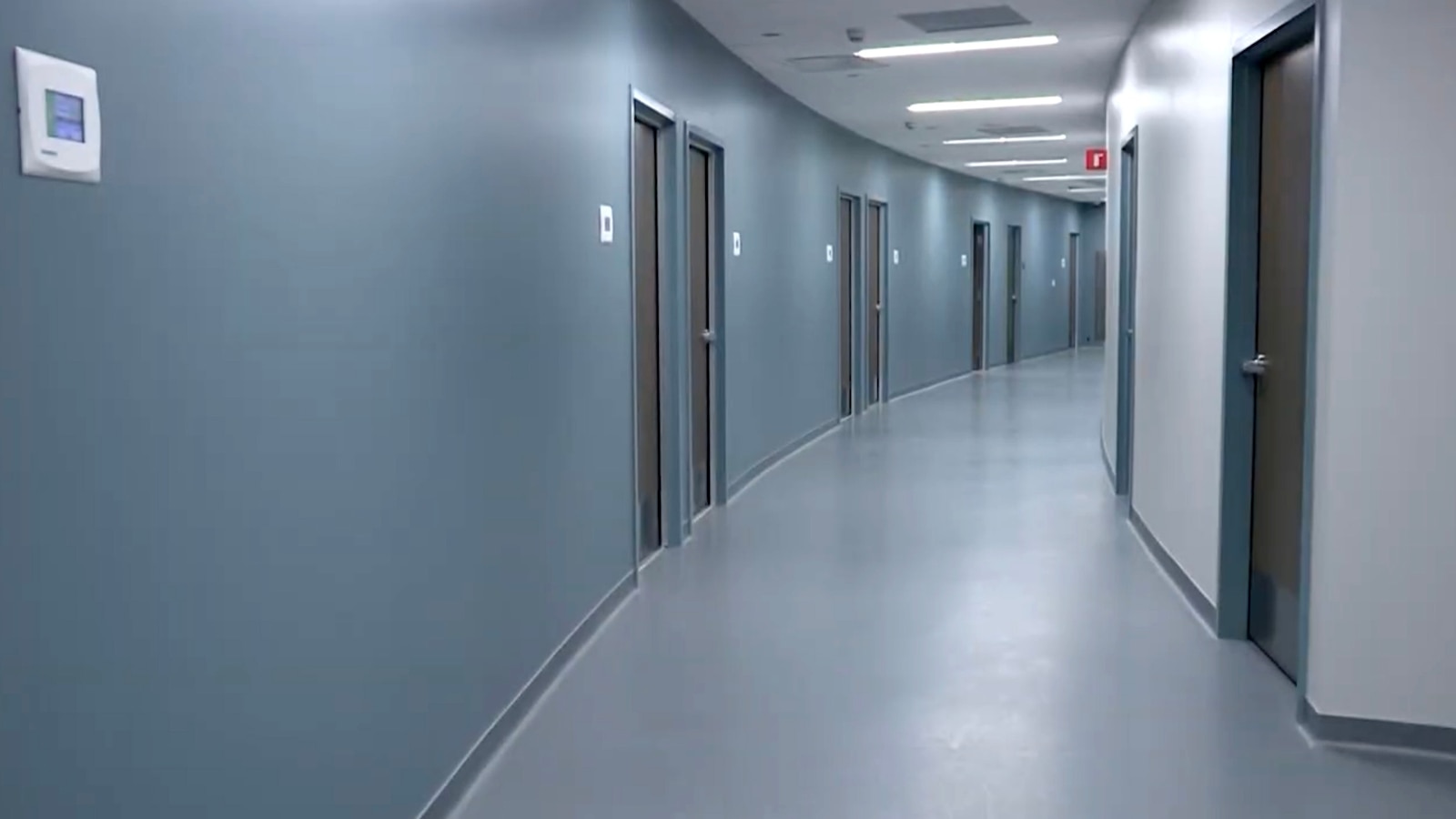
The passengers, who had been aboard the expedition ship MV Hondius, arrived at the University of Nebraska Medical Center on May 11. Six spent the full stretch inside the National Quarantine Unit, one of the few facilities of its kind in the country; the rest were released on a case-by-case basis as their home states confirmed they could keep monitoring them, the Department of Health and Human Services told ABC News.
It helps to be precise about the risk, because hantavirus rarely behaves this way. People almost always catch it from rodents and their droppings, not from one another; documented person-to-person transmission is confined to a single South American strain. That is why the central federal finding here is the reassuring one: no sustained transmission
of the virus has been identified, HHS said. The weeks of isolation reflected caution about an outbreak whose source and chain were still being worked out, not evidence that the illness was racing through the group.
The agency cast the outcome as vindication. Under the leadership of President Trump and Secretary Kennedy, this response demonstrated the effectiveness of coordinated public health action
, the HHS spokesperson said, crediting collaboration among federal, state and local partners. Independent of the politics, the operational facts are what reassure: a coordinated handoff, a clean monitoring window, and no second wave.
For the people inside, six weeks of masks and sealed rooms was its own ordeal. One passenger, Jake Rosmarin, posted an Instagram video of a countdown clock hitting zero, then himself in tears. I got to get fresh air without a mask on for the first time in 42 days
, he wrote, describing a tour of the facility and a dinner with the staff who had watched over the group, as detailed in the University of Nebraska Medical Center's account.
What stays unresolved is the rest of the picture beyond U.S. borders — how the cluster began at sea, and whether every overseas case has been traced. Nebraska's quarantine unit has now handled one of the highest-profile containment jobs in its history without a domestic spread, a quieter result than the headlines that opened the saga and a more useful one. It belongs alongside the network's other live disease watches, from bird flu's spread to the Ebola outbreak in Congo, where the same question always lingers after the all-clear: what did we not see in time?