NYC Investigates Legionnaires' Cluster on the Upper East Side
Two confirmed cases, no deaths, and a health department moving early: what New Yorkers need to know about the Legionnaires' cluster now under investigation on the Upper East Side.
Two cases. That's the entire confirmed count so far.
New York City's health department said Thursday it is investigating a likely cluster of Legionnaires' disease in the Carnegie Hill and Yorkville sections of the Upper East Side, after two people in ZIP codes 10028 and 10128 were diagnosed with the illness. Results on additional potential cases are still pending, and the department said Thursday that no deaths are linked to this cluster. Normally the city waits for three confirmed cases before declaring a cluster at all; officials said they moved early here to get ahead of it.
"As of now, we have two confirmed cases of Legionnaires' disease, and are working to rapidly confirm any other cases in the area. The Health Department has identified this cluster early and is launching an investigation to reduce the risk of additional cases."
Dr. Alister Martin, NYC Health Commissioner
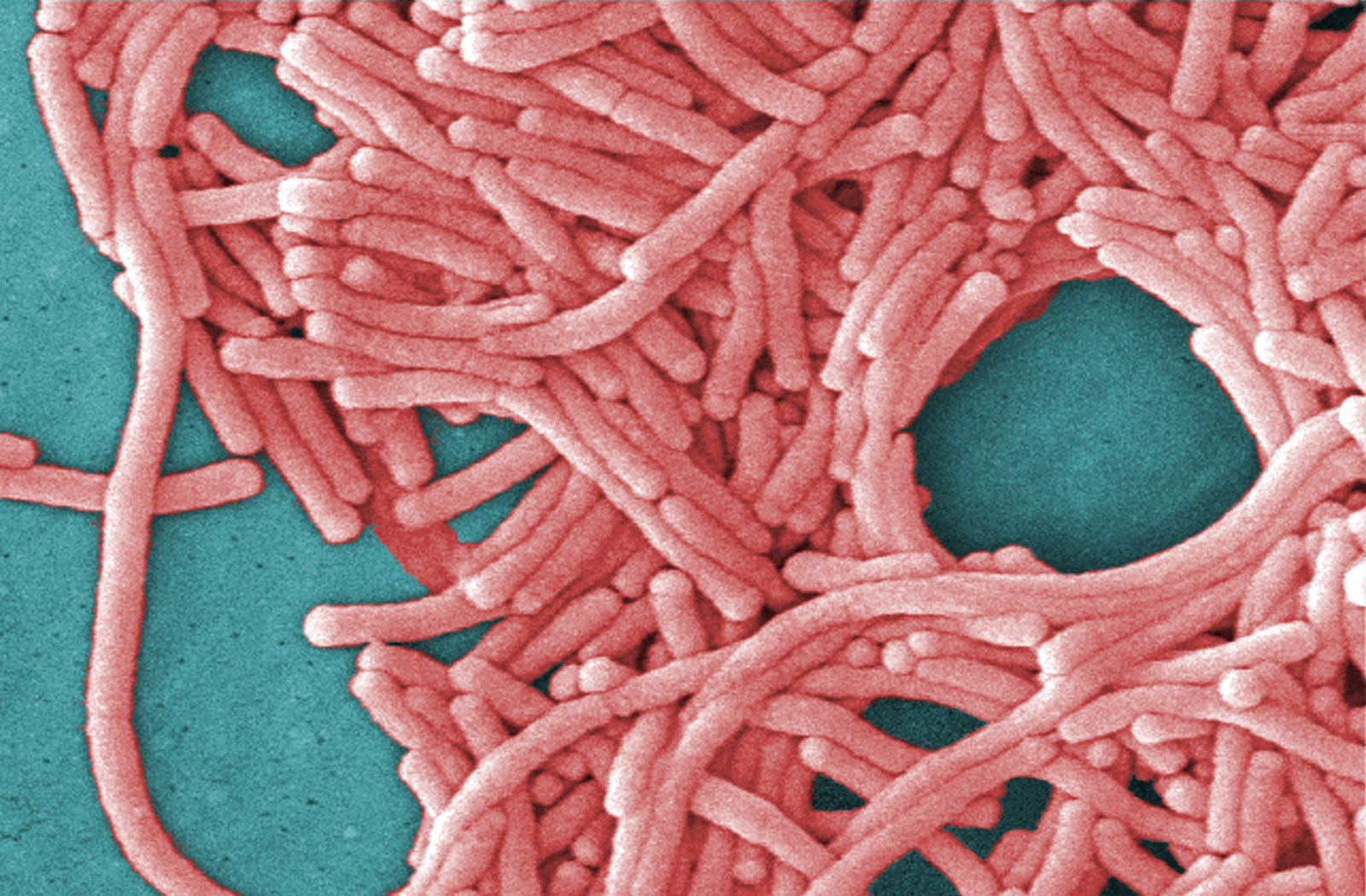
Legionnaires' disease is a form of pneumonia caused by Legionella bacteria, which grow in warm water and spread when people breathe in contaminated mist, most often from the cooling towers that sit on top of large buildings to help run air conditioning. It does not spread person to person. Caught early, it responds to antibiotics; the health department is testing water from every cooling tower in the affected zip codes and will order remediation on any that test positive.
The reassurance that matters most is a narrow one, and worth stating precisely rather than broadly: mist drifting from a rooftop cooling tower is an outdoor-air exposure. It does not reach a building's indoor air conditioning, its window units or its plumbing. The health department said it remains safe to run air conditioners, use cooling centers and city facilities, shower and drink tap water in the affected neighborhoods. The risk is airborne mist from a specific class of equipment, not the water supply.
Risk isn't evenly distributed, either. People 50 and older, smokers, and anyone with chronic lung disease or a weakened immune system face materially higher odds of severe illness, Martin said, and should treat fever, cough or breathing trouble as reason to see a doctor rather than wait it out, particularly if they have lived, worked or spent time in Carnegie Hill or Yorkville since late June. For everyone else, symptoms are the trigger for testing, not the zip code alone.
A health alert has gone out to providers across the city, instructing them to consider Legionnaires' disease in anyone presenting with compatible symptoms, and door-to-door outreach in the affected blocks is scheduled to begin this weekend. Two confirmed cases is a small number by design: early clusters almost always start that way, and the investigation now underway exists specifically to keep it from becoming a larger one.