Trump Cancels Housing Bill Signing, Tying It to His Voting Law
The most sweeping housing bill in decades cleared Congress with veto-proof majorities. Then the president attached a condition no one had agreed to.
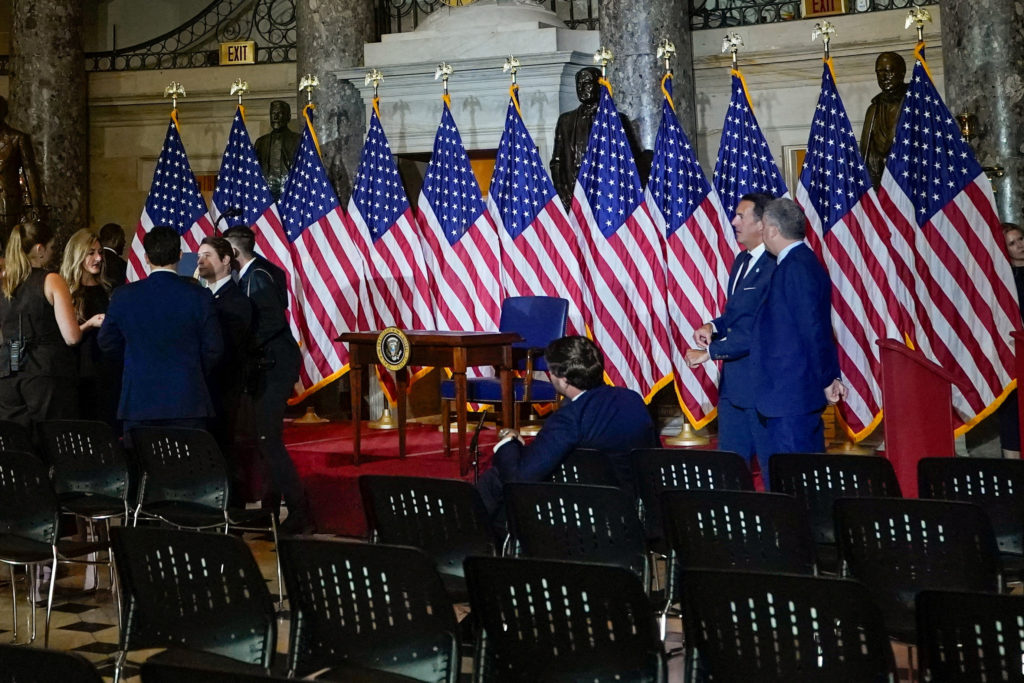
President Donald Trump called off Wednesday's White House ceremony to sign the most far-reaching housing bill in a generation, and in the same breath set a price for his signature: Congress must first pass an unrelated voting law that his own party says it lacks the votes to move.
The measure left in limbo is the 21st Century ROAD to Housing Act, which cleared the House 358-32 and the Senate 85-5. Those are veto-proof margins, a detail that frames everything about what the president did and did not actually do.
"Today's Housing News Conference and Signing is hereby cancelled until such time as we pass the desperately needed SAVE AMERICA ACT, which I consider to be a National Emergency," Trump wrote on Truth Social, capitalizing the demand.
The bill itself is the rare Washington product with buy-in from both parties. It carries no new federal spending. Instead it tries to pull down housing costs by making it cheaper and easier to build, and by limiting how many single-family homes large institutional investors can buy. The timing of Trump's post made the split-screen unavoidable: House Republican leaders were at a microphone praising the legislation when word of the cancellation reached them.
"Really important bill to lower housing costs," House Majority Leader Steve Scalise had just said. Financial Services Committee Chairman French Hill went further, calling it proof "of what legislating looks like" and a bill built "on a bicameral basis." Minutes later, reporters were asking them why the president had walked away from it.
What Trump wants in exchange is the SAVE America Act, a measure that would impose proof-of-citizenship and voter-identification requirements on federal elections across all 50 states. He has pressed Republicans for months to pass it, and has urged the Senate to scrap the filibuster to get it through. Republican leaders say the votes are not there, given uniform Democratic opposition and a reluctance within their own ranks to end the filibuster. Democrats call the bill a form of voter suppression.
House Speaker Mike Johnson tried to lower the temperature, telling reporters he had spoken with Trump and expected him to sign. "When we go through the details of the bill, he's going to understand that it's a good product," Johnson said.
The senator who helped write the housing measure was less diplomatic. "This just doesn't make any sense," Senator Elizabeth Warren said on CNBC, arguing the only read she could draw was "a complete indifference to the cost squeeze on American families."
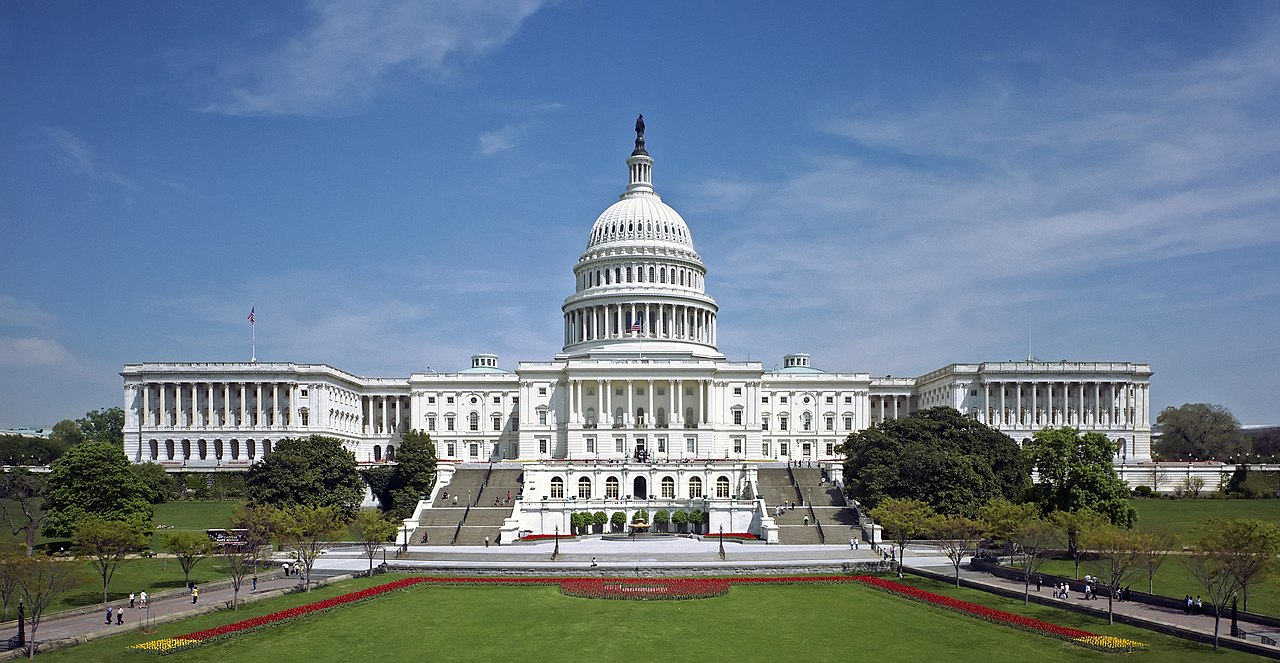
The procedural reality cuts against the drama. A bill with veto-proof support does not need the ceremony, and a pocket veto is not available once Congress has acted by these margins. The leverage Trump is reaching for runs the other way: he is staking a popular, finished housing law on a voting bill that has gone nowhere, and daring his party to choose. Whether that pressure produces a single new vote for the SAVE Act, or simply delays a bill most members already wanted to celebrate, is the question hanging over the Capitol as members head toward the weekend. The housing law passed the Senate by the same lopsided count it did when the chamber sent it forward earlier this week; the only thing that has changed is the signature line.
For now the bill sits unsigned on a desk it already had veto-proof permission to leave.