Why Baseball's 'Ghost Runner' Vanishes Every October
MLB's automatic extra-innings runner disappears the moment the regular season ends. The league's reasoning splits fans down the middle.
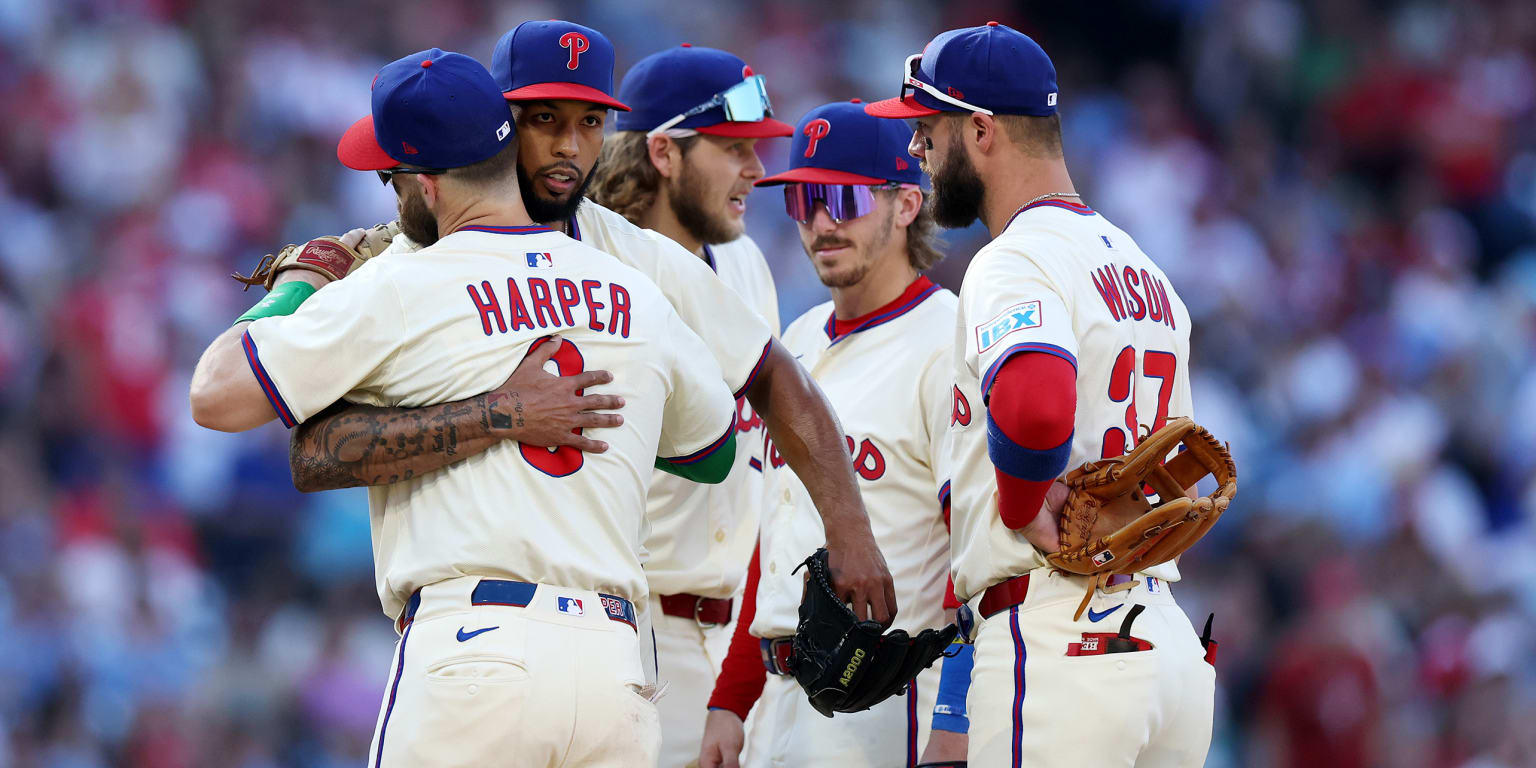
Nobody on. Nobody out. Top of the 10th. That is not how extra innings work in Major League Baseball — except for three weeks every fall, when it is exactly how extra innings work.
Since 2023, every regular-season game that reaches the 10th inning has started that half-inning with a runner standing on second base, free of charge. Players call it the "ghost runner," though the rulebook calls it the automatic runner. Either way, it disappears the moment the calendar turns to the postseason. This October, in the Wild Card round and everything after it, baseball plays by its original rules: bases empty, same as innings one through nine.
That split has quietly become one of the more contentious details in the modern game. MLB introduced the automatic runner as a pandemic-era experiment during the shortened 2020 season, originally to protect pitching staffs and ease scheduling strain. The league and the players' union kept it after games noticeably sped up and bullpens survived the summer in better shape. By 2023, both sides made it permanent for the regular season — and left it off the postseason rulebook entirely.
The mechanics are simple. MLB.com's own rules explainer describes it plainly: during the regular season, "both teams start each extra inning with a runner on second base when they come to bat, beginning with the top of the 10th." The runner is whoever made the last out of the previous inning, or a pinch-runner standing in for him — already 180 feet from home, with nobody out and a full lineup left to bring him in.
Take that same at-bat into October and the runner is gone. "In the postseason, there is NO automatic runner starting on second base in extra innings," the league states. Teams play it straight: bases empty at the start of the 10th, just like the first nine.
MLB has never published a detailed rationale for the split, but the shape of the rule gives it away. An automatic runner in scoring position turns extra innings into something that can end on one sacrifice bunt and one fly ball, without a bat ever actually finding a hit. That trade-off is tolerable across a 162-game season built to protect arms. It is a harder sell when a trip to the World Series is decided the same way.
For a fan watching a Tuesday game in June, the difference barely registers. For a manager running a title chase in a win-or-go-home series, it changes the math on nearly every call. A bunt that looks automatic in the regular season — advance the free runner, take the near-certain run — becomes a real decision in October, when that runner has to be earned with an actual hit or walk first. A reliever who might face one batter in a ghost-runner jam in July can be asked to escape a bases-empty inning built entirely from scratch in a Division Series game.
Two other October-only differences ride along with it, and both cut the opposite way — toward giving players more tools, not fewer:
| Rule | Regular season | Postseason |
|---|---|---|
| Extra-innings runner | Automatic runner on second, nobody out | Bases empty, same as innings 1–9 |
| Manager challenges | One per game | Two per game |
| Pitch timer | 15 seconds, bases empty; 18 seconds, runners on | Unchanged from the regular season |
So October baseball isn't simply "the regular season with higher stakes." It's a version of the sport with a second extra replay challenge, an unchanged pitch clock, and one specific strategic shortcut removed. Daybreak Wire looked at another piece of October's different math recently — whether the first-round playoff bye actually helps the teams that earn it — and the pattern is similar: the rules that govern the regular season grind are rarely the ones MLB trusts with a championship on the line.
With the Rays having pushed the Yankees to the brink of elimination in this year's ALDS, every half-inning left this postseason carries full weight. If any remaining series goes long, some manager is going to have to manufacture a run the hard way — nine outs at a time, with nothing handed to him for free.