Why Your Check Engine Light Comes On After You Fill Up
The check engine light that flips on right after a fill-up is rarely the engine. It's usually a seal the size of a soda-bottle cap.
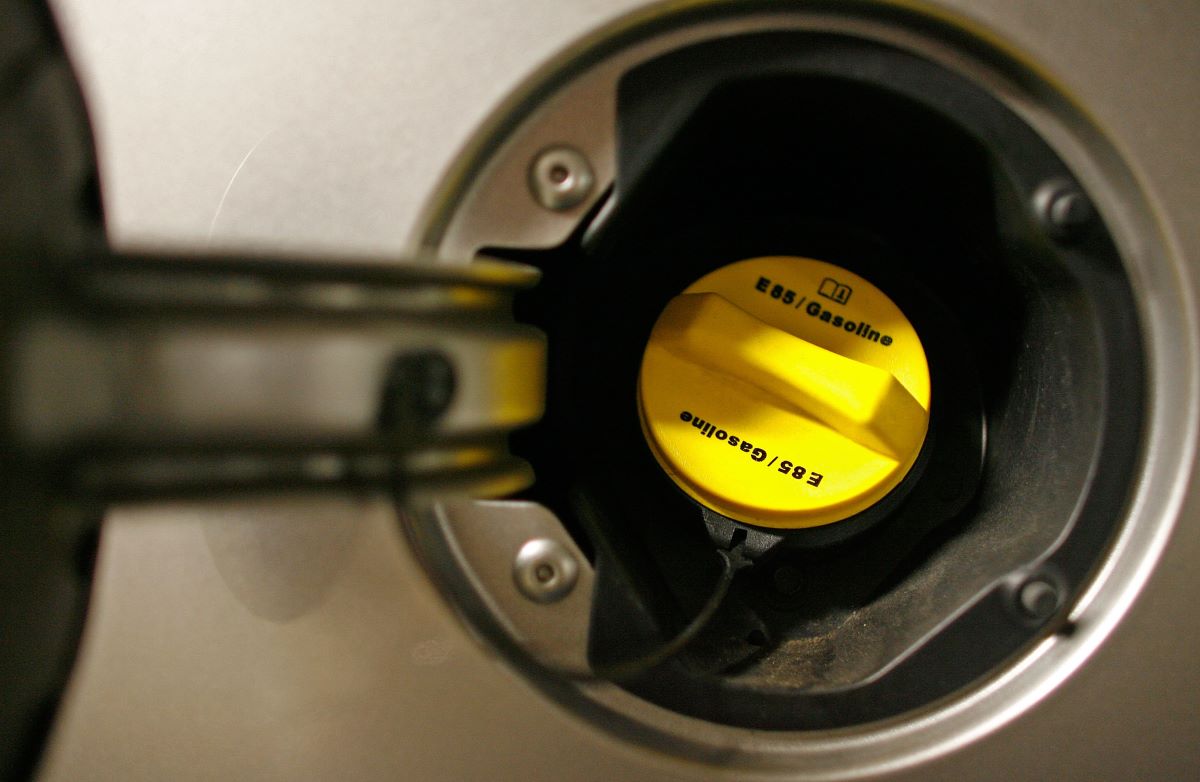
The dashboard light that ruins a fill-up almost never means what drivers fear it means. In a large share of cases, the check-engine warning that blinks on right after the pump clicks off traces back to a part that costs less than a tank of gas: the cap.
Modern cars run a sealed system that tracks fuel vapor the way a diver tracks air in a tank. A gas cap that's loose, cracked, or just slightly off its threads breaks that seal — and the car's computer is built to notice almost immediately.
Every car built after 1996 carries some version of an evaporative emissions control system, or EVAP, whose entire job is keeping fuel vapor out of the air instead of letting it drift out of the tank. MotorBiscuit explains that cars built after 1999 run an "enhanced" version of that system, which performs regular self-tests for vapor leaks through the engine's powertrain control module, or PCM. The gas cap sits under constant watch as part of that loop. If the PCM detects a pressure mismatch — the signature of air leaking in where vapor should be sealed — it logs a fault code and lights the dashboard.
The codes it logs are specific enough to be a tell on their own. MotorBiscuit lists two of the most common: "P0455 Evaporative Emission System Leak Detected (large leak)" and "P0457 Evaporative Emission System Leak Detected (fuel cap loose/off)." AutoZone's own repair guide adds P0456 to that list and notes a damaged cap can also produce a raw-gasoline smell near the fuel door and a drop in fuel economy — escaping vapor is, in effect, gas already paid for and never used.
AutoZone puts the average cost of a replacement cap at around $25 — cheap, if the diagnosis actually lands on the cap. The harder part is the diagnosis itself: a loose cap throws the same code family as a cracked EVAP hose, a failing purge valve, or a bad charcoal canister, and the dashboard light gives no hint which one it is. Drivers either assume the worst and pay a shop's diagnostic fee to be told it was the cap, or assume it's the cap and keep driving on an actual leak somewhere else.
There's a cheaper first move before either of those. Pop the fuel door, inspect the cap for cracks or a worn gasket, and reseat it until it clicks — most caps are built to click audibly once fully sealed. If a loose cap was the entire problem, the light typically clears on its own once the car's computer reruns its leak check.
It won't vanish the moment the cap clicks shut, though.
The EVAP monitor needs specific conditions — a certain fuel level, engine temperature and idle time — to rerun its test, so the light often survives two or three normal drives even after the actual problem is fixed. Scanning the code and clearing it manually will shut the light off instantly, but if the underlying leak wasn't actually fixed, the code comes right back within a few trips.
A few signs mean the problem has moved past the cap. A visibly torn seal, a cap that won't click into place at all, or a check-engine light paired with a sulfur or raw-fuel smell each point somewhere else in the EVAP system. AutoZone calls a fuel fire traced to a bad cap "a rare occurrence," and notes the far more common cost is mundane: a few dollars of wasted gas every week the leak goes unfixed.
It's one of several dashboard quirks that get more common as the weather turns. Daybreak Wire looked at a related one recently — why the tire-pressure warning tends to flare up on the season's first cold mornings — a different sensor, same instinct to assume the worst before checking the simple thing first.
The $25 fix only works if the cap is actually the problem. Tighten it, note the date, and watch the light instead of guessing. If it survives a few full drive cycles without the lamp coming back, the cap did its job — which is more credit than most sensors in a modern dashboard ever get.