Why Allergies Hit Harder After Dark
The sneezing that waits until you're in bed has a real mechanism behind it — three of them, actually, and they compound.
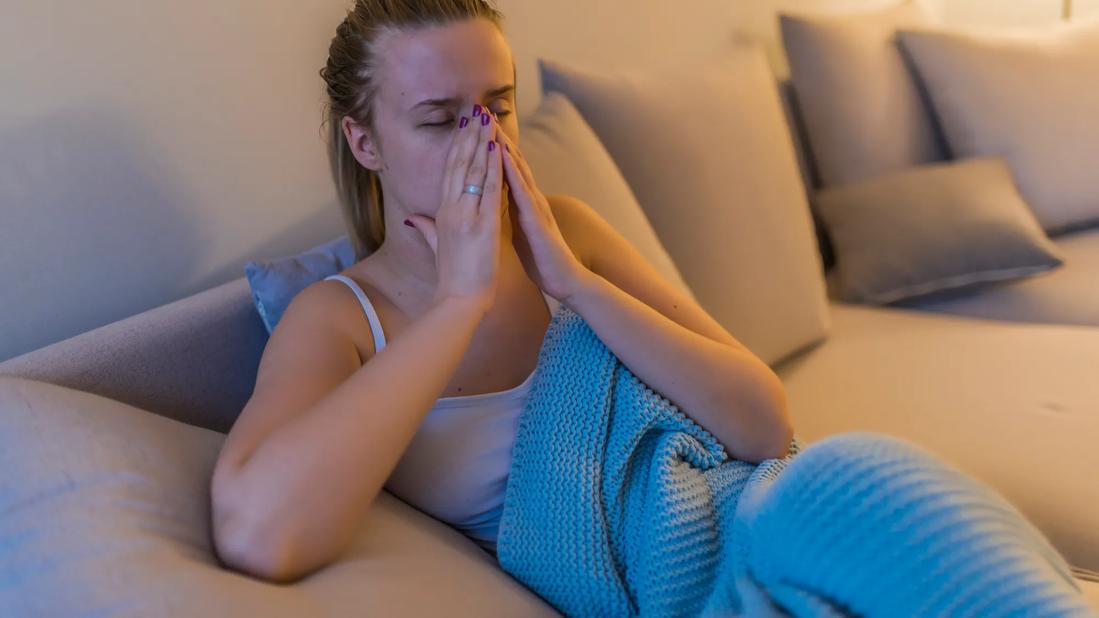
The itching starts the second the lights go off. Antihistamines handled it fine at noon. By 11 p.m., lying flat in bed, the same allergies that were manageable all day suddenly feel like a cold coming on — and for a lot of people with seasonal or indoor allergies, that's not imagination. It's measurable.
Doctors who treat allergies point to three separate mechanisms that stack on top of each other after dark: where allergens physically are, what gravity does to a reclined body, and what the immune system itself does on its own clock. None of them are mysterious once someone knows to look for them.
Dr. Sandra Hong, an allergist at Cleveland Clinic, says the simplest explanation is exposure timing. "During the day, we're typically inside — we're working or going to school — so allergies don't tend to be as much of a problem then," Hong says. The trouble starts on the way home. Anyone sensitive to pollen or ragweed who goes for an evening run or mows the lawn is walking face-first into the day's heaviest allergen load, right before trying to fall asleep.
The bedroom itself does the rest of the damage. Dust mites and pet dander concentrate in pillows, mattresses and carpet, and whatever pollen clung to a person's hair and skin during the day comes inside with them. "Allergens can get in your hair and on your pillow. When you flip over, they get on your face and in your eyes," Hong explains. Lying down adds a mechanical problem on top of the exposure problem: mucus that drained normally while upright pools in the sinuses once gravity stops helping, triggering the post-nasal drip that turns into coughing and a sore throat.
The third factor is internal rather than environmental. Medical News Today reports that the body's circadian rhythm — its internal clock — directly influences how aggressively the immune system responds to allergens, with symptoms peaking at night due to natural fluctuations in that immune activity. In practice, that can mean the same pollen exposure produces a milder reaction at 2 p.m. and a worse one at 2 a.m., independent of anything a person did differently that evening.
Not everyone's allergies follow that clock to the same degree, and allergists are quick to flag the variation rather than paper over it. The Asthma and Allergy Foundation of America's Ask the Allergist program notes that outdoor pollen counts themselves can run higher overnight and into early morning in some regions — compounding the body's own nighttime sensitivity rather than acting alone.
The fixes allergists recommend are unglamorous and consistent across sources:
- Shower, or at minimum wash the face, before bed to remove the day's pollen load
- Keep bedroom windows closed overnight during allergy season
- Elevate the head slightly so gravity assists sinus drainage instead of working against it
- Wash bedding weekly in hot water and keep pets off the bed
Hong specifically recommends washing the face at night, not just the hands, since pollen collects in eyelashes and eyebrows over the course of a day and transfers straight into the eyes on the pillow.
None of that requires a prescription to try, and most people notice a difference within a few nights. Over-the-counter antihistamines can help in the meantime, though they treat the symptom rather than the three mechanisms driving it. The point to see a specialist is when symptoms persist despite the basics, or when they're disruptive enough to regularly cost sleep — at which point allergy testing can identify the specific trigger instead of leaving someone guessing between pollen, dust mites and pet dander.
It's a companion problem to one Daybreak Wire covered earlier this month: why ragweed season leaves people exhausted even on a full eight hours of sleep. Daytime fatigue and nighttime flare-ups, it turns out, often share the same root cause.
The reason the itching waits for lights-out isn't bad luck, or a worse allergy than the one that showed up at noon. It's the same allergy, running into gravity, a dirtier pillow, and a body that's chemically primed to notice it more right when there's nothing left to do but lie there.