Elections

Serbia Needs 126 of 250 Seats for a Government, Not 50% of the Vote
A list can win a majority with under half the vote, or fall short with 45%. The rules on the threshold, the seats and the clock decide who governs Serbia.

Nine States, One Citizen Test: What the DHS Door-Knocking Order Covers
A federal judge's preliminary injunction limits DHS field interviews likely to reach U.S. citizens in nine states through Nov. 3, but it is stayed until 5 p.m. Friday and leaves lawful investigations open.

Option 2 Is a Process, Not Secession: What Alberta's Ballot Would Trigger
Polls open at 9 a.m. in Edmonton on Monday, Oct. 19, and no result exists yet. The separation question asks only whether to start a legal process, and it is the four constitutional questions on the same ballot that bind the government by statute.

DOJ Suit Targets 20,000 California Voters but Doesn't Allege One Voted
The 15-page complaint asks a federal judge to order California to hold mail ballots on a list state and county officials say they could not review, with no verification process and no end date, as counting runs to Dec. 3 and certification to Dec. 11.
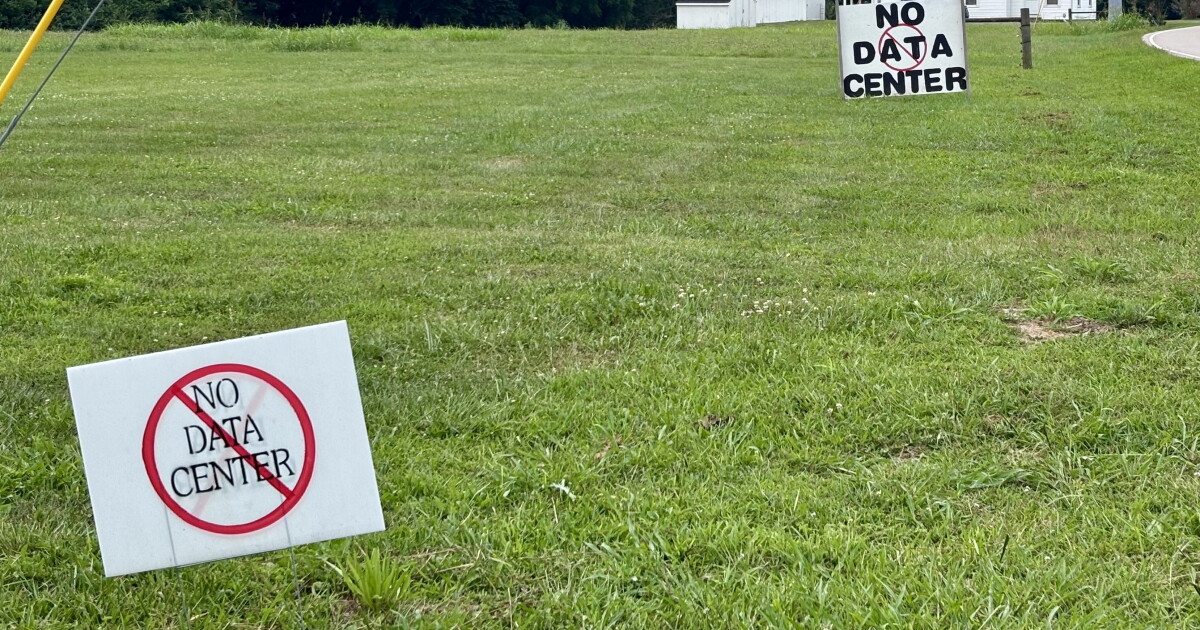
Trump vs. His Own Candidates on Data Centers: Follow the Power Bills
PJM's market monitor ties $29.4 billion in capacity costs to data centers, and several battlegrounds on its grid saw some of this year's sharpest home power price increases. No candidate's fix touches costs locked in through May 2028.

28% of the Vote, 59 Seats: How First-Past-the-Post Built Quebec's PQ Win
Quebec's Parti Québécois won 59 of 127 seats with 28.02% of the vote, a record-low share for a governing party, yet 2022 was the more distorted election. The riding arithmetic shows how close the PQ came to a majority and what the seat count does and does not say about reform and independence.

Why Virginia and New Jersey Elect Their Governors in Odd Years
Virginia, New Jersey, Kentucky, Louisiana and Mississippi elect governors on a calendar built, in part, to keep the electorate smaller. It still does.