Seoul market halts trading as Apple price hikes deepen AI selloff
A 20-minute trading halt in Seoul, Apple down 6% in New York, and a wobble under the AI trade that has carried Asian markets all year.
The Korea Exchange stopped trading for 20 minutes on Friday morning. That is what a circuit breaker does when a market falls too far too fast, and the benchmark KOSPI index had dropped more than 8% before the halt kicked in.
It was the third such suspension in Seoul this week, and the fifth this year. Strip away the machinery and the message underneath is simple: the artificial-intelligence trade that has powered Asian stock markets through 2026 just had its confidence tested, and it flinched.
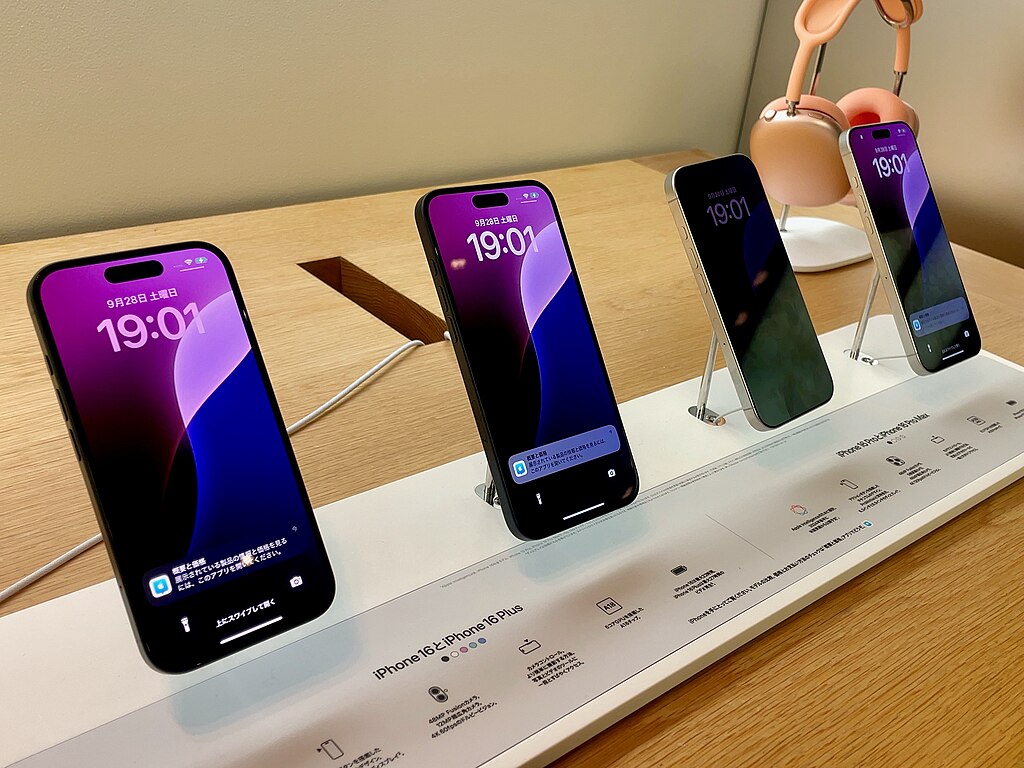
Two things lit the fuse, one ordinary and one not. The ordinary one was a price tag. Apple told customers it was raising prices on several products, blaming the rising cost of memory chips, and its shares fell roughly 6% on Wall Street the day before. Reporting on the move indicated iPhone prices would hold while iPads and MacBooks climb, because the company can no longer absorb what AI-driven demand has done to the cost of memory and storage.
Here is why that lands harder than a normal product announcement. Apple is the single biggest customer many component makers have. When it says memory has gotten expensive enough to pass on to shoppers, the worry isn't really about a pricier laptop. It's that dearer chips eventually cool the spending that the whole rally is priced for.
The less ordinary spark came from a New York Times report, cited across Friday's trading, that OpenAI may push its long-anticipated public listing into 2027. A delayed IPO is not a collapse. But it nudged investors to ask what the AI names are actually worth, and that question is poison for stocks priced for permanent acceleration.
The damage concentrated where the gains had. Samsung Electronics and SK Hynix, the two memory giants that have done most to lift the index this year, each lost more than 9% on the session. Because their swollen market values now carry so much weight in the KOSPI, their bad days are the index's bad days. Samsung fell even as it reportedly prepares to announce spending of more than 1,000 trillion won, about $646 billion, on chipmaking over the next decade.
Context matters for anyone tempted to read panic into the tape. This is the same index that surged more than 5% earlier in the week on strong memory-chip earnings. Volatility this violent in both directions is itself the story: South Korea's financial watchdog has warned that leveraged exchange-traded funds tied to Samsung and SK Hynix, approved only last month, may be amplifying the swings.
It also doesn't sit in isolation. Seoul's halt follows the broader chip selloff that rattled the KOSPI and Nasdaq earlier this week, and a hawkish turn from the U.S. Federal Reserve that has made richly valued tech harder to justify. For households watching pension balances built on these names, the lesson is the one that always returns when a single sector carries a whole market: the ride up and the ride down use the same road.